Sign up now! Third Annual Flu Shot Clinic at the HS/HSL

Image of a torso and arm getting a flu shot.It’s more important than ever to protect yourselves, your families, friends, and colleagues this flu season! Flu shots will be available (by appointment only) to UMB faculty, staff and students* on Tuesday, Oct. 13 from Noon to 4:00 pm and on Wednesday, Oct. 14 from 9:00 am to 1:00 pm in the Weise Gallery on the first floor of the Library.  

To schedule an appointment and find more detailed information on our COVID-19 guidelines and requirements, please click HERE. All safety protocols associated with campus COVID-19 policies will be followed at this clinic.  Anyone attending the flu clinic must have received a negative test in the past and should fill out the S.A.F.E. form. A mask, insurance card and a photo ID are required at the time of service.

*NOTE: Walgreens is unable to accept Amerigroup and United Healthcare insurances and will not accept cash payments. Students with these insurance plans and those who are unable to attend this flu clinic should make an appointment with Campus Health Services to schedule a flu shot.

This annual flu clinic is provided by Walgreens in collaboration with the School of Pharmacy and the HS/HSL.

Posted in Events, Faculty, Pharmacy, Students | Tagged , , , | Comments Off on Sign up now! Third Annual Flu Shot Clinic at the HS/HSL

1920: A look back at the School of Medicine 100 Years Ago

The Health Sciences and Human Services Library Historical Collections’ strives to provide broad access to our diverse collections both in person and digitally. Materials in our collections appear as they originally were published or created and may contain offensive or inappropriate language or images and may be offensive to users. The University of Maryland, Baltimore does not endorse the views expressed in these materials. Materials should be viewed in the context in which they were created.

In 1920 the School of Medicine (SOM) was beginning its 113th academic year.  The 1920-21 academic year marked the first as a public institution following its merger with the Maryland State College of Agriculture (College Park).  This merger prompted the Faculty of Physic, as the SOM faculty was known, to tender their resignation as sign of acceptance of the new University charter. 
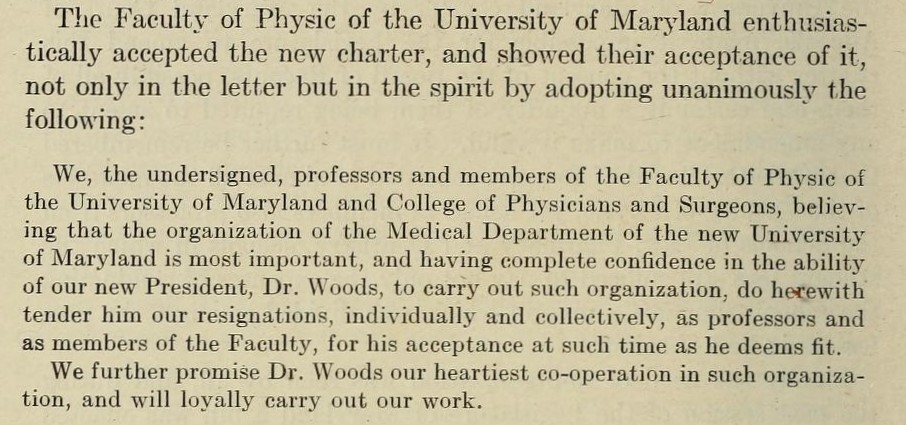
Text of the Faculty of Physic Resignation, 1920

Faculty of Physic resignation following the merger of the University of Maryland with the Maryland State College of Agriculture in 1920. From article by Dr. Gordon Wilson in the Bulletin of the University of Maryland School of Medicine, December 1920.

Mergers had become common in the SOM in the 1910s, in 1913 the school had merged with the Baltimore Medical College and in 1915 with The College of Physicians and Surgeons.  These mergers provided access to a larger number of clinical facilities, hospitals, equipment, and faculty than had previously been available to the University of Maryland SOM.  The school operated under the name, University of Maryland School of Medicine and College of Physicians and Surgeons and was led by dean, Dr. James M. H. Rowland.
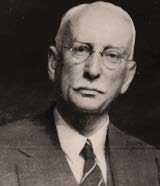
Photograph of Dean Rowland.

Dr. James M.H. Rowland, Dean of the School of Medicine 1917-1940. Image from Centuries of Leadership: Deans of the University of Maryland School of Medicine.

Dr. Rowland graduated from the SOM in 1892 and became professor of obstetrics in 1915. He soon became dean (1917) and held the position until 1940.  In addition to his work as dean, Dr. Rowland was passionate about supporting women through obstetrical care and was instrumental in establishing laws to protect Baltimore mothers.  Through his legal work and the establishment of hospital obstetrics programs in the city infant and maternal mortality decreased.

As a result of the mergers in the 1910s, the SOM during the academic year 1920-21 had affiliations with 15 hospitals in and around Baltimore City.  These institutions provided students learning opportunities as well as access to patients and instructors from around the city.  These institutions included:

  • University Hospital
  • Mercy Hospital
  • Maryland General Hospital
  • Franklin Square Hospital
  • Maternity Hospital of the University of Maryland
  • Maryland Lying-in Hospital
  • West End Maternity
  • Municipal Hospitals (Baltimore City Hospitals, Bay View)
  • Presbyterian Eye, Ear and Throat Charity Hospital
  • James Lawrence Kernan Hospital and Industrial School of Maryland for Crippled Children
  • Elizabeth Home of Baltimore City for Colored Children
  • Vincent’s Infant Asylum
  • Sheppard and Enoch Pratt Hospital
  • Mount Hope Retreat for the Insane
  • Nursery and Child’s Hospital of Baltimore City
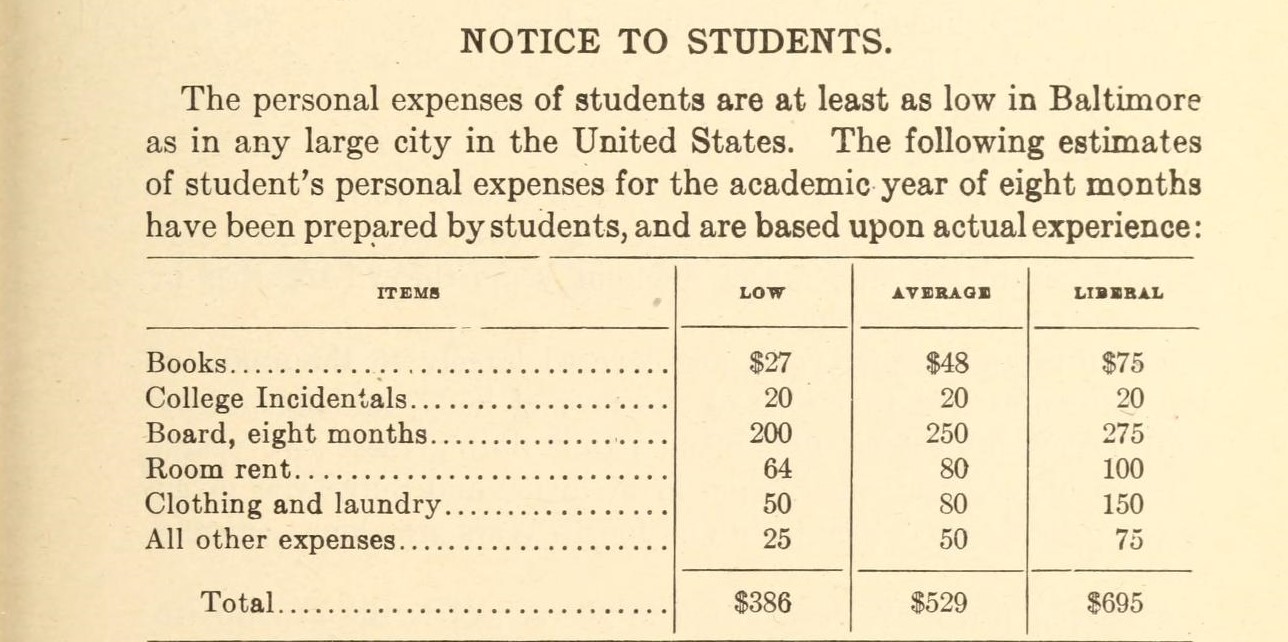
Chart of estimated student living expenses, 1920

The estimated cost of attendance for incoming students to the School of Medicine for the academic year 1920-21. Image from the Bulletin of the University of Maryland School of Medicine, July 1920.

As the above chart indicates, the cost of living for students in Baltimore in 1920 were drastically different from those of today.  To better understand the 1920 costs versus today’s costs, it should be noted that $1 in 1920 is equal to $12.96 today.  In addition to the expenses listed in the chart above, matriculants to the SOM paid a $5 fee for admittance and $210 for tuition each year ($2721.60 in 2020 money).  There were also opportunities for special courses costing between $50 and $150. 

Admission to the SOM required a medical student certificate issued by the State Department of Education of Maryland.  To receive the certificate, students had to prove 1) completion of a four-year high school course or pass an entrance exam showing knowledge of the appropriate subject matter, and 2) two years or 60 semester hours of college credits with instruction in chemistry, biology, physics, and English.  To graduate students had to complete four years of medical coursework, pass final exams (failure to do so would require repeating the failed year at the student’s expense), and be deemed “fit” by the faculty.  “Fitness” went beyond the student’s knowledge of medicine to how they carried themselves in their personal lives and general morality.
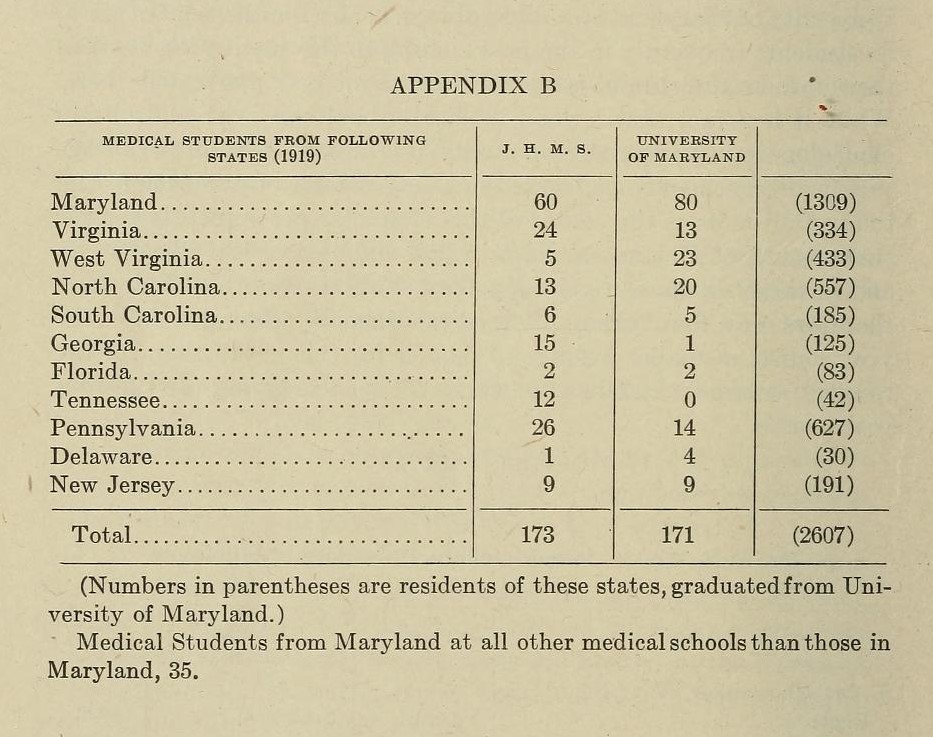
Chart of student attendance from different states.  Comparing with Johns Hopkins University

Comparison of students’ home state from Johns Hopkins Medical School and University of Maryland School of Medicine. From article by Dr. Gordon Wilson in Bulletin of the University of Maryland School of Medicine, December 1920.

Reports in the October 1920 Alumni Bulletin indicate the highest enrollment numbers in the history of the School of Medicine. While the student body remained mostly white men, there were a few students from non-traditional backgrounds and locations including India, Santo Domingo, and Costa Rico, with a surprising number of students coming from Puerto Rico.  The majority of students came from in state or the states surrounding or near Maryland.  A few students came from the mid-west, north east, and deep south.  The SOM had also recently begun admitting woman students (1918); however, it is unclear if there were any women students studying in the school in 1920, as Dr. Theresa O. Snaith, first woman graduate and class of 1923, transferred to the University of Maryland from another medical school at some point during her medical education.

For more information on the SOM in 1920 please see:

 

Posted in Historical Collections, Medicine | Tagged , , | Comments Off on 1920: A look back at the School of Medicine 100 Years Ago

Meet the Makers: Lydia Gregg, Medical Illustrator

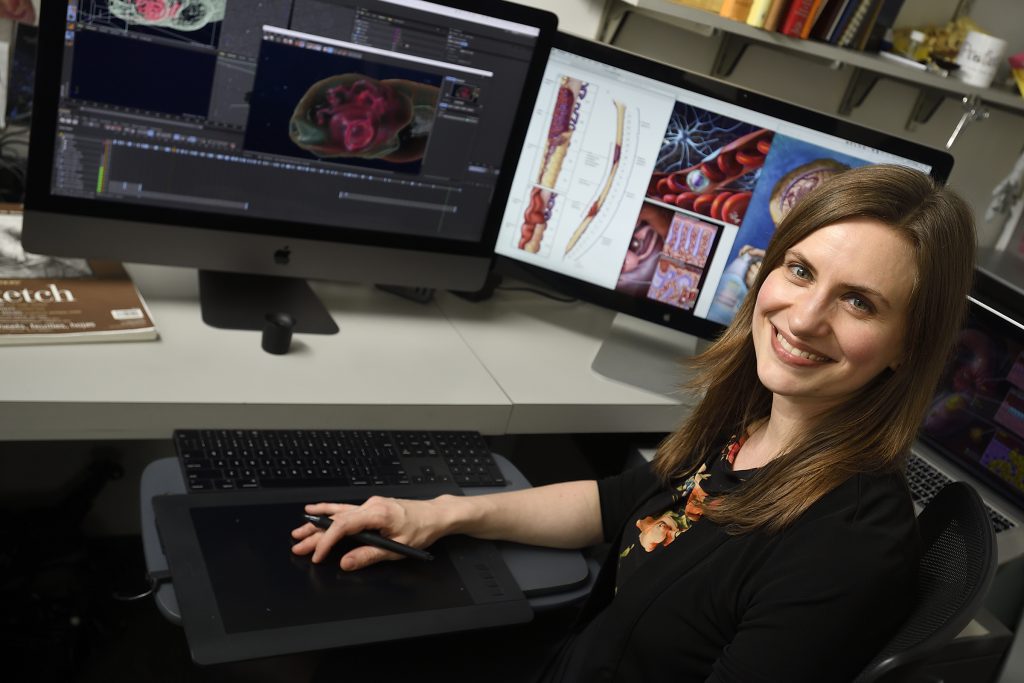
Lydia Gregg, medical illustrator,

“Medical Illustration: Clarifying the Biological & Health Sciences Through Visual Narrative”

Oct. 6, 2020
Noon-1 p.m.
Online Zoom event – RSVP for Zoom link

RSVP here

We are proud to host Lydia Gregg, MA, CMI, FAMI, for our next Meet the Makers guest speaker event.

Gregg is an Associate Professor jointly appointed in the Departments of Art as Applied to Medicine (AAM) and Radiology in the Johns Hopkins University School of Medicine. She also serves as Director of Operations in AAM. Her areas of interest in illustration, animation and research include cerebrovascular anatomy and the efficacy of visual communication materials. 

Posted in Events, Innovation Space, Technology | Comments Off on Meet the Makers: Lydia Gregg, Medical Illustrator

1920: A look back at the University of Maryland 100 Years Ago

The Health Sciences and Human Services Library Historical Collections’ strives to provide broad access to our diverse collections both in person and digitally. Materials in our collections appear as they originally were published or created and may contain offensive or inappropriate language or images and may be offensive to users. The University of Maryland, Baltimore does not endorse the views expressed in these materials. Materials should be viewed in the context in which they were created.

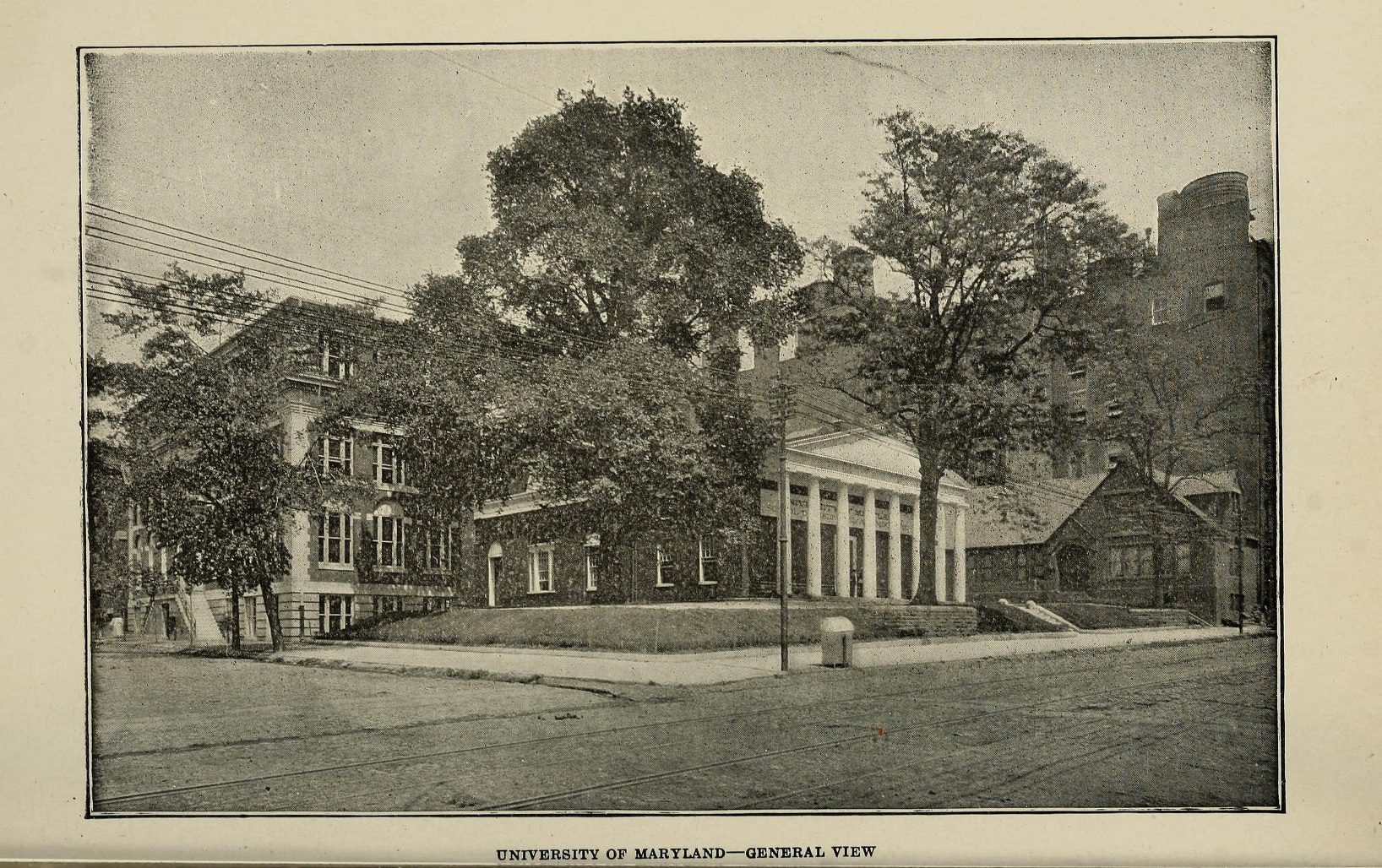
Photograph of UMB Campus circa 1920, has two trees and three buildings.

Photograph of the University of Maryland Baltimore, circa 1919. Photograph from Bulletin of the University of Maryland School of Medicine, July 1919. Available at: http://hdl.handle.net/10713/612. 

A new, albeit strange, school year has begun at the University of Maryland, Baltimore.  At this unique time, it is valuable to look back at our campus history to see how things have changed and remained the same.  This post marks the beginning of a series of posts looking at UMB in the academic school year 1920-1921.

The year 1920 marked the beginning of a new decade known in America as the “Roaring Twenties” because it was a period of economic growth and social change.  1920 was one year after the end of the 1918 Spanish Influenza, as well as nearly two years after World War I.

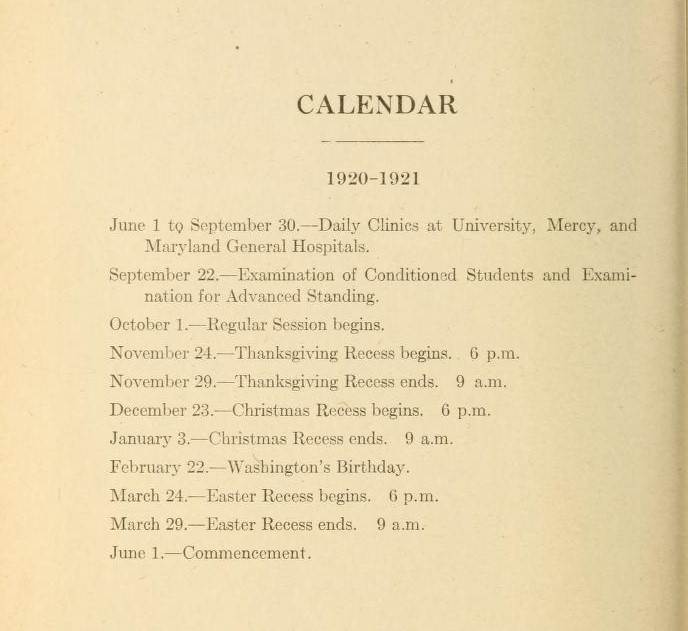
Image of 1920-21 Academic Catalog

1920-1921 Academic Calendar for the Schools of Medicine, Dentistry, Law, and Pharmacy. Classes began on October 1, 1920 and commencement occurred on June 1, 1921. Image from the Bulletin of the University of Maryland School of Medicine, July 1920. Available at: http://hdl.handle.net/10713/2621.

In April 1920, the University of Maryland (Baltimore) merged with the Maryland State College of Agriculture (College Park) through a Maryland State Act (Session 310, Chapter 480). The two campuses operated under the University of Maryland name and had fourteen colleges, schools, and departments.  Albert F. Woods was appointed president of the University. The Schools and Departments of Law, Medicine, Dentistry, Nursing, and Pharmacy were located in Baltimore.  The Graduate School was a newer school established in 1918 and was located at the College Park Campus.  The School of Social Work was not established until 1961. The University of Maryland began the 1920-21 school year on October 1, 1920.  All of the schools, with the exception of Nursing, operated on an October 1 to June 1 academic calendar. 

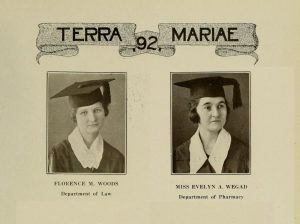
Women graduates of the class of 1921. Images from the 1921 Terra Mariae yearbook. Available at: http://hdl.handle.net/10713/2475.

Students at the University of Maryland, with a few exceptions and the entirety of the School of Nursing, were white males.  1920 marked the first year that women were admitted to all schools; yet in many situations were still being discouraged by some faculty and administrators from entrance.  As indication of this trend a perusal of the 1921 Terra Mariae Yearbook shows two woman graduates at Baltimore: one from the School of Law and one from the School of Pharmacy.  The faculty, except for B. Olive Cole, a 1913 graduate, serving as professor and secretary of the faculty in the School of Pharmacy, were also primarily white men.  The University in 1920, like many institutions of higher learning, did not accept African American students, which was legal under the 1896 Supreme Court Decision, Plessy vs. Ferguson.

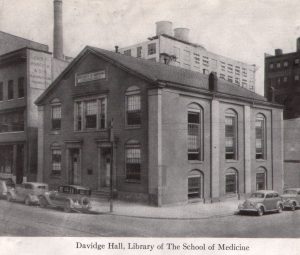
Photograph of “Davidge Hall” Library building on the corner of Lombard and Greene Streets, circa 1920. Image from A History of the Library of the University of Maryland, Ruth L. Briscoe. Available at: http://hdl.handle.net/10713/335.

The campus, while smaller, had a similar footprint centralized on Lombard Street. The University library was located in a former church building at Lombard and Greene Streets.  The building was called Davidge Hall; it should be noted that this is not the same building known as Davidge Hall on today’s campus. The library collection included 14,118 books, 58 journals, as well as pamphlets and reprints.  The head librarian was Ruth L. Briscoe.  In addition to the library, the building housed a Museum with specimens used to teach anatomy. 

For more information on UMB in 1920 see:

Posted in Historical Collections | Tagged , , | Comments Off on 1920: A look back at the University of Maryland 100 Years Ago

HS/HSL Building Reopens on September 14th!

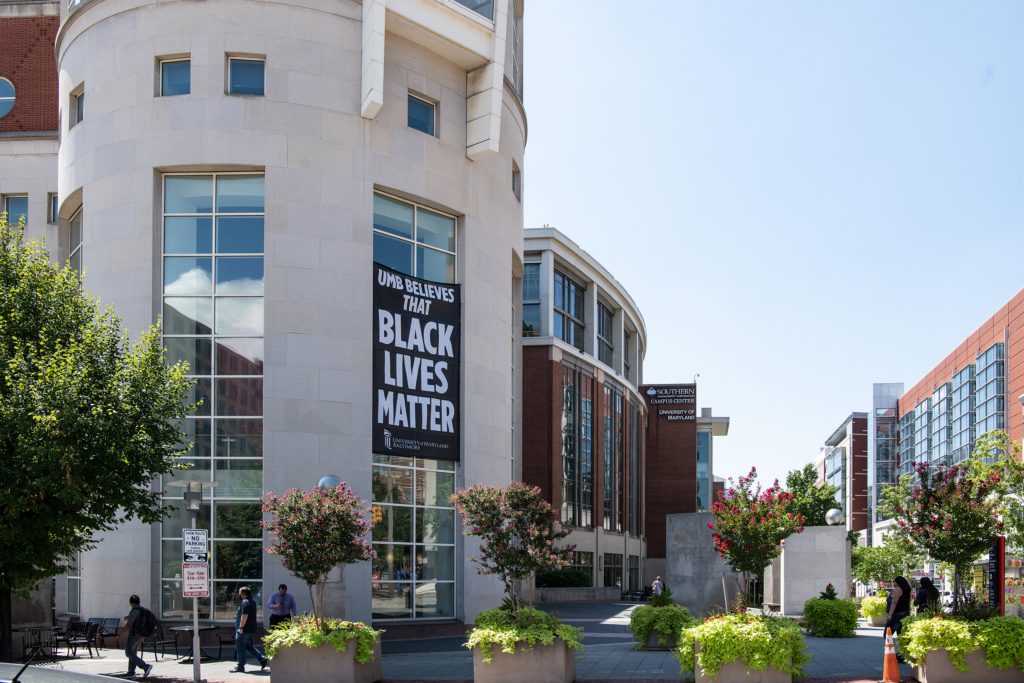
HS/HSL Tower with Black Lives Matter Banner
Photo Credit: Matthew D’Agostino, UMB Lead Photographer

The Health Sciences and Human Services Library (HS/HSL) building is reopening on a limited basis on September 14th.  For complete information, visit the Library’s FAQ.

  • Hours – 9:00 – 5:00, Monday-Friday. Weekend help is available via hshsl@umaryland.edu
  • Space – Floors 1 and 2 are available for 142 users.
  • Services – Services continue to be offered online.  Visit the virtual research support page for more information.
  • Books and Journals – Contactless book and journal pickup will be available.
  • Staff – Staff will be onsite to help.
  • Mood – Unlimited enthusiasm to see you again!

For more detailed information, visit the Library’s FAQ or the HS/HSL’s web site.

The HS/HSL adheres to all UMB’s COVID-19 guidelines regarding masking, physical distancing, and cleanliness.

Posted in Announcement, Building News | Tagged , | Comments Off on HS/HSL Building Reopens on September 14th!

The HS/HSL Will Be Closed 9/5 – 9/7 for the Labor Day Weekend

Happy Labor Day flag

The HS/HSL will be closed from Saturday, September 5th – Monday, September 7th for the Labor Day Weekend. Virtual services will not be available at this time and the building remains closed. You can still access the HS/HSL’s website to search our databases for full-text. Virtual services will be available again on Tuesday, September 8th.

Posted in Announcement | Tagged | Comments Off on The HS/HSL Will Be Closed 9/5 – 9/7 for the Labor Day Weekend

Virtual Reference for Fall Semester

Virtual HS/HSL services and resources are available during the Fall semester. Reference and chat hours are Monday – Sunday, 9:00am – 5:00pm. Contact us at hshsl@umaryland.edu.

Posted in Announcement | Tagged | Comments Off on Virtual Reference for Fall Semester

Aug. 25: Health Literacy Workshop at HS/HSL

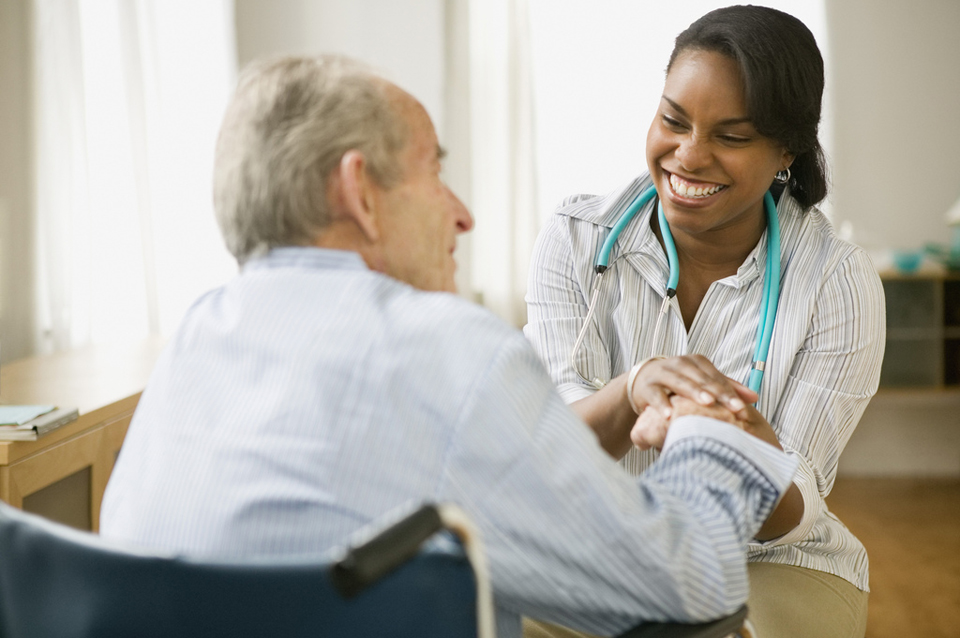
Nurse and elderly man spending time together — Image by © Jose Luis Pelaez, Inc./Blend Images/Corbis

Are you aware of your patients’ ability to understand and act on the information you give them? There is evidence that health care providers overestimate what patients are able to understand. Low health literacy is associated with higher mortality, higher rates of hospitalization and readmission, and poor self-management skills for chronic disease.

This workshop covers the basics of health literacy and clear communication, including tools that will assist you in creating easy-to-read materials. This workshop is online Aug. 25, from 10 a.m.-11:30 a.m. Register today!

Posted in Announcement, Workshops | Tagged | Comments Off on Aug. 25: Health Literacy Workshop at HS/HSL

HS/HSL Website Changes Coming – UMB Students Tell Us What You Think!

Student usability testing library website for $10 Starbucks gift card


The HS/HSL website’s navigation and organization are being refreshed to improve the user experience, and we want to know what UMB students think about the proposed changes. It requires a one-hour time commitment and will be performed using WebEx. Participants will receive a $10 Starbucks gift card.
We’re asking volunteers to perform several tasks and share their thoughts as they locate information related to the tasks. Screen activity and the participant’s voice will be recorded. Afterward, volunteers will be asked to share their overall impressions of the website. The study runs from July 27th – August 14th.

To participate in the usability study, contact Patricia Hinegardner, Associate Director for Resources at phinegar@hshsl.umaryland.edu.

Posted in Announcement | Tagged , , , | Comments Off on HS/HSL Website Changes Coming – UMB Students Tell Us What You Think!

HS/HSL’s Virtual Hour of Service

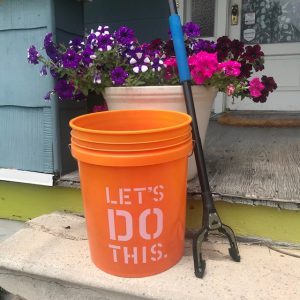
Photograph of orange trash bucket and trash picker on porch step.

“I spent an hour on my busy street and filled up my bucket, only to meet a sweet neighbor, Charles, who spends his time keeping the other side of the street clean.” – Everly Brown, Head of Information Services, HS/HSL

On Tuesday, June 23, 2020 the Health Sciences and Human Services Library staff participated in a virtual hour of service.  Library staff were encouraged to set aside an hour of their work day to serve the community.  Participants chose the charity, non-profit, or service of their interest and provided an hour of their time.  The idea was to do something as a group to come together virtually and spread kindness in a difficult time.

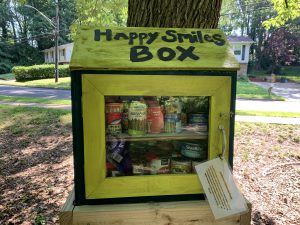
Happy Smiles Box photograph with canned goods and non-perishables for the community

“Happy Smiles Box created by kids in the neighborhood that has served as a “little library” at times and also has needed supplies, depending on what’s going on”. – Nancy Patterson, Network Engagement Librarian, Regional Medical Library

Twenty-three staff members participated in a variety of service avenues.  Several staff members took to the streets to pick up trash or weed in local parks and others donated food, blood, personal hygiene items, or money to local charity organizations.  Some staff members took on more personal service including preparing a home-cooked meal for essential worker-neighbors; or another spread words of kindness and encouragement through hand-painted rocks hidden in a park.  Some staff members took the virtual hour of service literally and volunteered their hours to transcription of archival resources, online poetry readings for incarcerated individuals, or participated in online email and text campaigns for social justice movements.

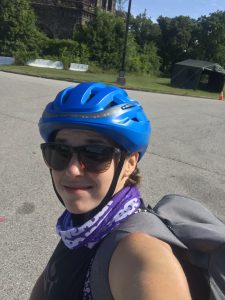
Headshot of library staff on bike with helmet

“On Fridays I bike fresh produce from a local CSA to neighbors who can’t go and pick it up due to COVID. It’s been a really cool experience- I get to bike to neighborhoods I probably wouldn’t see otherwise, I get to test how much produce I can fit in my backpack, and I’ve learned about farming in the city (like you can grow fig trees?!)” – Gail Betz, Research Education and Outreach Librarian, HS/HSL

The hour of service had unanticipated outcomes for participants as well.  For example, several staff members commented on connecting with new neighbors and making new friends while out collecting trash or weeding in the park.  Others learned more about the challenges and climate in their own communities through ongoing participation in food delivery and collection programs aimed at helping seniors and high-risk citizens.  Jarrod Irwin, Consumer Health Coordinator in the Regional Medical Library, participated in the Smithsonian’s online transcription project with the Freemans Bureau Papers; this experience provided Irwin with a better historical perspective on current issues.  He stated, “These letters suggest that even during Reconstruction, when U.S. leaders were actively trying to integrate formerly enslaved people and their families into society through education and other means, the need was so much greater than they apparently allowed for. A disappointing and distressingly familiar problem a century and a half later.”  The day provided a variety of avenues for the library to come together to make a better place. 

A list of organizations impacted by the HS/HSL’s Day of Service:

Posted in Events, News | Tagged , , | Comments Off on HS/HSL’s Virtual Hour of Service