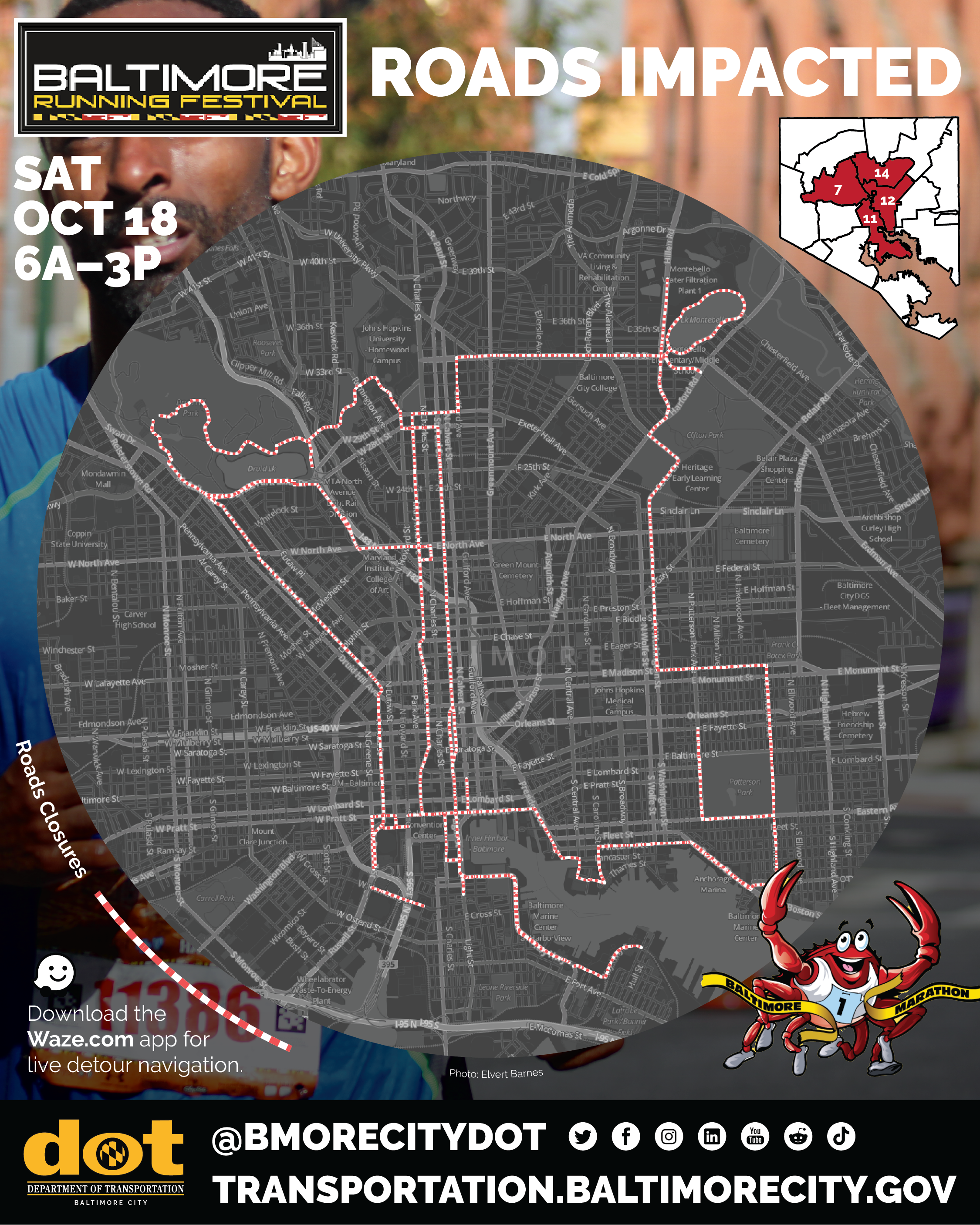
The Baltimore Running Festival takes place Saturday, Oct. 18, 2025. Expect road closures and traffic delays if you are coming to the HSHSL. To plan your travel, view the full race course map.

601 West Lombard Street
Baltimore MD 21201-1512
Reference: 410-706-7996
Circulation: 410-706-7928
The Baltimore Running Festival takes place Saturday, Oct. 18, 2025. Expect road closures and traffic delays if you are coming to the HSHSL. To plan your travel, view the full race course map.
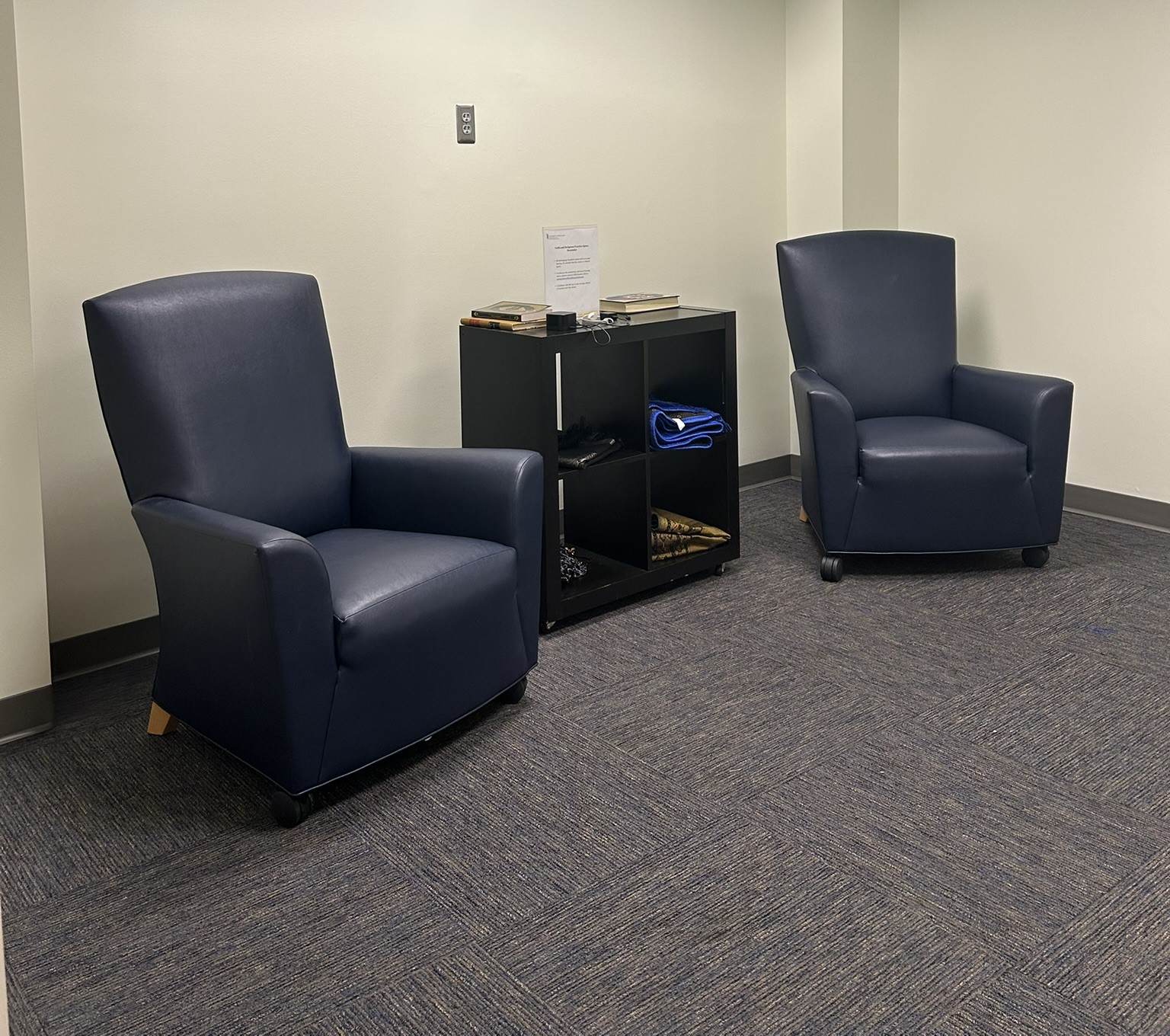
The HSHSL’s Faith and Religious Practice Space has moved to Room 301 on the third floor.
This quiet, inclusive space is open to all members of the UMB faculty, staff, and students for reflection, meditation, and prayer. The new location offers a comfortable and accessible environment while maintaining the same respectful atmosphere the campus community values.
We invite you to visit the new space at your convenience. Please help us keep it welcoming for everyone by maintaining cleanliness and mindfulness while using the room.
For more details, review the Faith and Religious Practice Space Guidelines.
If you have questions or feedback about the new location, contact us at hshsl@umaryland.edu or 410-706-7995.
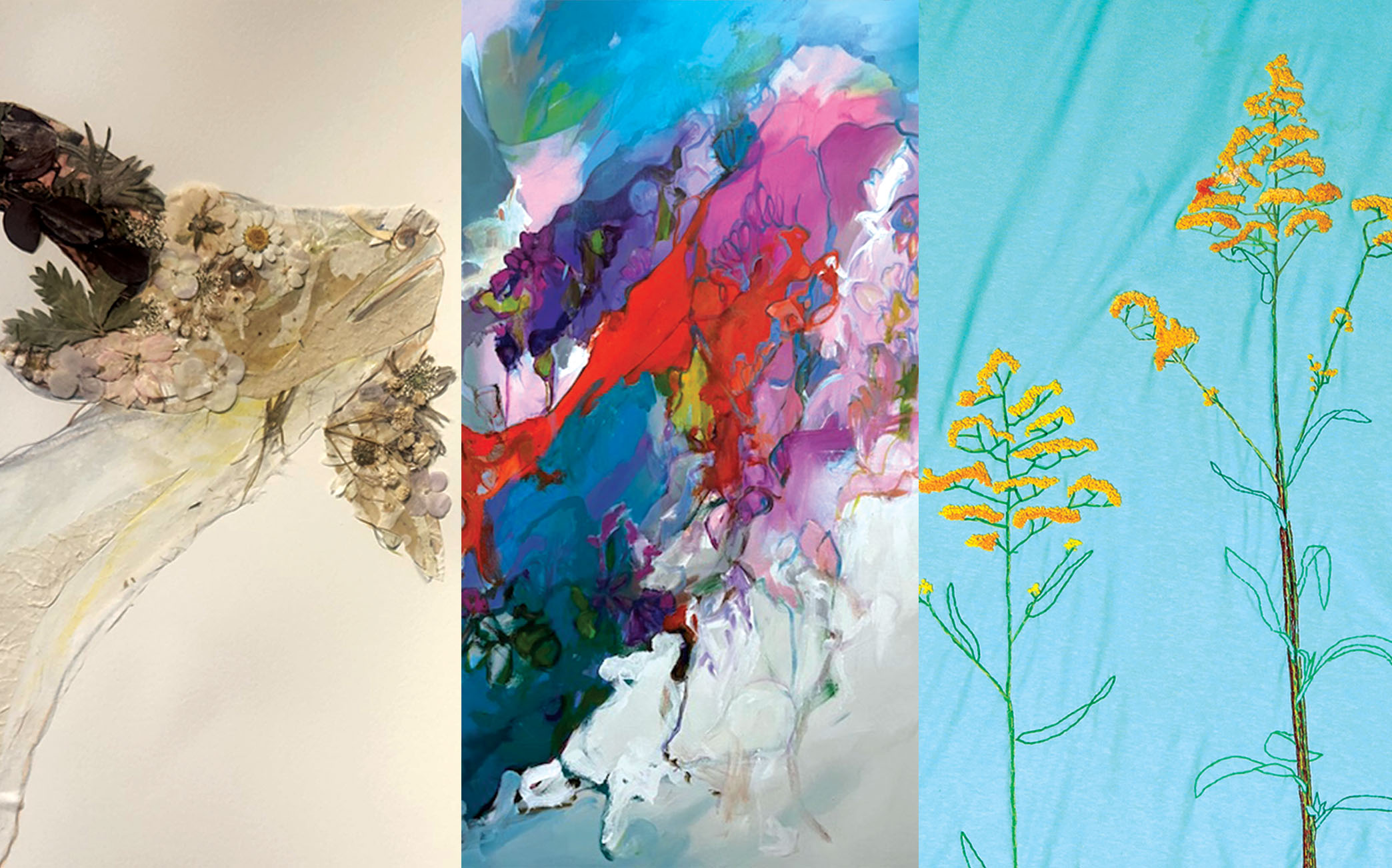
Join us for a reception celebrating the “Perennial” art exhibition on Wednesday, Oct. 22, at 4 p.m. in the Weise Gallery, first floor of the HSHSL. Everyone is welcome, and refreshments will be served.
“Perennial” is on display Sept. 15 through Nov. 7, 2025, in the Weise Gallery. The exhibit showcases the breadth and talent of select artists from the Goxxip Girl Collective, exploring themes of rebirth, resilience, and repetition. Like the cycles of the natural world, the artists return to their practices through adaptation and exploration to create anew.
The Goxxip Girl Collective is a collaborative initiative founded by artists from Maryland. Their vision is to create an inclusive space that celebrates the distinct talents of every member. The group promotes creativity and accessibility through meaningful programming and community engagement that drives positive change within Baltimore.
Don’t miss this opportunity to meet the artists, connect with the creative community, and enjoy an inspiring afternoon in the gallery.
The UMB Data Catalog is a finding tool for discovering datasets generated by UMB researchers. This catalog provides information about datasets and how to access them but does not function as a repository to store data.
The UMB Data Catalog is designed to:
It’s easy to submit your dataset information to the UMB Data Catalog using the new Include Your Dataset form. The form asks for author and affiliation information, a description of the data, associated publication(s) (if applicable), and instructions for accessing the data.
You can also provide more details about your dataset through optional metadata fields – for example, keywords. data types, study type, dates of data collection, dataset formats, and grant support. The catalog is searchable and browsable and including more information about your dataset can increase its discoverability and reusability.
We also have a new UMB Data Catalog LibGuide which provides more information about the catalog and what to know to submit your data! Please email umbdatacatalog@hshsl.umaryland.edu if you have questions.
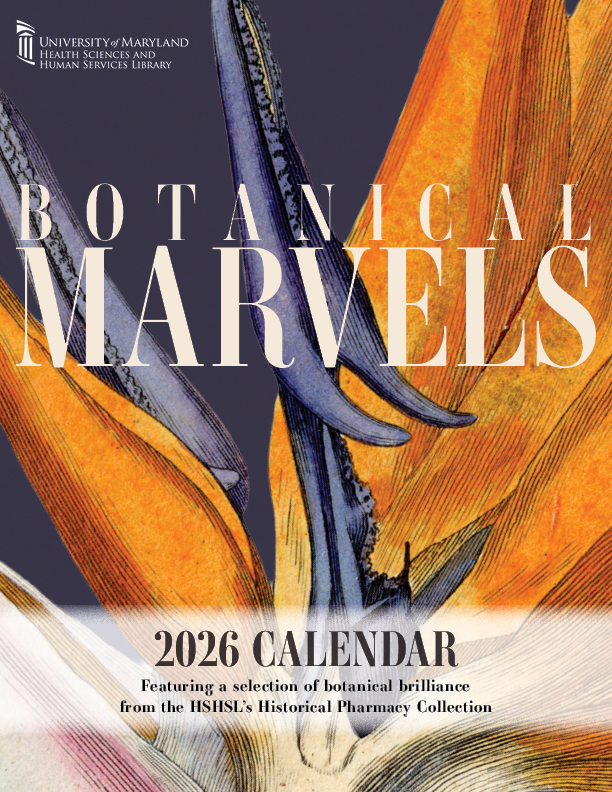
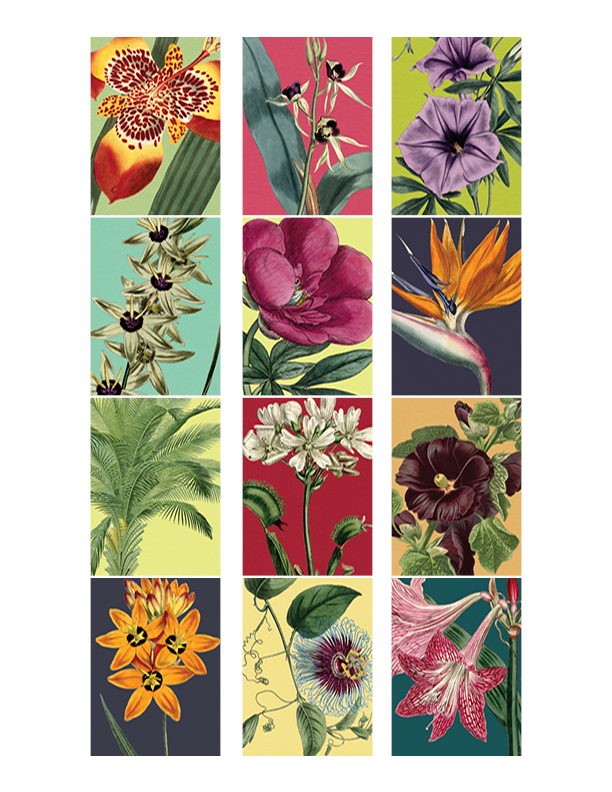
2026 marks the fifth-year anniversary of the HSHSL Calendar! To match that milestone, this year’s theme, Botanical Marvels, features some of the most impressive images from Historical Collections Pharmacy Historical Collection. This year’s calendar is stunning with vibrant colors and showstopping botanicals that will add interest to your wall all year long.
The botanicals featured in the calendar include images from William Curtis’ The Botanical Magazine, William Woodville’s Medical Botany, and Franz Kohler’s Kohler’s Medizinal-Pflanzen. These botanicals, as well as others, are part of the Pharmacy Historical Collection, which also includes pharmacopoeias, dispensatories, and herbals. The volumes in the collection date from the 17th century.
The calendar was designed by Thom Pinho, Lead Instructional Technology Specialist, while the content was written and provided by Tara Wink, Historical Collections Librarian and Archivist.
A limited number of calendars are for sale for $10. They make fantastic gifts!
We’re upgrading! The library’s public computers will be replaced Thursday and Friday, Oct. 9 and 10. While the new computers are being installed, public computers and printing services will be temporarily unavailable.
Need to print during this time? Stop by the Information Services Desk on the first floor. We’ll be happy to help.
The HSHSL is celebrating International Open Access (OA) Week with a five-day challenge designed to improve discovery of your scholarly work! Each day we will email you with a brief but meaningful activity, including:
If you complete any of the activities and fill out our evaluation survey at the end of the challenge, you will be entered to win some library swag!
Sign up to receive daily challenges from October 20-24, 2025.
If you want to learn more about how the HSHSL supports Open Access, visit the Open Access LibGuide.
Contact publishing@hshsl.umaryland.edu with questions.
Censorship and the impulse to restrict access to ideas are not new. They have remained a constant thread in debates over sex, religion, science, politics, gender and race, raising a fundamental question: Who gets to decide what we can read?
To mark Banned Books Week, Oct. 5–11, the HSHSL has assembled an exhibit highlighting banned and challenged books in our circulating and historical collections. Although the national observance lasts only one week, our exhibit will remain up longer to give visitors more time to explore.
The first floor showcases circulating titles that are available for checkout, while the fifth floor highlights noncirculating historical titles.
Circulating Collections: Bound but Not Silenced
The circulating and leisure reading collections at the HSHSL contain titles that have faced bans or challenges in schools, prisons, and libraries across the United States. These books continue to spark debate on issues such as race, politics, health, and identity. A few are highlighted below in more detail, followed by a list of other contested works in our holdings.
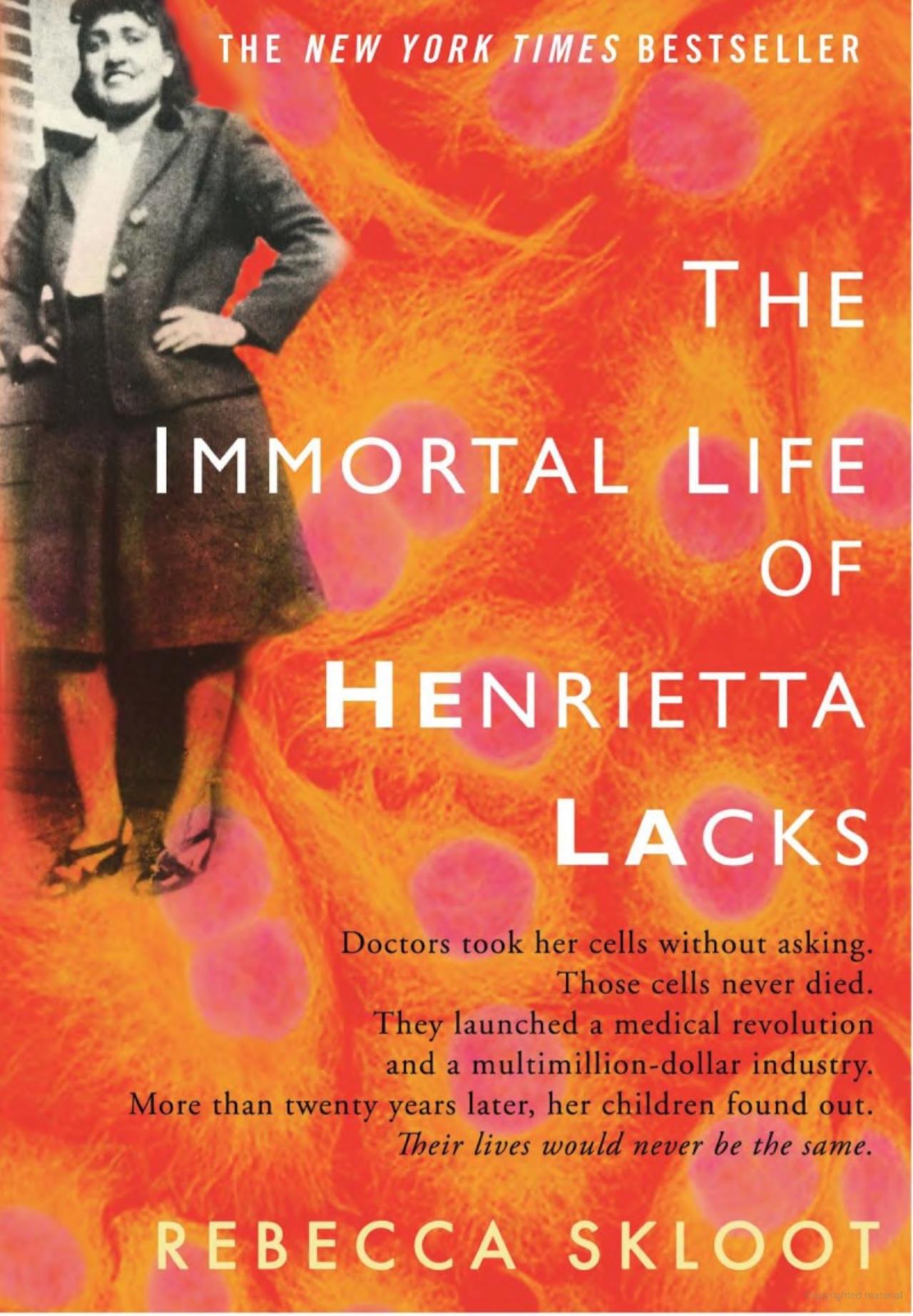 The Immortal Life of Henrietta Lacks by Rebecca Skloot, 2010. HSHSL Circulating Collection, RC265.6 .L24 S55 2011.
This award-winning work tells the story of Henrietta Lacks, a Black woman whose cervical cancer cells were taken without her consent in 1951. Those cells became the first immortal human cell line, known as HeLa cells, and made possible major medical breakthroughs. The book has been challenged in schools as pornographic and for graphic information. Its censorship has drawn criticism because the book raises issues central to health sciences education, including patient consent, race, and medical ethics.
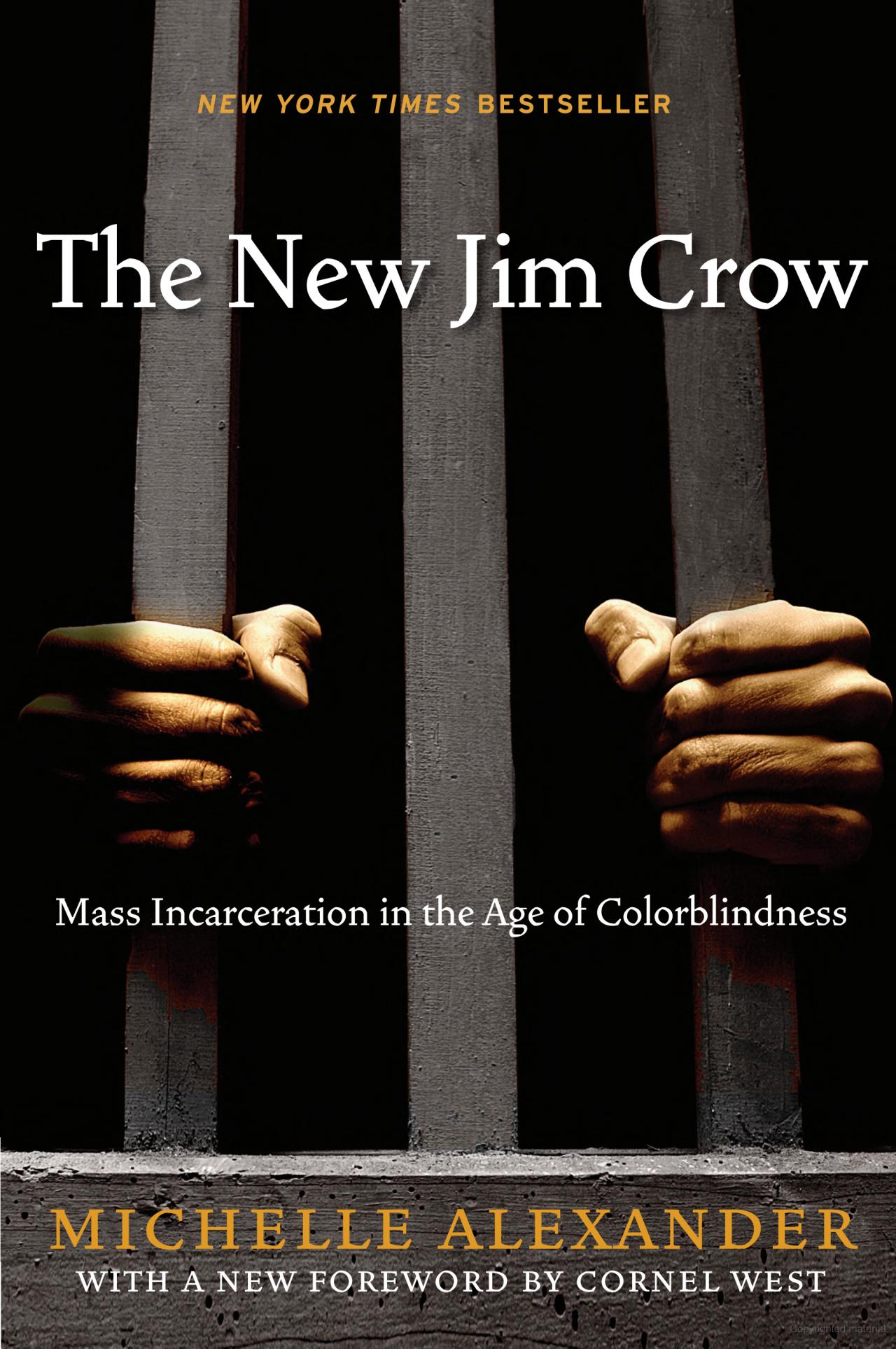 The New Jim Crow: Mass Incarceration in the Age of Colorblindness by Michelle Alexander, 2012, revised edition. HSHSL Circulating Collection, HV9950 .A437 2012.
Alexander’s book examines how mass incarceration in the United States functions as a system of racial control. It has been banned in multiple prison systems and challenged in schools for its focus on structural racism. Since its publication, the book has been widely discussed in both legal and health fields. It has become a touchstone for understanding how social policies shape health outcomes and contribute to inequities in communities.
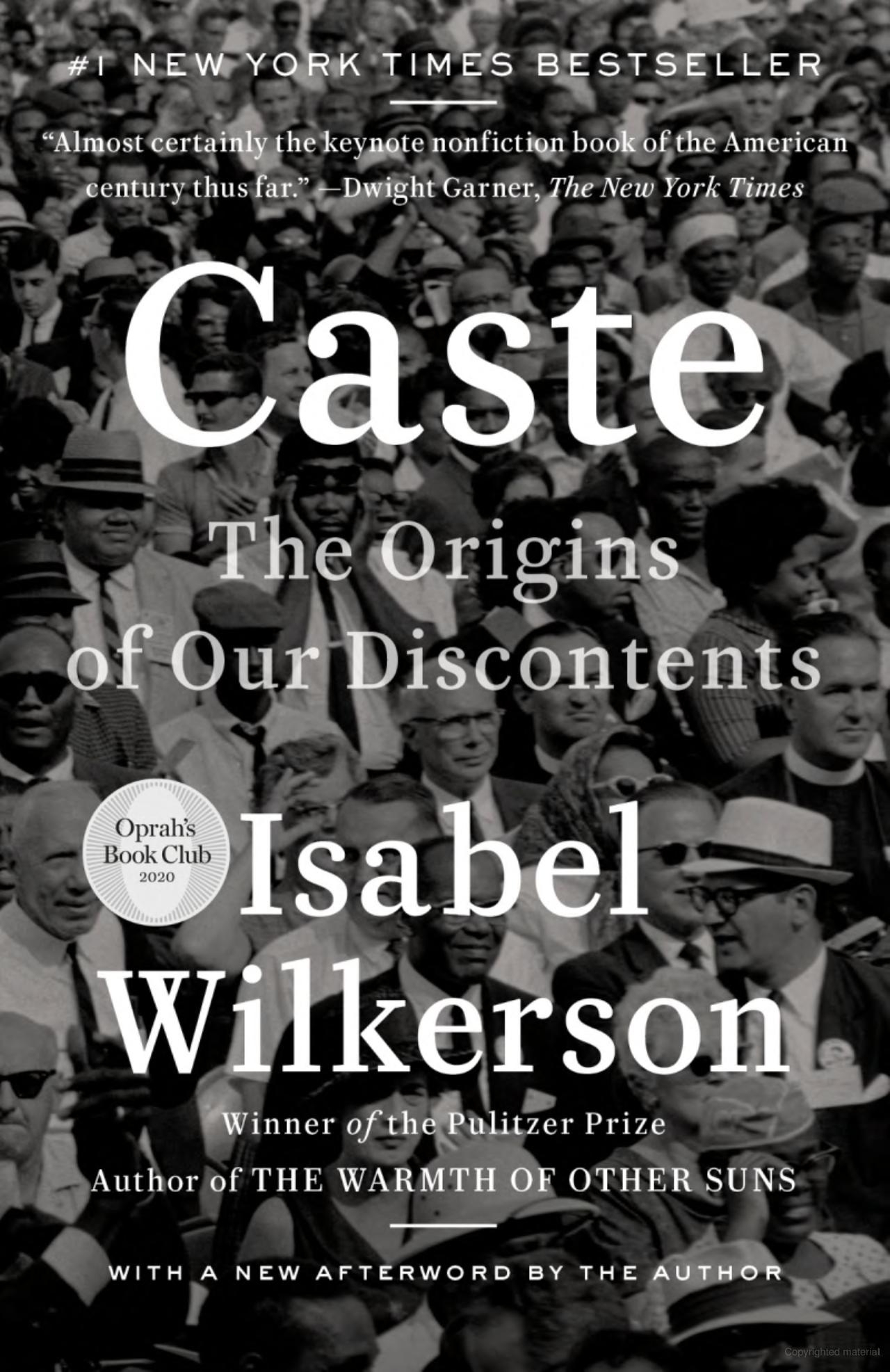 Caste: The Origins of Our Discontents by Isabel Wilkerson, 2020. HSHSL Leisure Reading Collection, HT725 .U6 W55 2020.
Wilkerson argues that race in the United States functions as a caste system that influences opportunity, privilege, and inequality. The book was removed from some Texas shelves under the label of weeding, although critics argued that the decision was politically motivated. Its removal is part of a broader debate about how topics such as history, race, and social structures are taught. The book has been influential in conversations about inequity in health care and society at large.
Other banned and challenged titles in the circulating and leisure reading collections include:
Politics and ideology
Social justice and race
Young adult and contemporary fiction
Historical Collections: Through the Flames
Historically, medical and science volumes were not immune from bans and censorship. Many medical and science texts were added to the Catholic Church’s Index Librorum Prohibitorum, a list of books prohibited because they contradicted the Bible or challenged morality. The list was not the first to censor books in the name of religion, but it was longstanding lasting from 1560 to 1966. Other volumes were banned due to laws, such as the 1873 United States Comstock Laws which prohibited the distribution of lewd, obscene, indecent, or filthy materials. The Comstock Laws remain in effect today but are mostly ignored except to prosecute the distribution of child pornography; however, when first established they prohibited the distribution of materials related to sex or contraception.
The titles highlighted below are from Historical Collections and range in theme from titles outlining early evolution theory to volumes teaching women about contraception as well as volumes presenting modern philosophical theories. While these volumes do not circulate, most have been digitized and can be read online.
Family Limitation by Margaret Sanger, Revised 13th Edition, undated. From the Social Work Historical Book Collection.
This pamphlet was first published in 1914 while Margaret Sanger awaited trial for violating the 1873 Comstock Laws with her newsletter, The Woman Rebel. The first edition was printed 100,000 copies secretly at night. While not traditionally banned, this pamphlet could not be distributed under the Comstock Laws because it described and advocated for methods of birth control and discussed sex and marriage, topics which were considered lewd or obscene. After publishing this pamphlet, Sanger fled the country for London; she returned in 1915 to face the charges against her but she never went to trial because the prosecutor did not want to turn Sanger into a martyr. Her husband, William Sanger, was jailed for unknowingly distributing Family Limitation to an undercover copy. While challenged, the pamphlet was still influential; it was translated into a dozen languages and had 18 editions.
Married Love by Marie Carmichael Stopes, Revised 9th Edition, 1921. From the Social Work Historical Book Collection.
Married Love was written in 1913, but publishers found it too controversial to print until Humphrey Verdon Roe (Stopes’ second husband) paid to have it published in 1918. The book was a sex manual that discussed birth control and argued that marriage should be an equal relationship. Married Love also suggested that woman should and could enjoy sex; it was also the first book to note that woman’s sexual drive coincided with ovulation. The book was a best seller in England going through five editions in its first year of publication but was immediately banned by the United States Customs because it was considered obscene. In 1931, Federal Judge John M. Woolsey in US v. One Obscene book entitled “Married Love” overturned the ban; Woolsey overturned the ban on Stopes’ Contraception that same year. Married Love was referenced several times in seasons 4 and 5 of Downton Abbey.
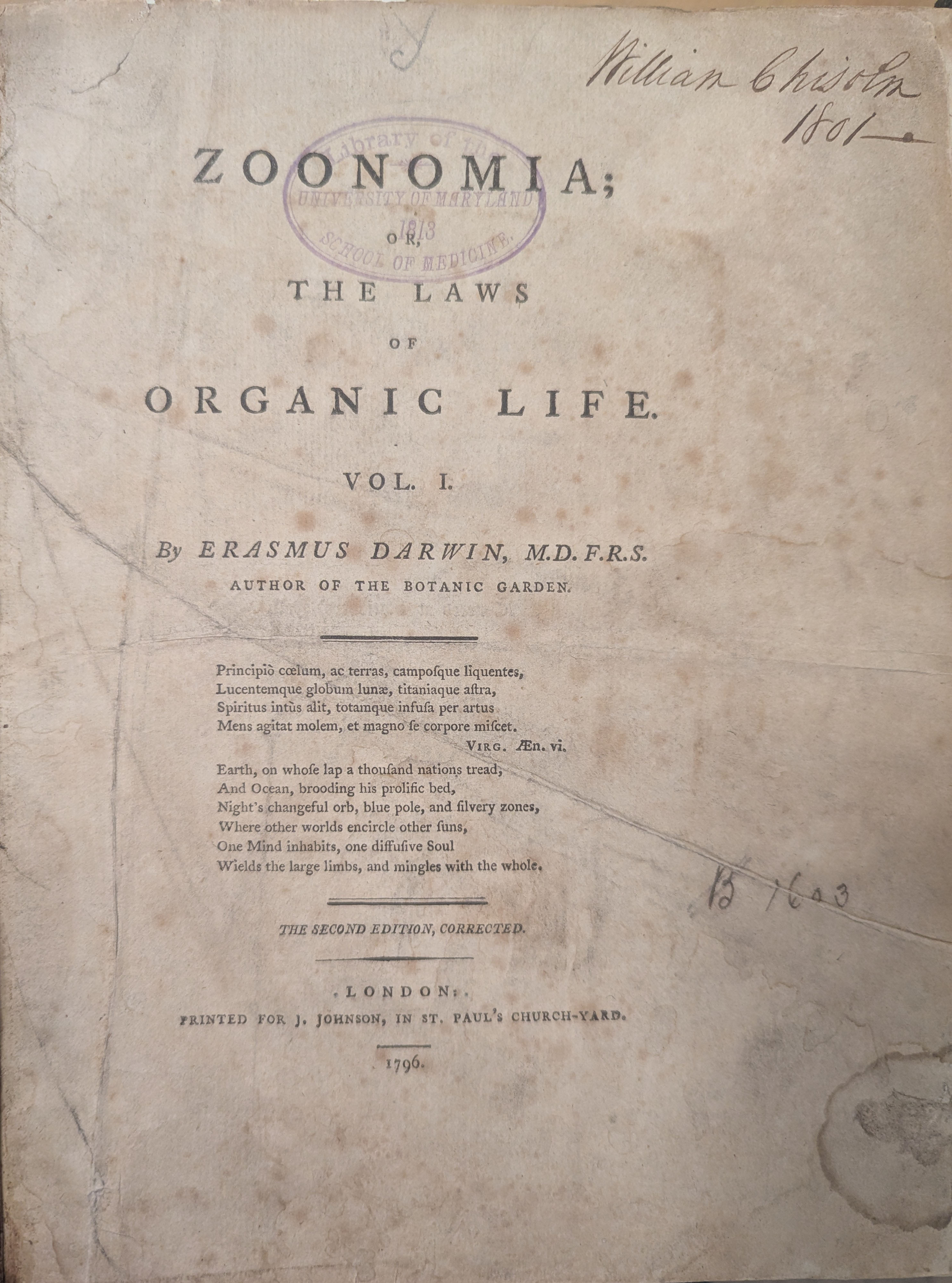 Zoonomia, or, the Laws of Organic Life by Erasmus Darwin, 1796. From the Medicine Historical Book Collection.
Zoonomia is a two-volume text on the pathology, anatomy, psychology, and functioning of the body published in 1794 (volume 1) and 1796 (volume 2). The volumes establish early theories of evolution and classified animal life as well as diseases and their treatment. The title was placed on the Catholic Church’s Index Librorum Prohibitorum in 1817 because the books implied that the Bible was not literal and included mentions of sex and procreation that was deemed lewd. As a result of the ban, Erasmus Darwin is often a forgotten name in evolution theory history. Erasmus Darwin was the grandfather of Charles Darwin.
Lectures on Comparative Anatomy, Physiology, Zoology, and the Natural History of Man by Sir William Lawrence, 1828. From the Medicine Historical Book Collection.
This volume combines William Lawrence’s 1817 series of lectures on physiology and zoology at the Royal College of Surgeons in London with his 1818 volume, The Natural History of Man. The book was banned by Lord Chancellor and the British government in 1822 because it was considered blasphemous for contradicting the Bible. As a result of the ban, Lawrence lost copyright of the book, which was then pirated by several publishers. The volume is an early work on evolution and was cited several times by Charles Darwin in The Descent of Man, yet Lawrence’s theories on evolution, like Erasmus Darwin’s above, are often not included in the history of evolution. The book also deals with race and presented arguments about what made races different.
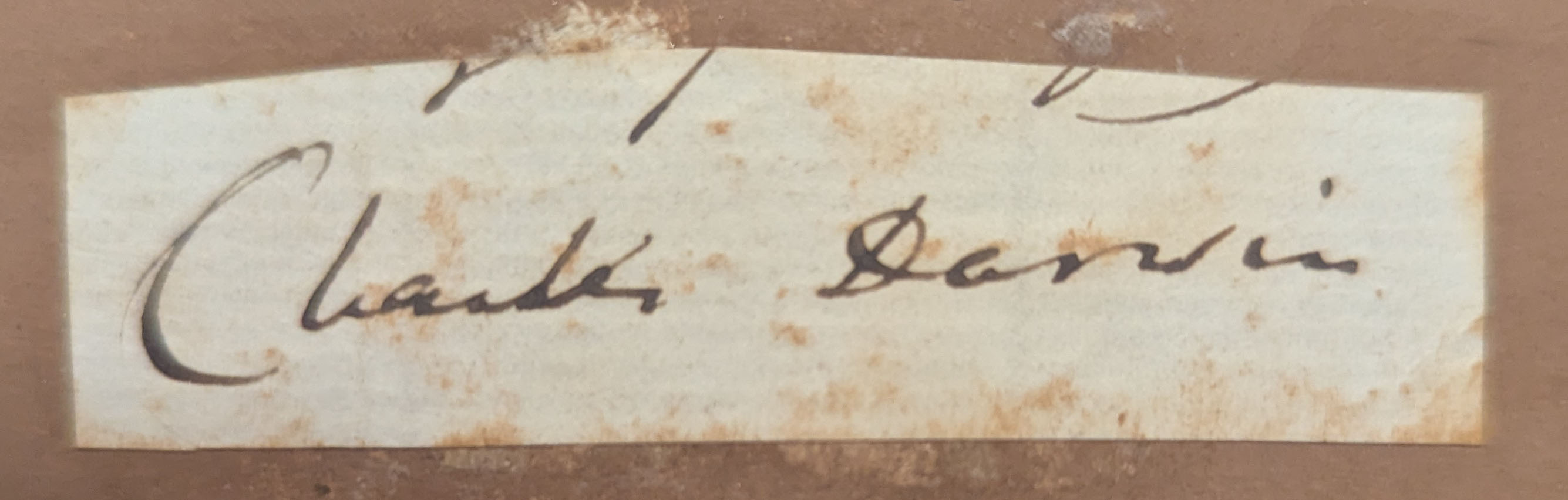
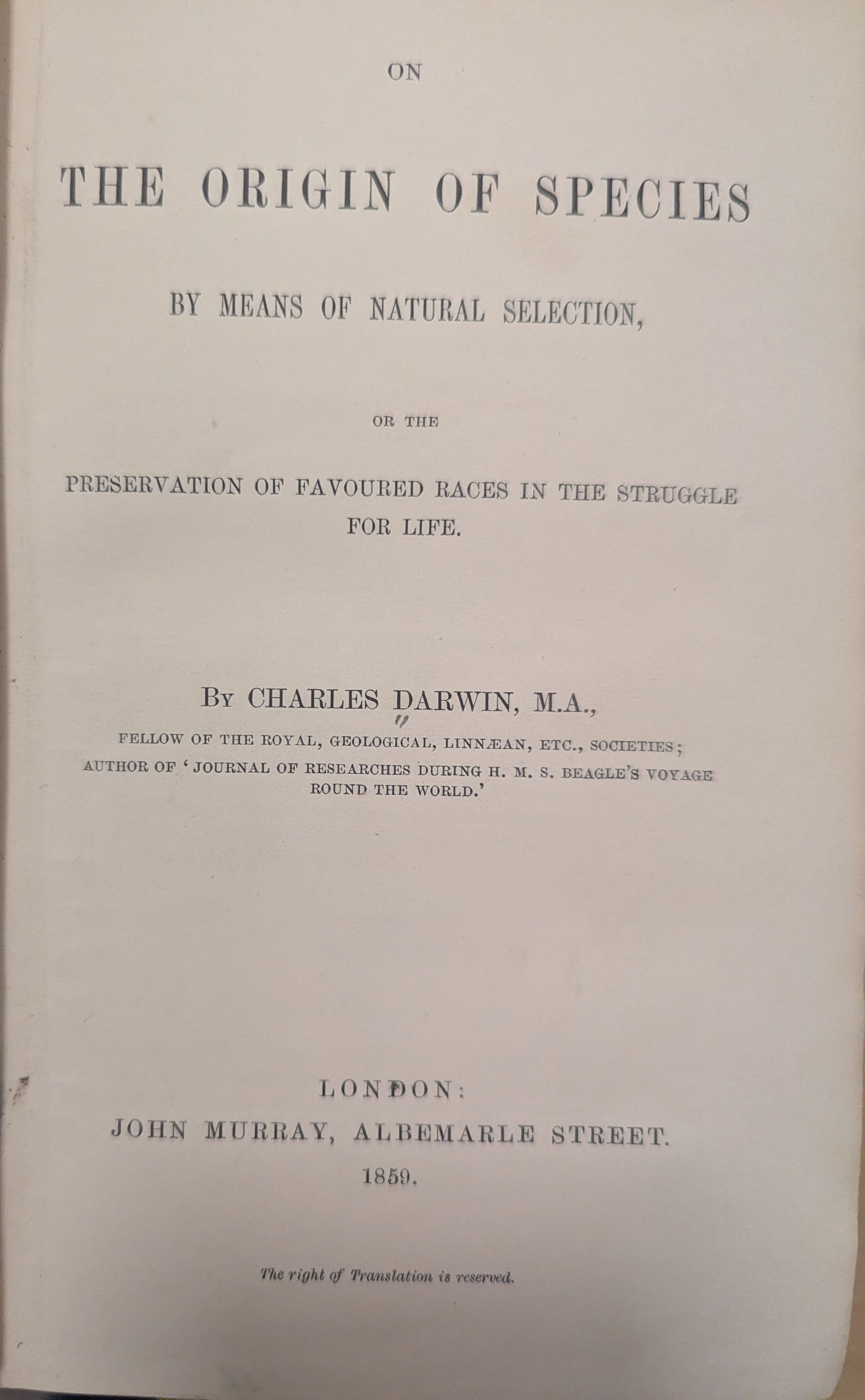 On the Origin of Species by Means of Natural Selection, or, the Preservation of Favoured Races in the Struggle for Life by Charles Darwin, 1st Edition, 1859. From the Medicine Historical Book Collection.
On the Origin of Species was named the most influential banned book by public vote in The Bookseller in 2019. Charles Darwin published the book in 1859, but he wrote it 20 years prior. Darwin hesitated to publish the volume because he understood that his theory could be problematic because it conflicted with Christianity’s teaching of creation and God as an active participant in human life. Initially the book was a best seller. It was first banned from Darwin’s Alma Mater, Trinity College in 1895 for “contradicting Christian beliefs.”
In the US the Civil War (1861-1865) kept Darwin’s theory from spreading until the late 19th century. The first ban on Darwin and the teaching of evolution in the US occurred in Tennessee in 1925 with the Butler Act. John Scopes, a teacher challenged the law by teaching evolution in high school, which resulted in the 1925 Scopes Trial where Scopes was found guilty. The verdict was eventually overturned on a technicality. The ban on teaching evolution remained in effect in Tennessee until 1967; the teaching of evolution continues to be a controversial topic in the United States.
An Essay Concerning Humane Understanding and a Treatise on the Conduct of the Understanding by John Locke, 1850. From the Medicine Historical Book Collection.
John Locke’s An Essay Concerning Humane Understanding was first published in 1689. Locke argued that the mind at birth was a blank slate, known as Tabula rasa, attacking the principle of innate knowledge and suggested that humans are not born with a sense that God exists and should be worshipped. The book was added to the Index Librorum Prohibitorum in 1700 and banned at Oxford University in 1704. When originally published the work was four volumes; the 1850 volume in our collection combined all four volumes and included information about the author. Locke’s work paved the way for the development of modern philosophy; he is considered the “father of liberalism.”
Browne’s Religio Medici and Digby’s Observations by Thomas Browne and Sir Kenelm Digby, Tudor & Stuart Library Edition, 1909. From the Medicine Historical Book Collection.
This volume combines Thomas Browne’s 1642 volume titled, Religio Medici or “Religion of a Physician” and Sir Kenelm Digby’s observations on the piece as well as challenges to Browne’s assumptions, logic and conclusions. Religio Medici is based on Browne’s own experiences and thoughts about the Christian faith; it looks at the relationship between religion and science. The volume promoted tolerance and asked readers to come to their own conclusions when it came to faith and science. The first edition was an unauthorized publication by Andrew Crooke; Browne later published an authorized version in 1643 and by 1645 the book was added to the Index Librorum Prohibitorum.
Works of Sigmund Freud. From the Medicine Historical Book Collection.
Historical Collections contains three volumes by Sigmund Freud: Selected Papers on Hysteria and other Psychoneuroses (1912), The History of the Psychoanalytic Movement (1917), Three Contributions to the Theory of Sex (1916). All of Freud’s work was banned and burned by the Nazi party in state-sanctioned book burning bonfires in Germany from 1933 to 1945. Freud was deemed “un-German” because of Freud’s family’s Jewish beliefs despite Freud himself being an atheist. During the book burns fire oaths were used stating the reasons why the book was problematic. The fire oath for Freud’s work called it “soul-shredding overvaluation of sexual activity.” In a conversation with Ernest Jones, a friend and colleague, Freud said, “What progress we are making. In the Middle Ages they would have burned me. Now, they are content with burning my books.” Jones would be instrumental in getting Freud and his family safely out of Austria in 1938.

Clear communication is vital to quality health care. The Health Sciences and Human Services Library (HSHSL) is committed to helping providers and researchers strengthen their skills and raise awareness of health literacy during Health Literacy Month in October.
The HSHSL’s Health Literacy Guide offers resources for both health care providers and patients. Explore tools to assess health literacy, write in plain language, explain numerical concepts, and locate reliable information in other languages.
This fall, the library will host two online workshops led by Mary Ann Williams, MSLS, research and education librarian. These interactive sessions focus on practical strategies for communicating clearly and effectively with patients.
Upcoming workshops
Enhancing Patient Outcomes through Clear Health Communication
Do your patients fully understand the information you share with them? Research shows that providers often overestimate patient comprehension. Low health literacy is linked to higher mortality, increased hospitalizations, and poor chronic disease management. This workshop introduces the basics of health literacy and clear communication, along with tools for creating easy-to-read materials.
Health Information Resources for Culturally Diverse Patients
Looking to improve communication with patients whose first language is not English? This session highlights patient education materials in multiple languages and examines how using these resources can strengthen compliance and outcomes.
📅 Register for a workshop today to sharpen your communication skills and make a lasting impact on patient care.
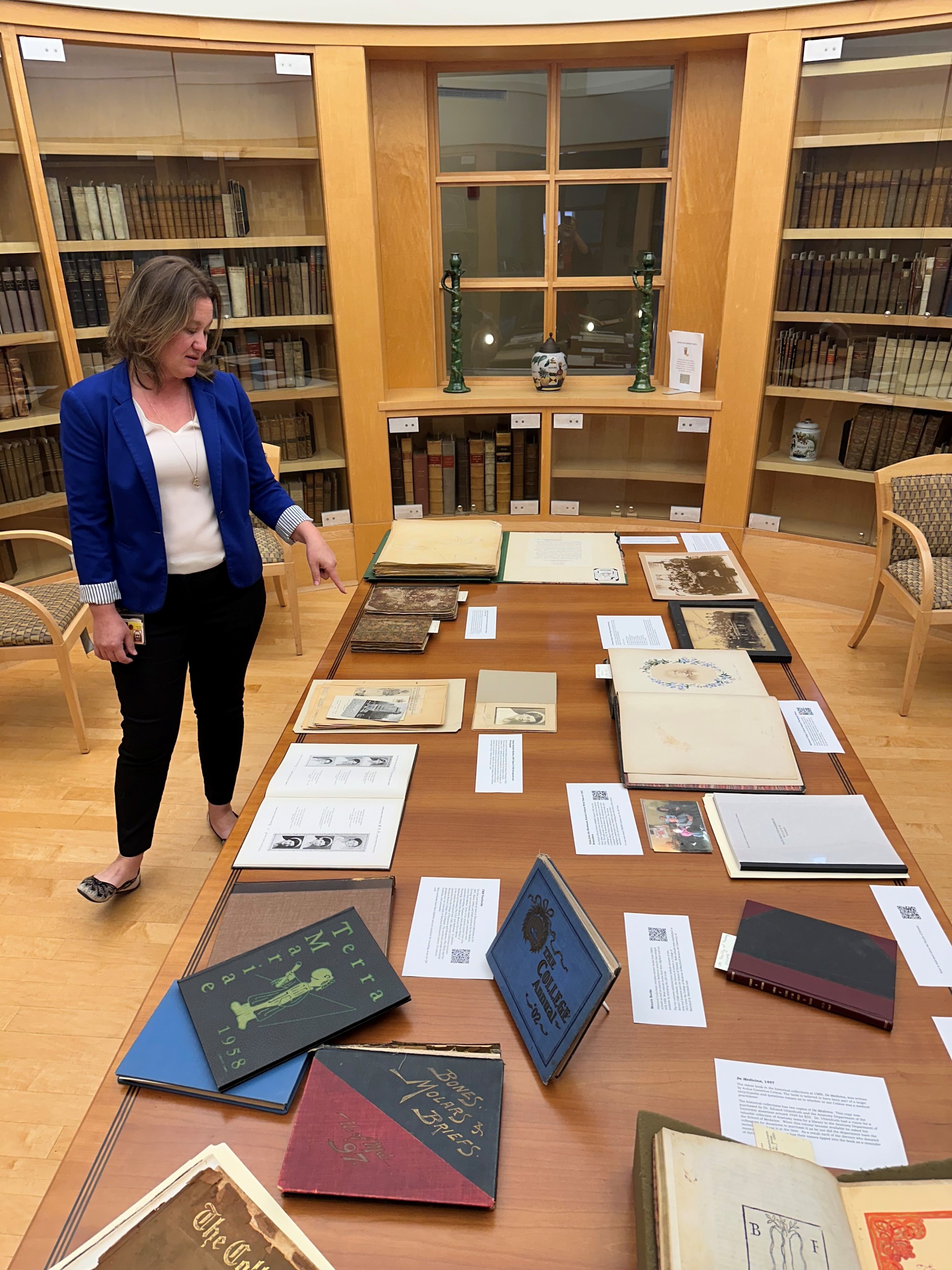 As part of the University of Maryland, Baltimore’s (UMB) Founders Week celebration, students, staff, and faculty are invited to visit five historical sites on campus Oct. 21 between noon and 2 p.m. HSHSL’s own Historical Collections will be one of the tour stops that day.
Historical Collections of the Health Sciences and Human Services Library (HSHSL) is an archival repository for the University of Maryland, Baltimore (UMB). The physical and digital collections document the history and accomplishments of the graduate, dental, medical, nursing, pharmacy, and social work schools at UMB. In addition, the collections tell the history of the health sciences and human services in Baltimore generally. The repository holds unique manuscript collections and selected primary source documents dating to the University’s early nineteenth century origins. Historical Collections also houses the HSHSL’s rare book collections, featuring significant works in the health sciences and social fields.
Attendees will have the opportunity to interact with items from each of the schools to learn more about UMB’s 19th century origins. To learn more about the collections check out the webpage or read the Historical Insights blog posts. The Collections are open to the public; if you cannot attend on Oct. 21 but are still interested in learning more about the collections or seeing the repository contact Tara Wink, Historical Collections Librarian and Archivist.
For more information about the Historical Treasurers tour check out the Founders Week events page and check out the event’s flyer for campus tour stops.