Archive for the ‘Volume 20’ Category

March 2026 – Volume 20 – Number 2

Dean’s Message

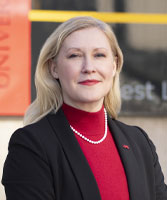
Emily Hurst
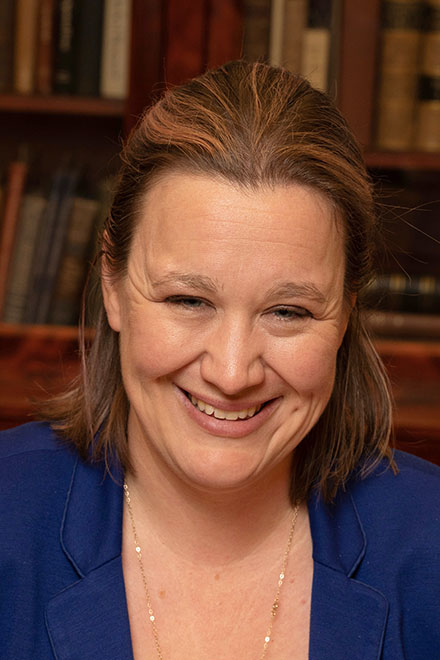
Emily Hurst, Associate Vice Provost and Dean, HSHSL

As spring approaches, the HSHSL employees are looking forward to a busy and exciting time of year. The HSHSL building will be buzzing with activity this spring as we host a number of exciting events and programs. Behind the scenes, I am meeting regularly with both HSHSL teams and campus leaders on a variety of ongoing projects, several of which I highlight below.

Over the last quarter, I have had the pleasure of speaking with deans across campus about the HSHSL Fiscal Year 2025 Annual Report, which is now available online. The report includes photos and stories recapping fiscal year 2025. I am very proud that the report has become such a collaborative effort, one that showcases the rich engagement, collaborations, and activities the HSHSL is involved in. I encourage you to review the report and reach out to me if you have any questions.

Title II, a major federal requirement that will impact the way the HSHSL provides access to services for the public and students, will go into effect at the end of April 2026. Title II of the Americans with Disabilities Act (ADA) requires that all content shared with students and the public meets accessibility standards. This requirement will impact materials posted on the HSHSL website as well as content that the HSHSL may provide to instructors for use in class. Title II holds everyone accountable for creating accessible materials for the public and student audiences. Since January, Christina Cestone, PhD, assistant vice provost for Faculty Affairs, and I have served as co-chairs of the UMB Title II Task Force, through which UMB has developed resources and made recommendations for adopting Title II principles across campus. The HSHSL leadership team also charged an HSHSL Title II Task Force to review current practices and recommend changes to ensure the HSHSL is compliant with Title II. The HSHSL Title II Task Force has worked with the HSHSL Accessibility Committee to develop trainings and host drop-in sessions to ensure all HSHSL employees gain the knowledge and skills to ensure that all materials created for or shared with students and the public are accessible. Across the HSHSL, we are committed to creating an accessible environment and ensuring all students and members of the public can access the materials and services they need to be successful. We are also excited that by embracing Title II standards, we will ensure that our content is broadly accessible to the widest public audience.  

The HSHSL is a member of the University System of Maryland and Affiliated Institutions (USMAI) Library Consortium, an important consortium that helps connect USM library resources and enables reduced cost consortial access for popular databases and other essential resources. I look forward to welcoming the directors of the other 16 USMAI libraries to the HSHSL in May for our annual strategic planning retreat, where we will discuss potential collaborations, and purchase decisions.

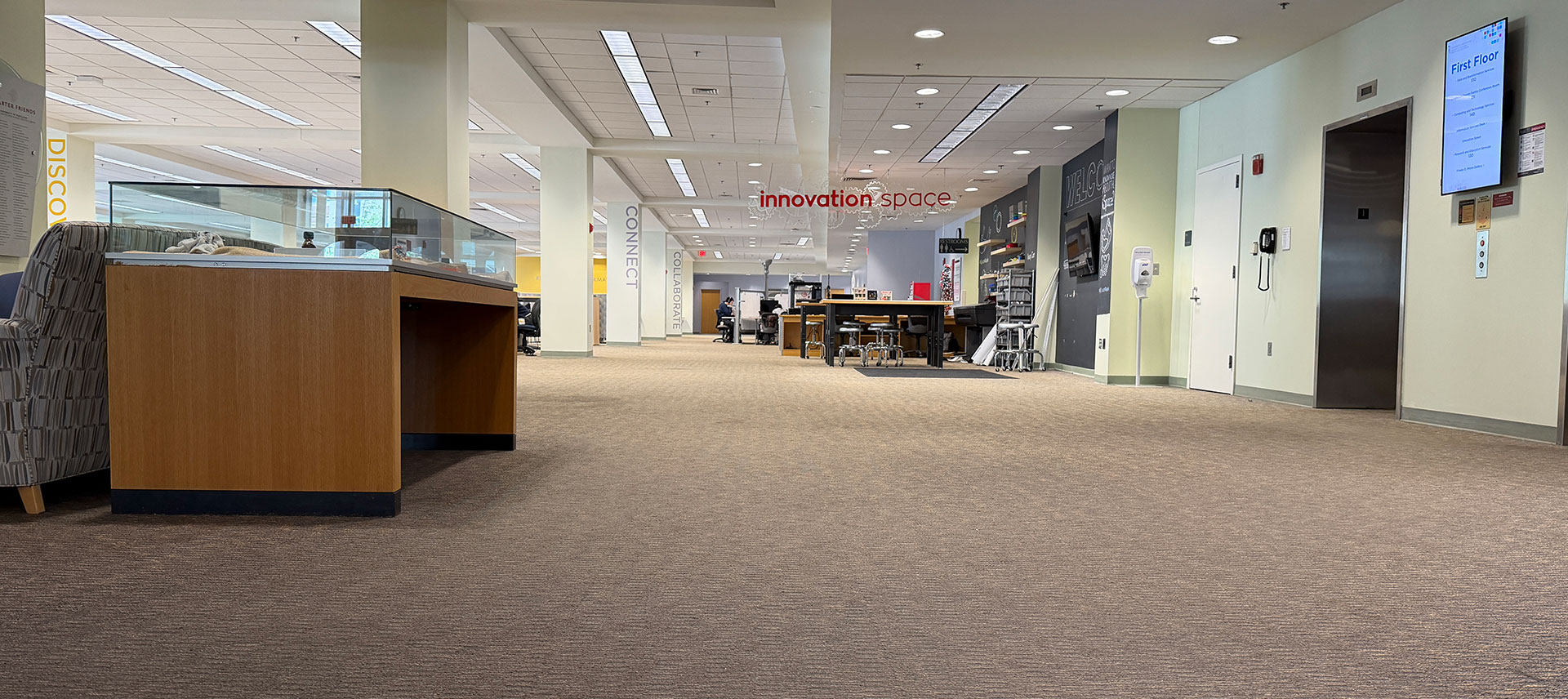
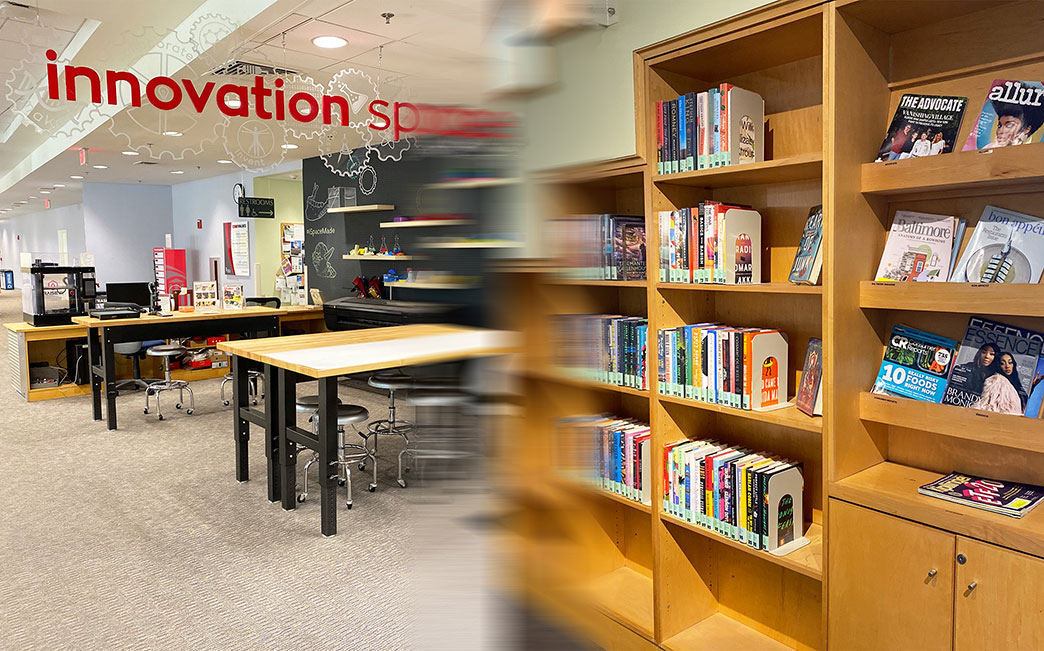
I am pleased to share that after many months of planning and selection decisions our HSHSL leadership team has finished reviewing feedback from the HSHSL First Floor Update Task Force and consulting with vendors. The plan to replace carpeting on the first floor is slated to begin right after finals, in mid-May 2026. This major first-floor overhaul will include rearranging furniture and existing spaces as well as launching some new concepts. Photos and more will be shared in the next edition of Connective Issues. You can expect to see improvements to the Kinnard Leisure Reading area, a downsizing of the Innovation Space, and a new, family-friendly study room.

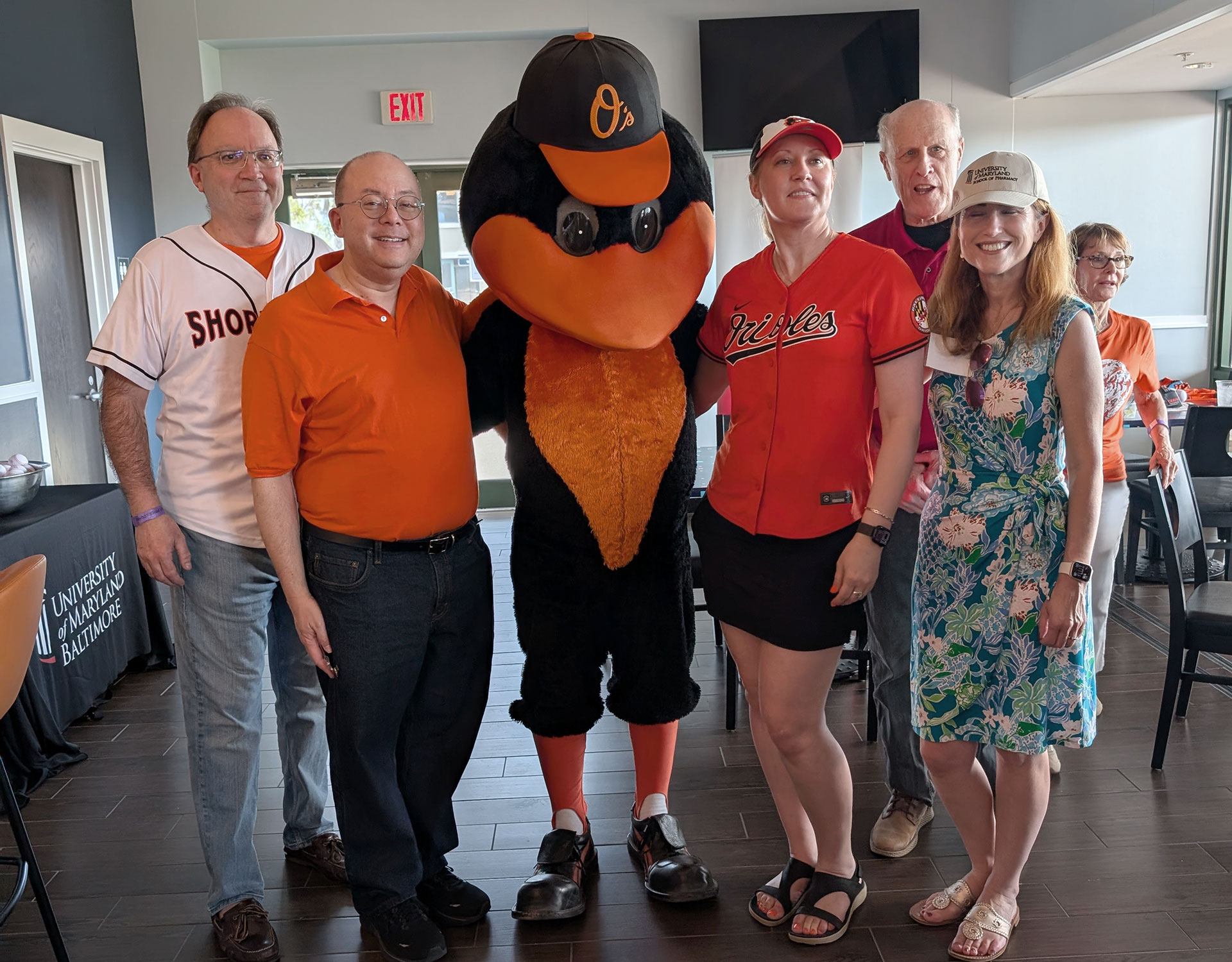
Earlier this month, I was invited to join the UMB Office of Philanthropy on their annual alumni events in Florida. It was a pleasure to meet with alumni from across disciplines and hear their HSHSL memories. Most were happy to learn about the HSHSL building’s 30th anniversary in 2028 and our anticipated relaunch of events, programming, and engagement to support fundraising goals.

Dean Hurst poses with Greg Bowden, UMB vice president and chief philanthropy officer; Kenneth Wong, PhD, dean of the School of Graduate Studies; Bruce Jarrell, MD, FACS, UMB president; and Sarah Michele, PhD, dean of the School of Pharmacy; and the Oriole Bird at the annual alumni event at the Orioles Spring Training in Sarasota, Florida.

Dean Hurst poses with Greg Bowden, UMB vice president and chief philanthropy officer; Kenneth Wong, PhD, dean of the School of Graduate Studies; Bruce Jarrell, MD, FACS, UMB president; Sarah Michele, PhD, dean of the School of Pharmacy; and the Oriole Bird at the annual alumni event at the Orioles Spring Training in Sarasota, Florida.

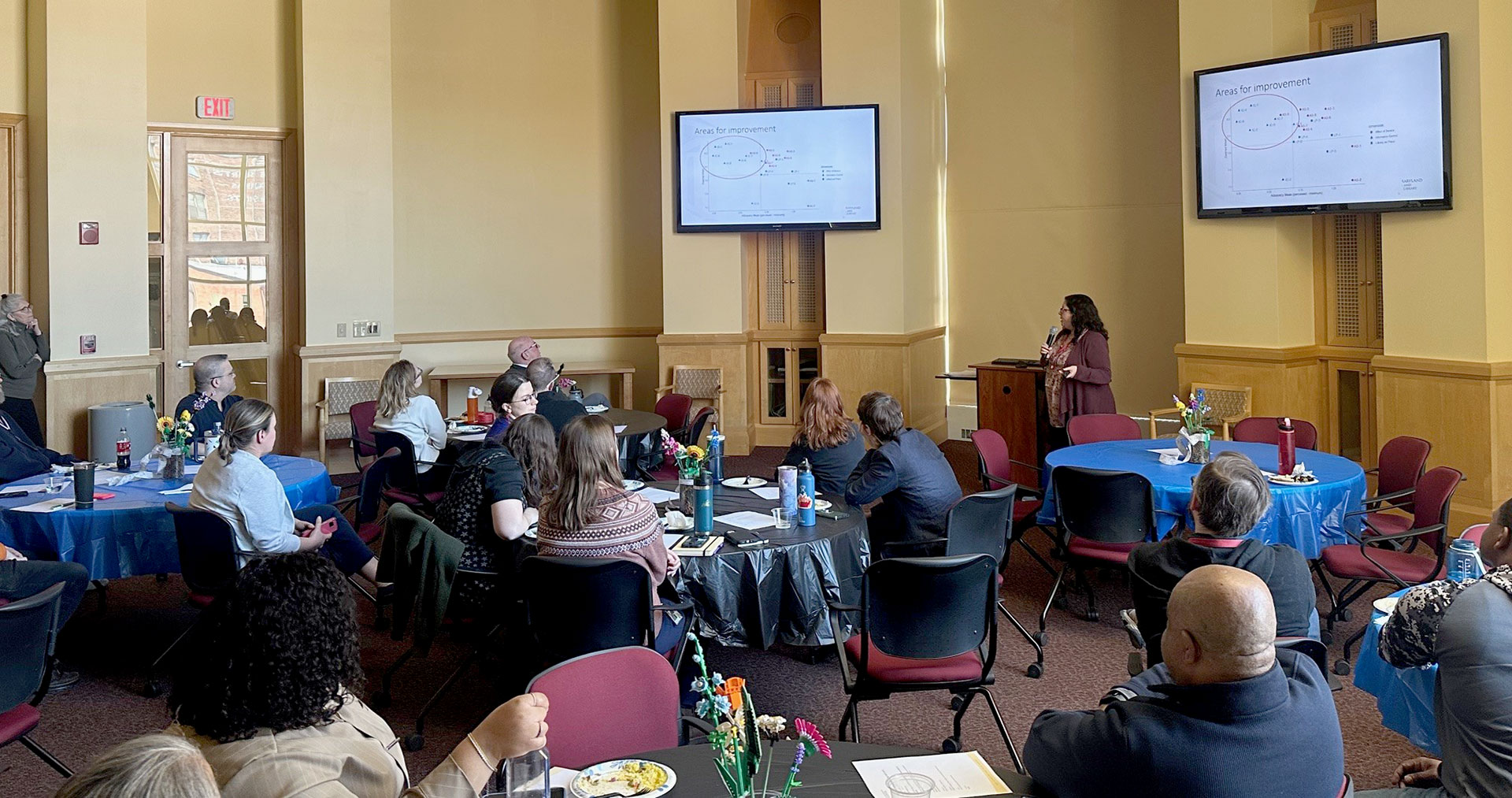
In February, the HSHSL hosted its second annual employee appreciation event and meeting. The event included an opportunity to connect with colleagues, an employee kudos video with messages of peer-to-peer recognition and support, a presentation on LibQual+ findings (detailed in the annual report), and updates from the dean.

Amy Yarnell, MLS, head of Data & Bioinformation Services presents at the February meeting on LibQual+ findings.

Have You Tried Consensus Yet?

Consensus Logo

Consensus is an “AI-powered search engine for scientific research papers.” It uses large language models to search, analyze, and summarize findings from the scholarly literature, helping users explore topics, compare studies, and quickly understand the current state of evidence.

The HSHSL is currently running a trial of Consensus Pro through 2026. Visit the HSHSL’s Consensus guide to learn more about the tool and how to access the trial.

As a library, we not only provide access to emerging tools but also evaluate how they support research and scholarly work. We welcome your feedback during the trial as we assess whether Consensus adds meaningful value to UMB’s research ecosystem. If you’ve tried Consensus, please complete the Consensus Feedback Form to let us know what you think.

Forgot Something? We’ve Got You

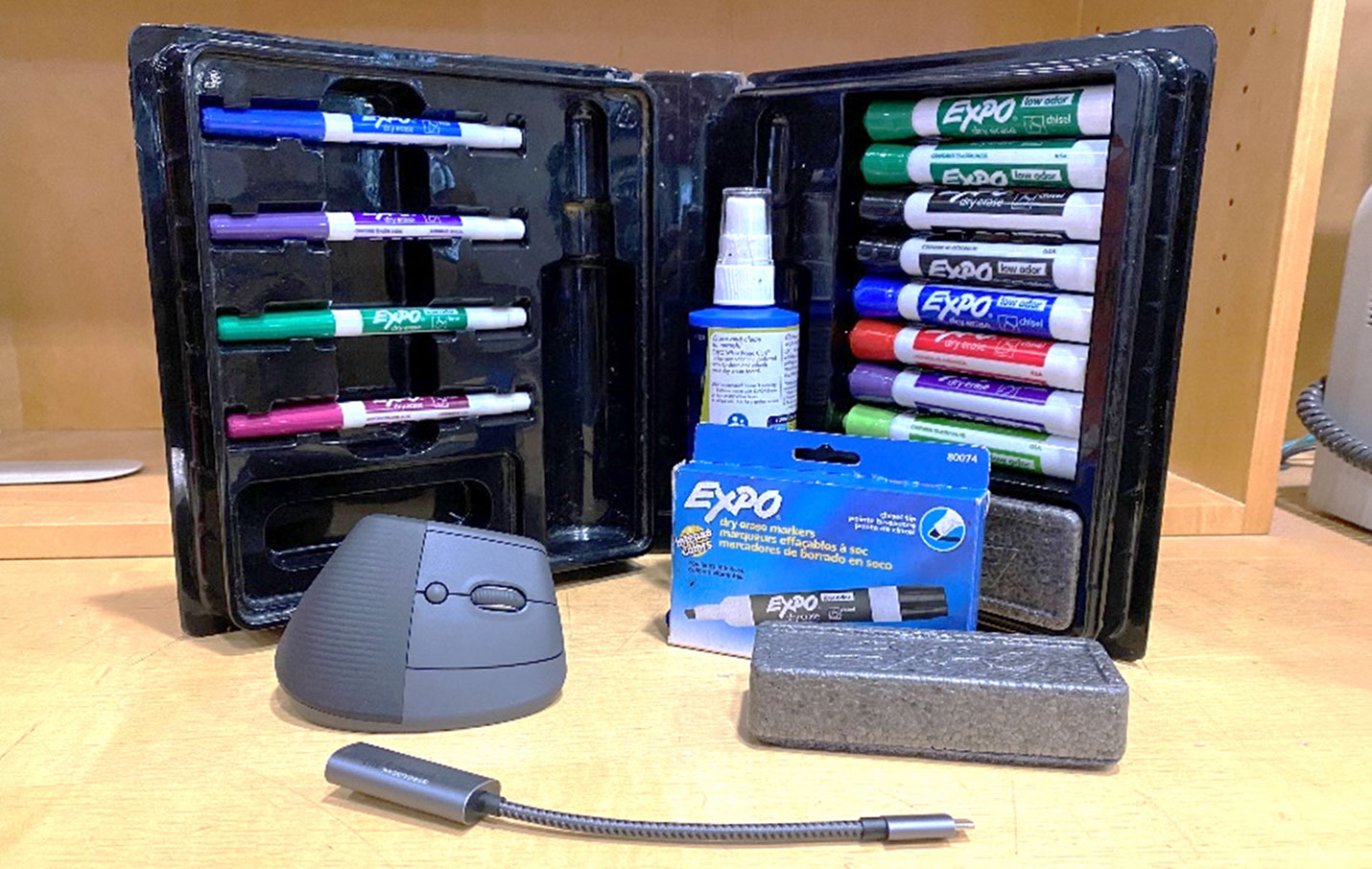
A collection of dry erase markers in an open case, with an ergonomic mouse, an Expo marker box, eraser block, and a USB gooseneck light on a wooden surface.

Need a quick study tool or device accessory? The HSHSL offers a range of items to help you stay focused, organized, and connected. Whether you are settling in for a long study session or just need a quick fix, these tools are easy to access and ready when you are.

Self-Serve Items

Pick these up from the bins at the front desk to use in the HSHSL. No checkout needed.

Study Tools

  • Whiteboards
  • Laptop stands
  • Keyboards
  • Computer mice

Focus Essentials

  • Headphones
  • Earplugs

Items Available at the Desk

Staff will check these out for you.

Study Tools

  • Dry Erase Markers
  • Erasers

Stay Powered Up and Connected

  • Common charging and display cables (USB-C, HDMI, Lightning, Mini DisplayPort)
  • Portable DVD drive
  • External floppy disk drive

Accessibility Items

  • Wireless ergonomic mice
  • Large-print, backlit keyboard
  • LED magnifier
  • Ergonomic laptop stands

Need Something Else?

Just ask. We are here to help you find what you need to work comfortably and effectively.

The Seventh Annual Love Data Week

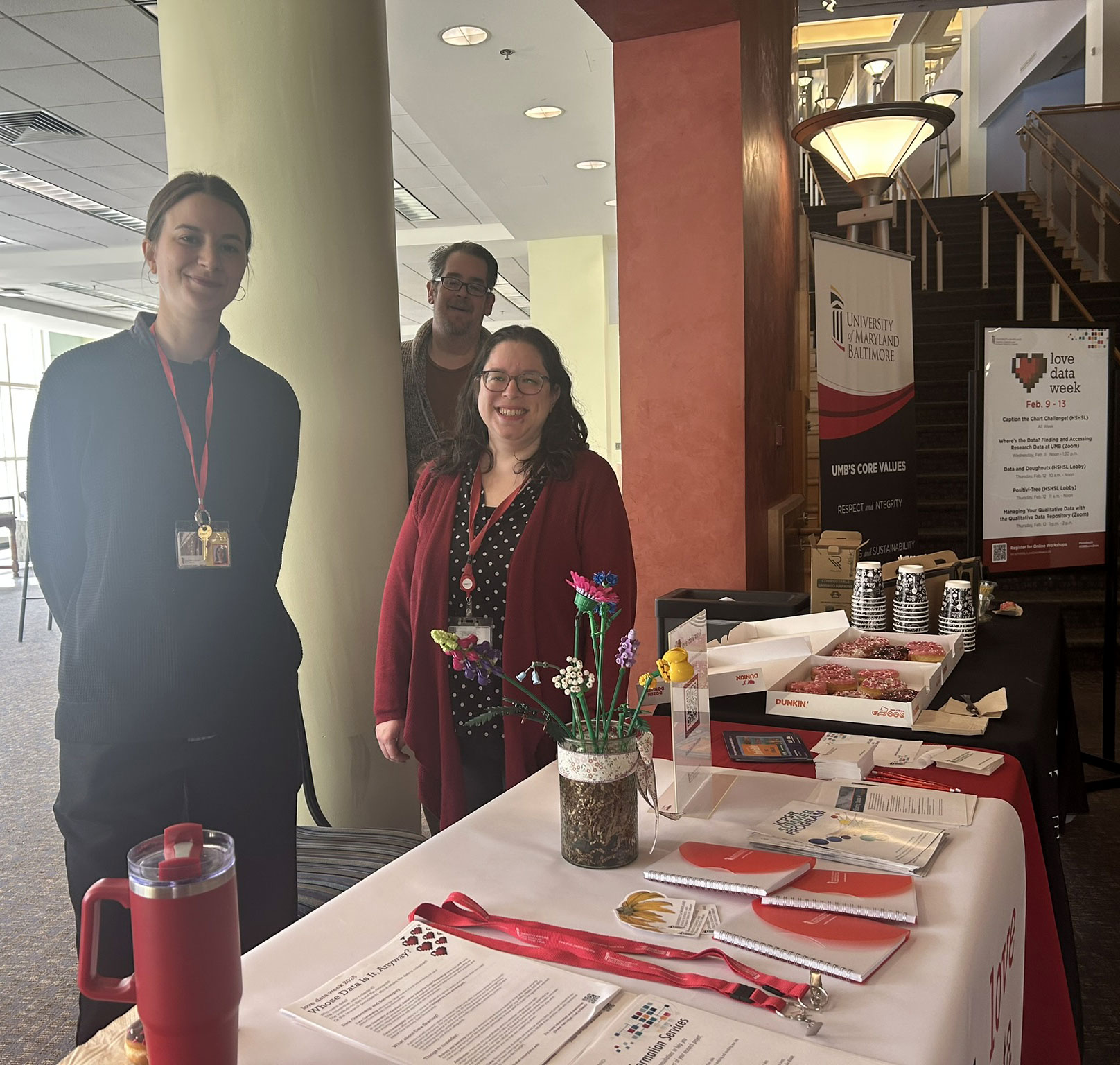
The seventh annual Love Data Week was held February 9 to 13.  To celebrate this year’s theme – “Where’s the Data?” – the HSHSL hosted two virtual sessions focused on data resources available to the UMB community. Guest speakers included Dr. Eberechukwu Onukwugha of the School of Pharmacy, Wanda Hill from the UMB Institute for Clinical and Translational Research (ICTR), and Dessi Kirilova from the Qualitative Data Repository. The recordings of these sessions, along with previous Love Data Week events, can be found on the HSHSL Love Data Week YouTube Playlist.

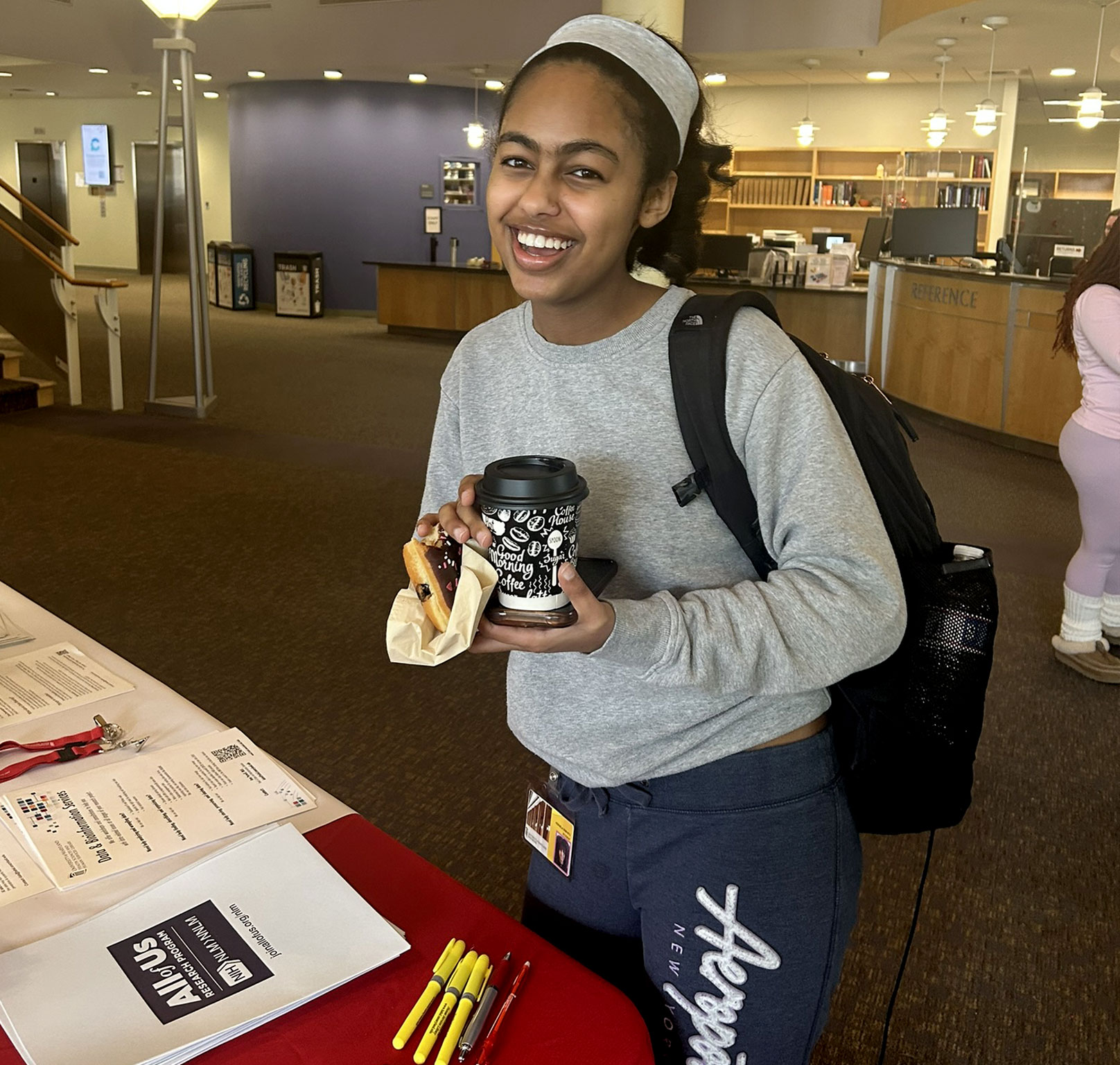
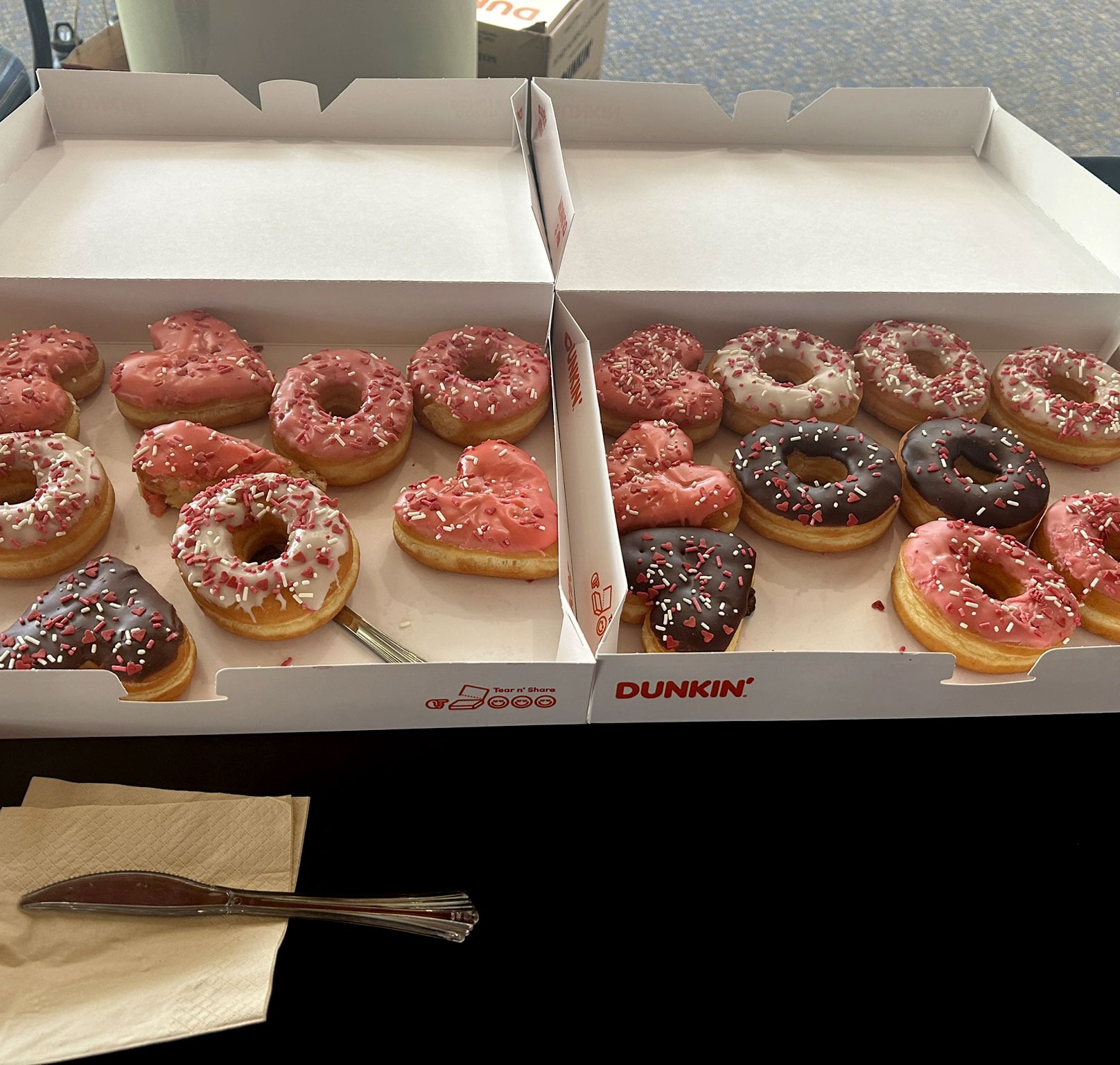
In addition, HSHSL visitors were encouraged to add creative captions to charts and graphs hanging up in various spots throughout the building. To wrap up the week, more than 100 people stopped by our Data and Donuts table for some seasonal Dunkin Donuts treats, library swag, and information about the HSHSL Data and Bioinformation Services department.

Student holding a coffee and donut, standing by a table with papers and highlighters in a library setting.
Various heart-shaped and circular donuts with colorful glazes and sprinkles in two Dunkin' boxes.
Three people standing behind a booth with promotional materials and donuts at an indoor event.

NNLM Region 1 Updates and Upcoming Training Opportunity

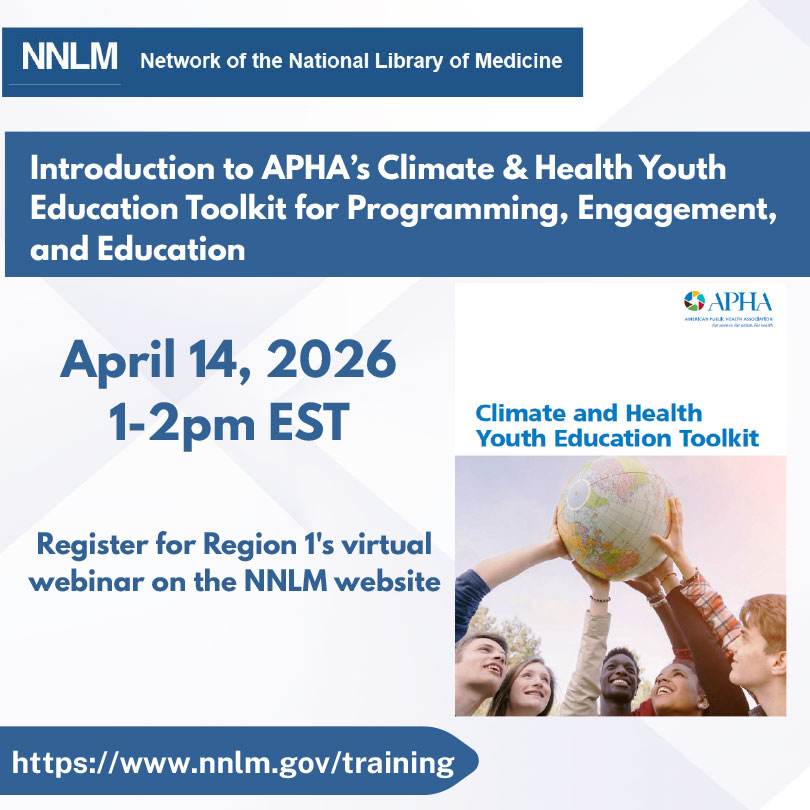
Webinar promotion for Introduction to APHA's Climate & Health Youth Education Toolkit on April 14, 2026.

The Network of the National Library of Medicine (NNLM) Region 1 and the NNLM Web Services Office (NWSO) are planning to enter an extended Year 5 period through April 2027. To support this continuation, NNLM Region 1 and the NWSO have applied for an administrative supplement that would extend our work beyond the current April 30, 2026, end date.

If approved, this extension will allow NNLM Region 1 to continue providing training, outreach, and engagement opportunities for members and stakeholders throughout the region. The NNLM Web Services Office will also continue supporting NNLM Regional Offices and Centers by maintaining key web services and digital infrastructure for the network.

As part of these ongoing efforts, NNLM Region 1 will host an upcoming webinar in April, often recognized as Earth Month:

Introduction to APHA’s Climate & Health Youth Education Toolkit for Programming, Engagement, and Education April 14, 1:00 PM (ET)

This webinar will introduce participants to the American Public Health Association’s Climate & Health Youth Education Toolkit and explore ways it can be used for programming, community engagement, and educational initiatives. Participants can earn one continuing education credit for Certified Health Education Specialists (CHES) awarded by the National Commission for Health Education Credentialing, Inc.

We look forward to continuing the work of the NNLM and supporting our members and partners through 2027!

HSHSL Marks Completion of Restroom Renovation Project

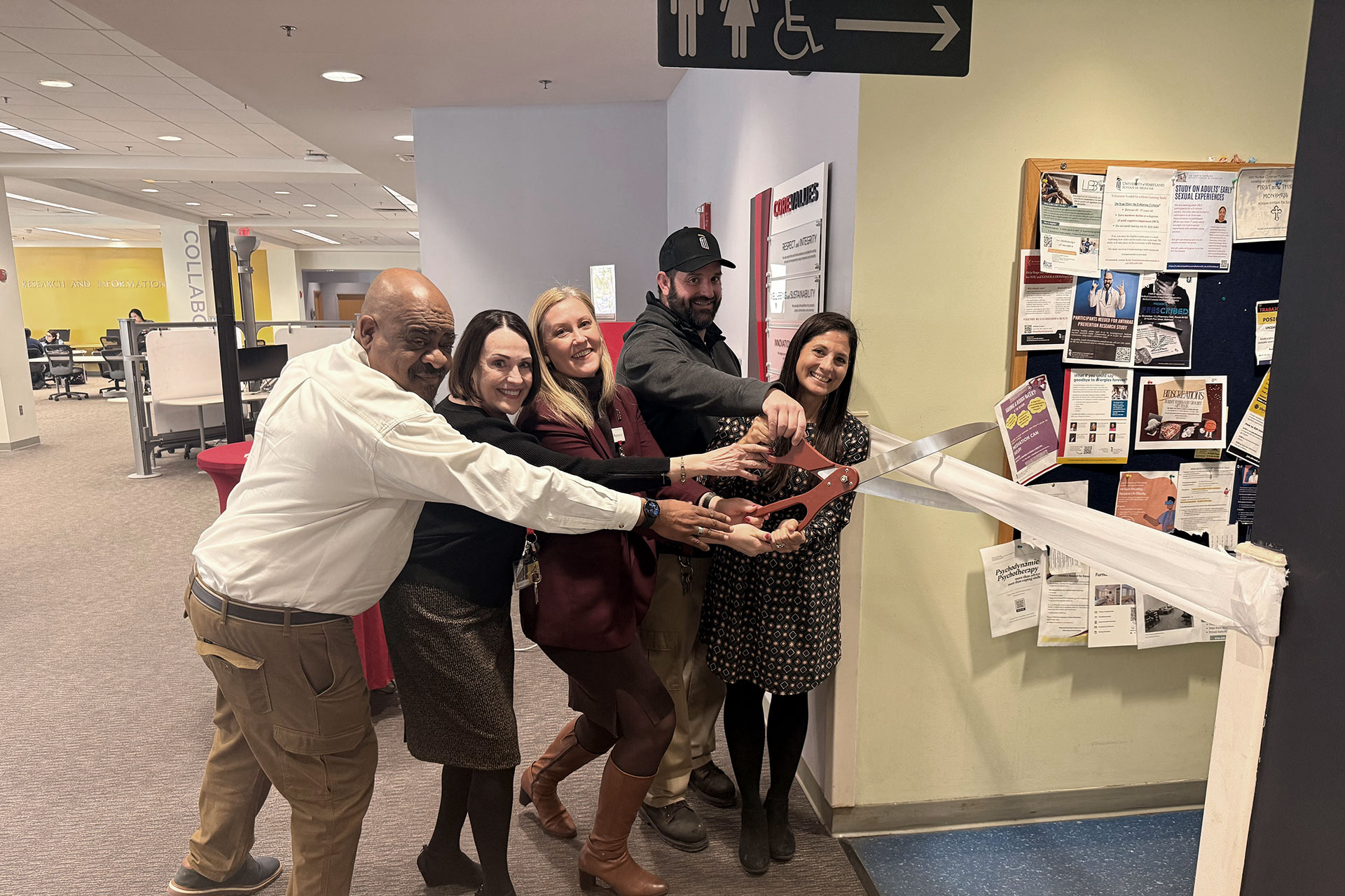
Five people cutting a white ribbon with large ceremonial scissors in a building corridor.

The Health Sciences and Human Services Library (HSHSL) celebrated the completion of its building-wide Restroom Renovation Project with a tissue cutting ceremony on Dec. 9, 2025, marking the culmination of a yearlong effort to enhance facilities throughout the Library.

The project, which included renovations to all restrooms in the building, was completed on time and under budget. The upgrades reflect HSHSL’s ongoing commitment to maintaining modern, welcoming, and functional spaces that support the University of Maryland, Baltimore community.

Dean Emily Hurst gave special recognition to UMB Facilities Operations & Maintenance project managers Daren Lewis and Lucas Noppenberger for their leadership and coordination throughout the project. Dean Hurst also acknowledged the work of Linda Wise, assistant dean for Administration & Operations, Jerry Anthony, facilities & operations specialist and Patrick Williams, facilities & operations coordinator, who led the effort on behalf of the Library.

The ceremony provided an opportunity to thank the many individuals whose collaboration and dedication made this important improvement possible.

HSHSL and UMB USGA Partner to Provide Free Period Products for Students

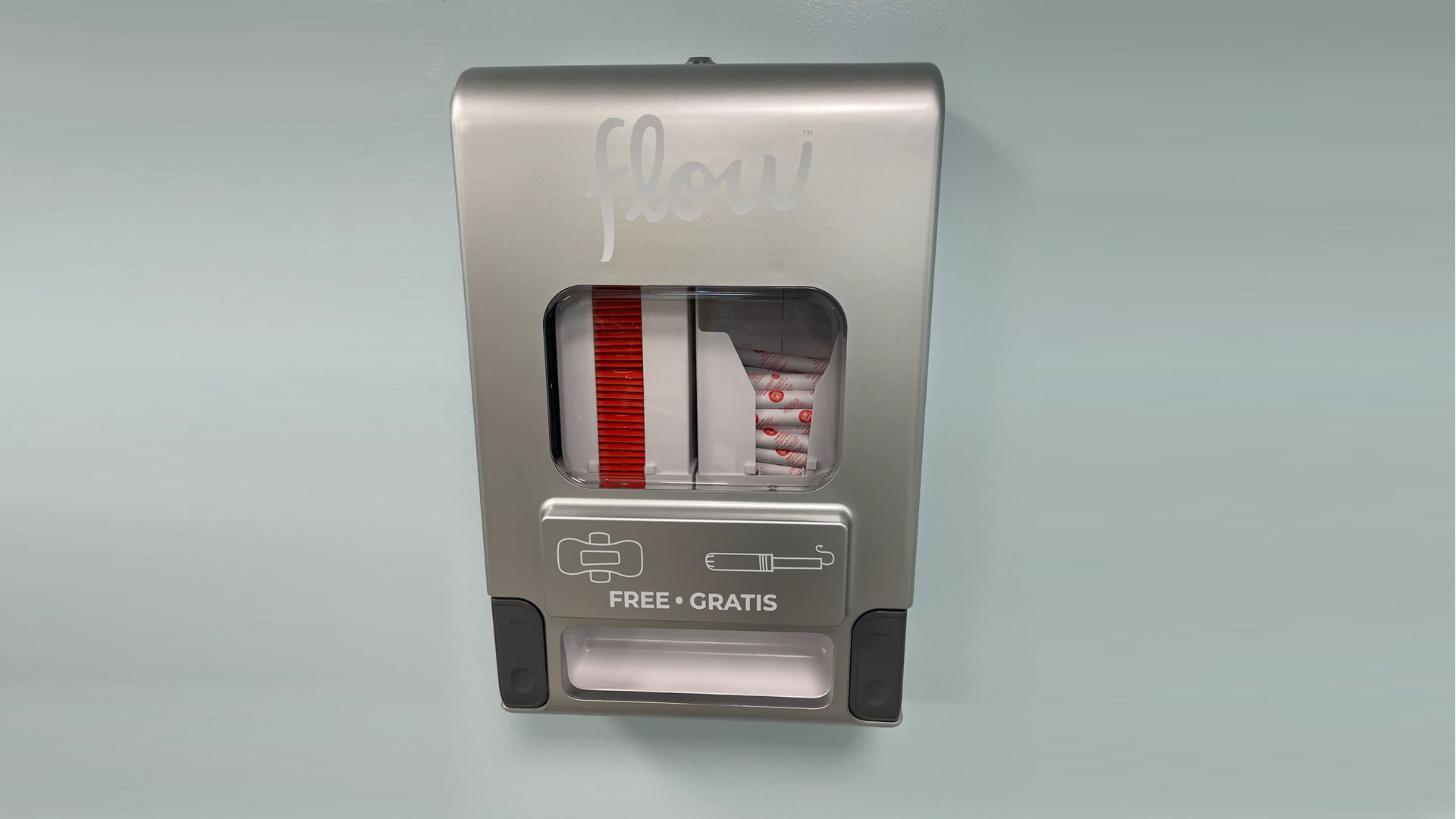
Silver feminine hygiene dispenser with FREE - GRATIS label on a light blue wall.

The University of Maryland, Baltimore (UMB) Health Sciences and Human Services Library (HSHSL), in partnership with the University Student Government Association (USGA), is pleased to announce the availability of free period products for students at the HSHSL.

Funding for this initiative is shared between HSHSL and USGA, reflecting a collaborative commitment to advancing student wellness and campus inclusion. Beginning this month, period products will be available at no cost in the following locations:

  • First floor women’s restroom
  • Fifth floor women’s restroom
  • First floor all-gender restroom

The initiative was developed through conversations and a commitment between student leaders and HSHSL administration to address a basic need that directly impacts student success. By removing financial and access barriers to essential products, HSHSL and USGA aim to foster a more inclusive and supportive campus environment.

HSHSL and USGA are proud to collaborate on initiatives that advance access, wellness, and student-centered support across UMB.

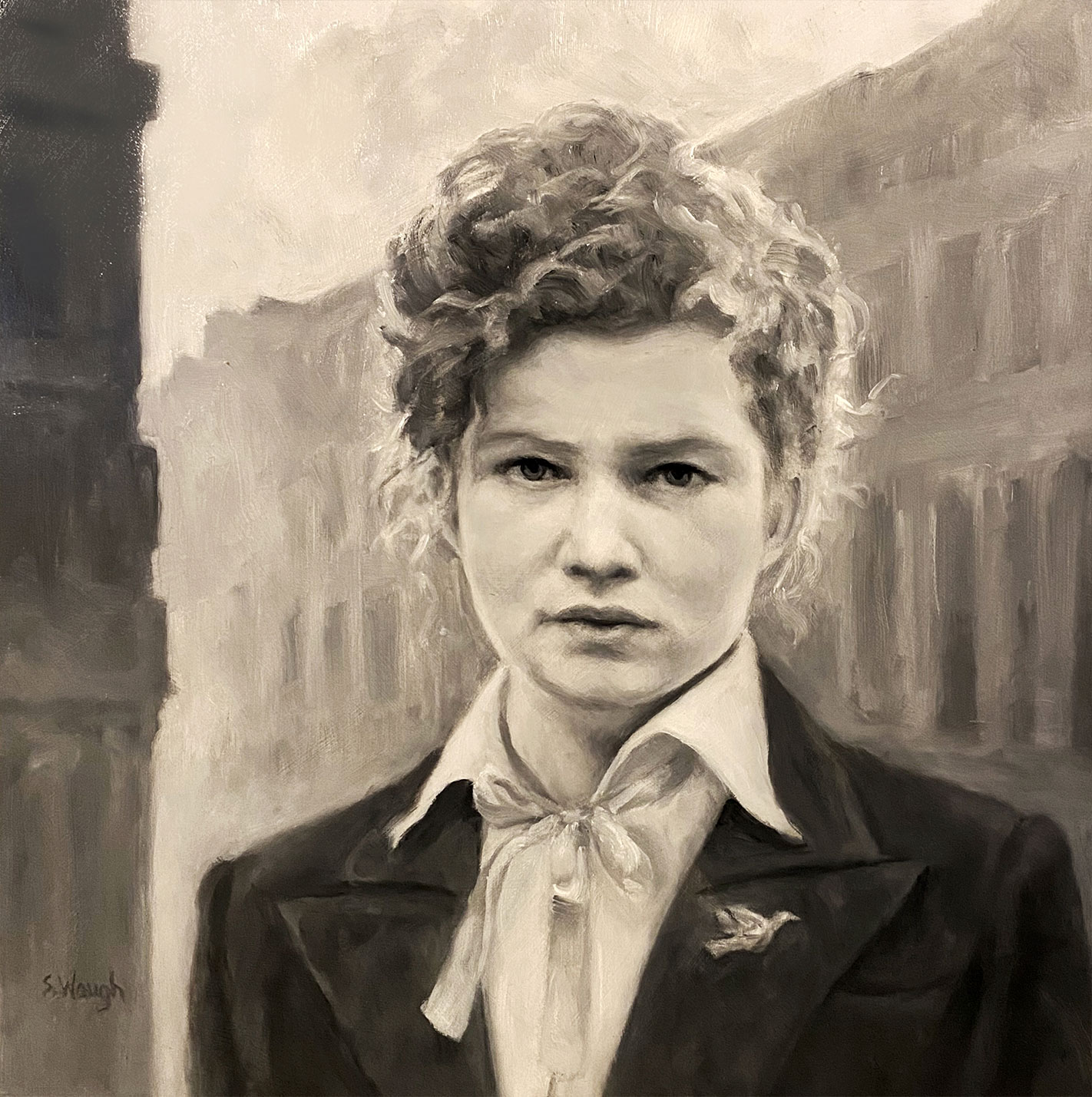
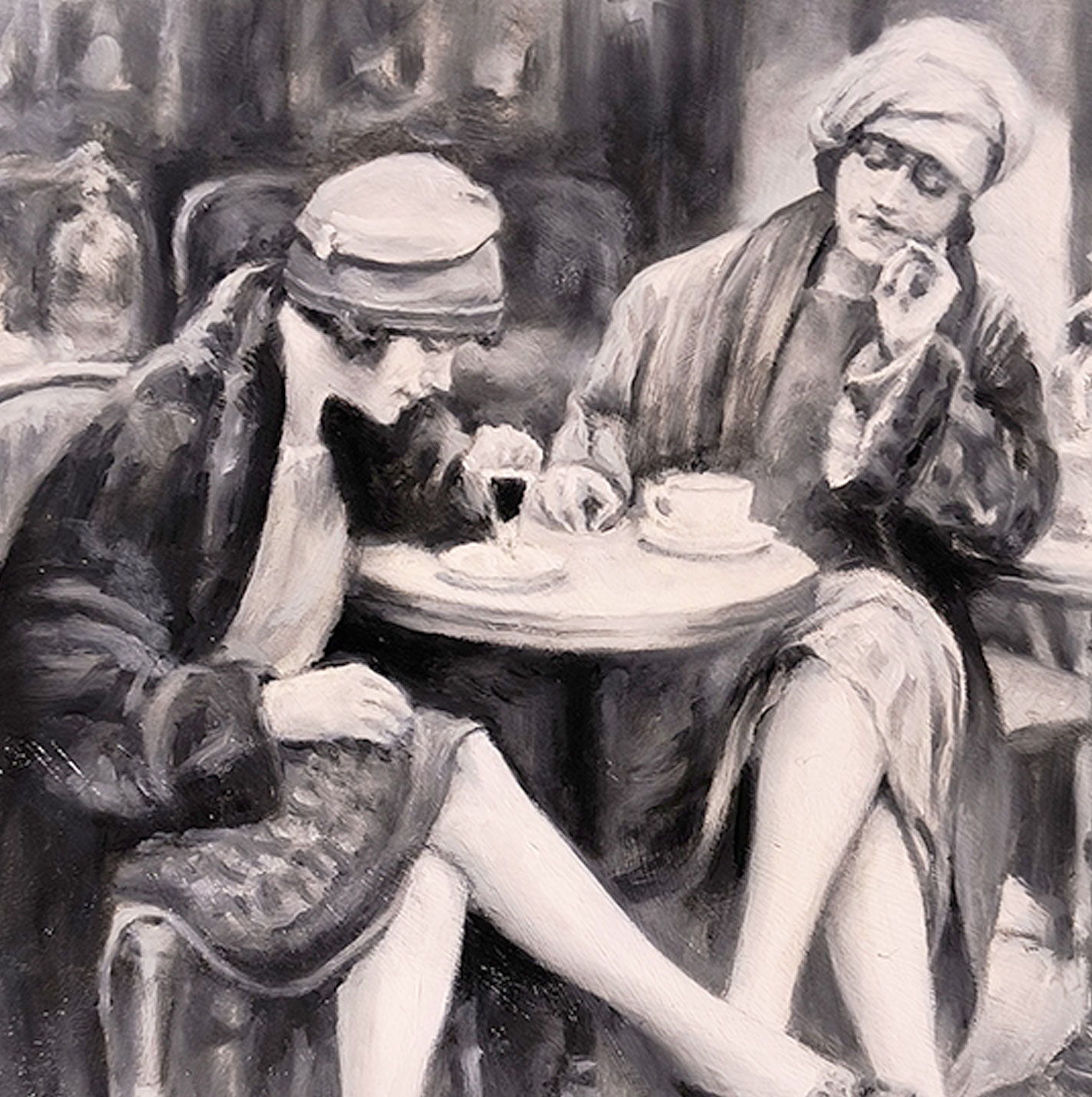
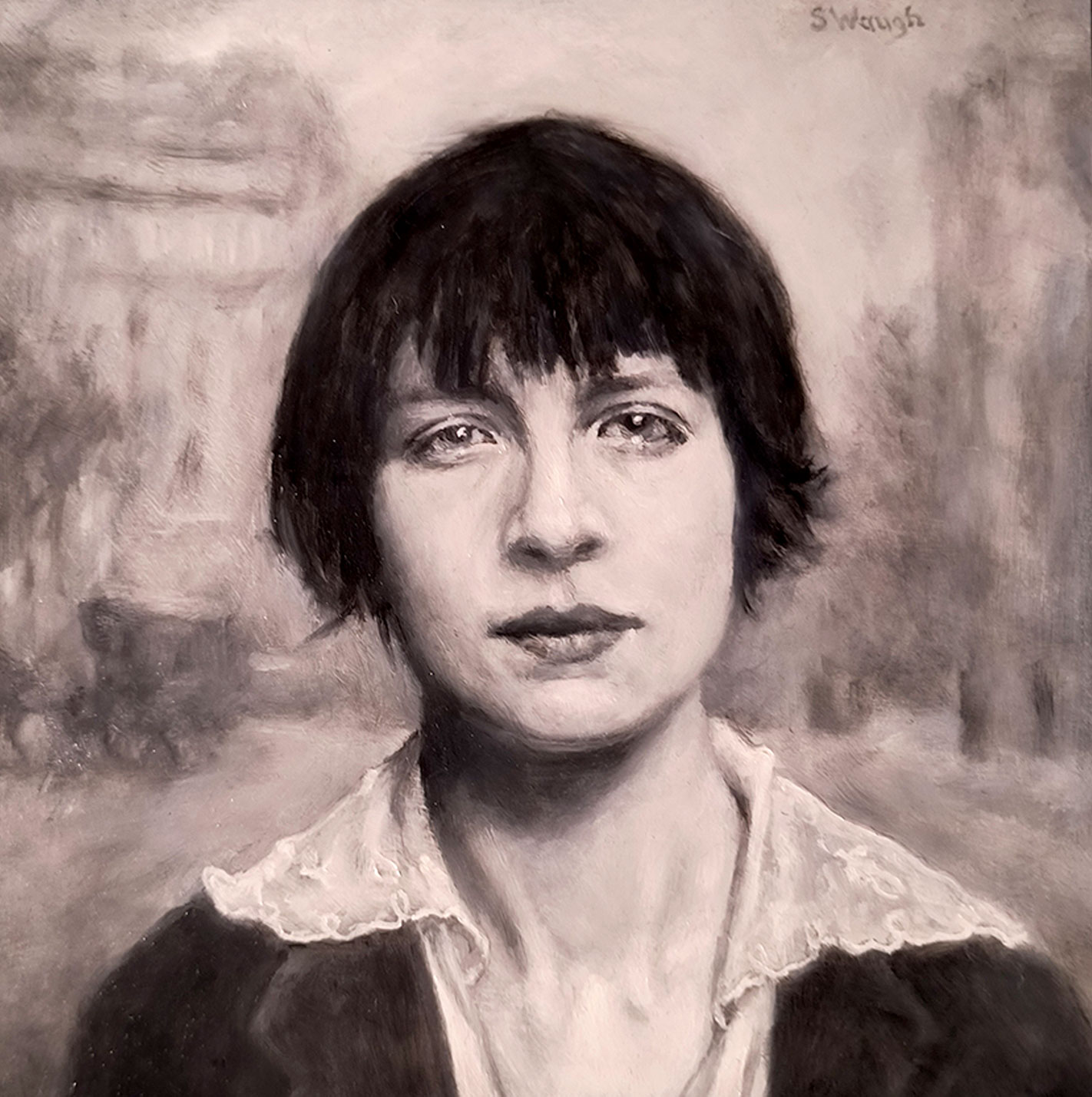
Steven Waugh: Darkness and Light

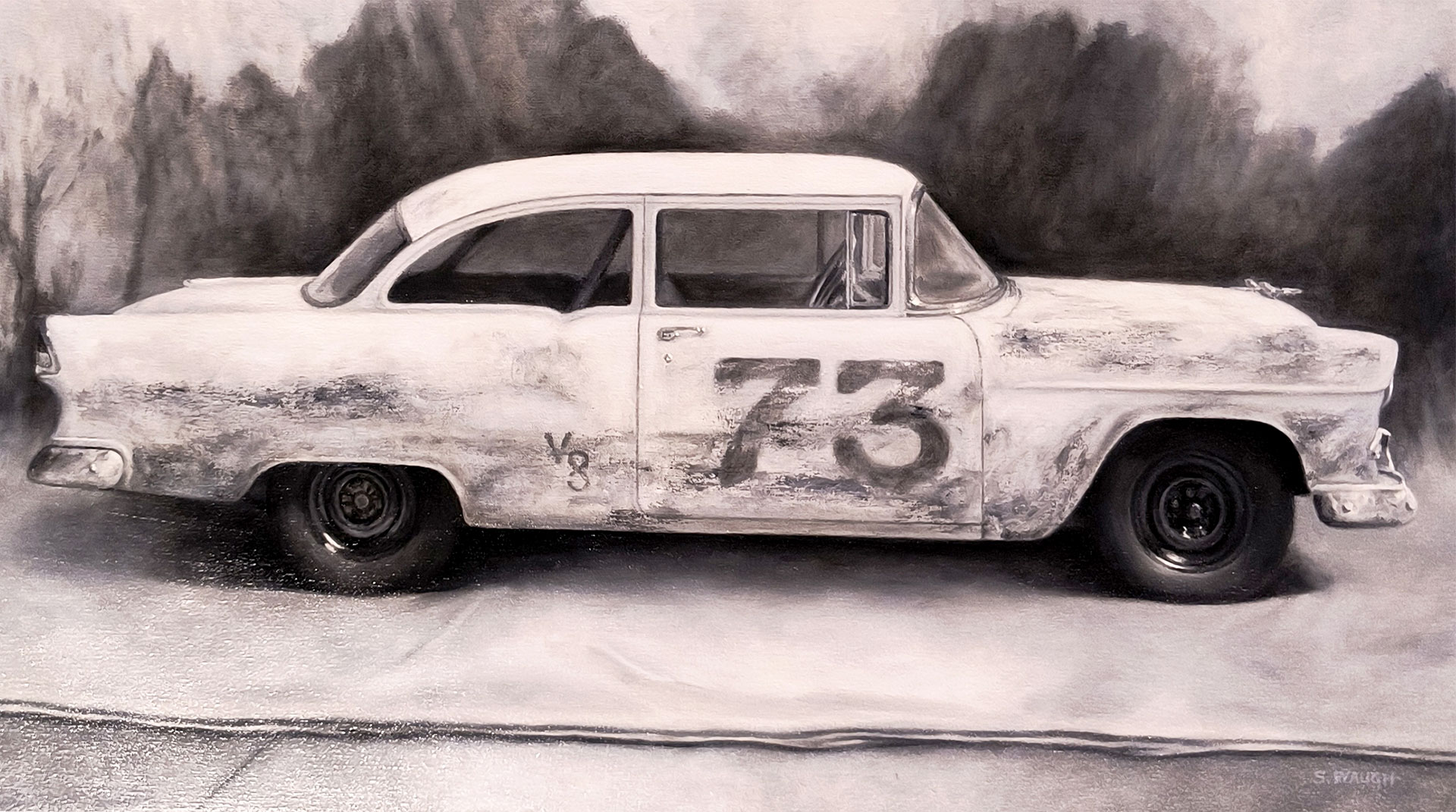
Black and white artwork of a vintage car with the number 73 on the side, parked on a road with blurred trees in the background.

HSHSL’s Weise Gallery is hosting the exhibit “Steven Waugh: Darkness and Light” March 28 – May 15, 2026. Steven Waugh is a self-taught painter from Baltimore whose work has been exhibited at the Corcoran Gallery of Art and the Baltimore Museum of Art. The black and white oil paintings that Waugh creates feature classic cars, objects from nature, and portraits of movie stars from the 1920s. Waugh states, “At times, it feels like color detracts from the reality of the subject in a drawing, painting or photo. There is a depth of richness in the contrast.” Through his attention to contrast and detail, Waugh hopes to capture “a defined moment in time and place.”

The HSHSL will be hosting a reception for “Steven Waugh: Darkness and Light” in May.

Weise Gallery Logo

Black and white painting of a young person in a suit and scarf, in an urban background.
Two women sitting at a cafe table in a black and white painting.
Grayscale portrait of a person with short dark hair against a blurred urban background.

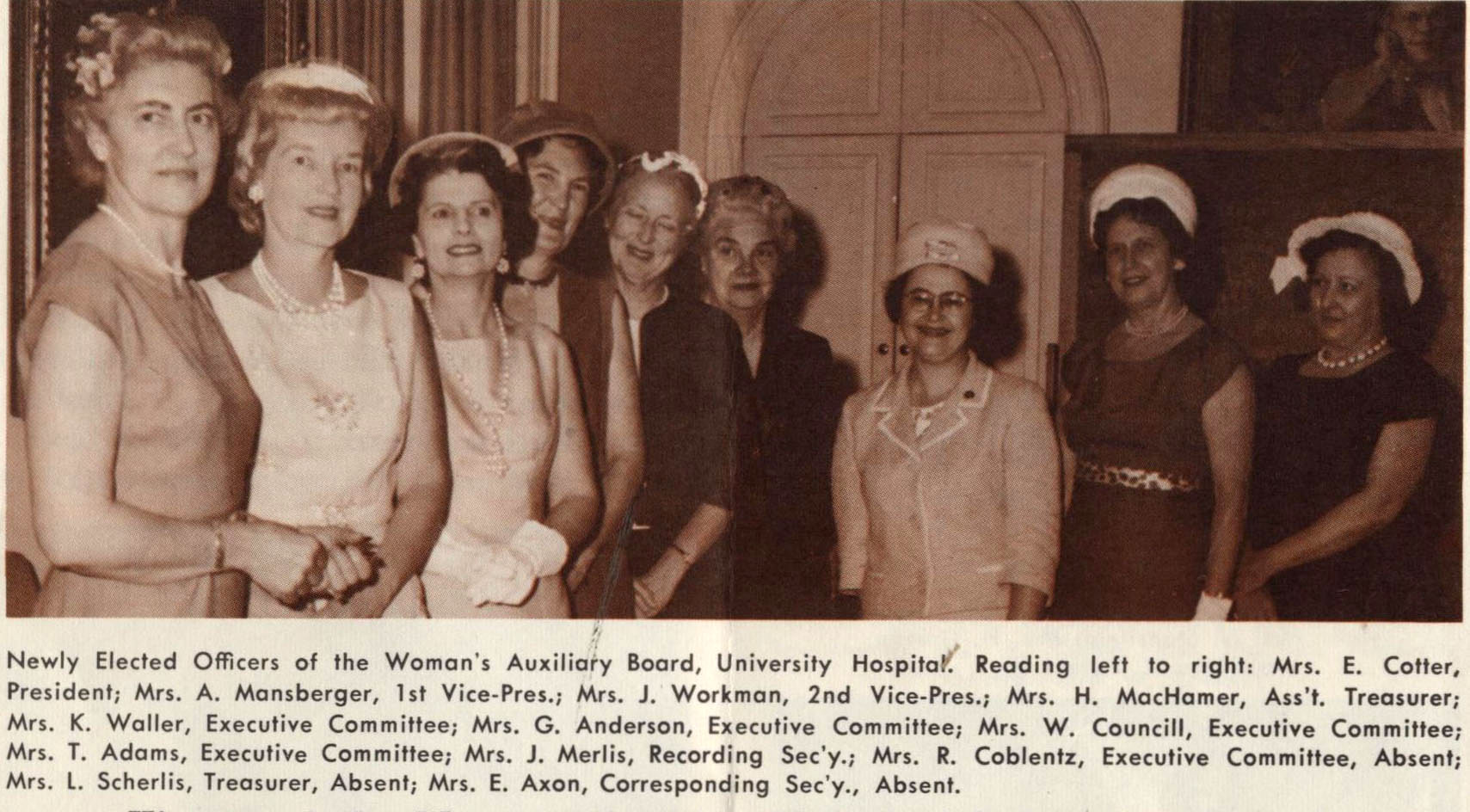
Celebrating Women’s History Month with the Women’s Auxiliary Board of the University of Maryland Hospital

Newspaper clipping of a photograph of newly elected officers of the Woman's Auxiliary Board at University Hospital posing indoors in formal attire, with women standing in a line. The caption lists names and roles, highlighting leadership positions such as president, vice-president, and various committee chairs, indicating a formal group portrait commemorating their election.

Every March, women’s contributions to history are celebrated in the United States. Women’s history at the University of Maryland, Baltimore is complicated as each school began accepting women as students and employing women as educators at different points. The School of Dentistry was the first to graduate a woman, Emilie Foeking, in 1873. In 1889, the University Hospital, predecessor of the UM Medical Center, opened a Training School for Nurses, with the first class graduating in 1892. In 1898, the School of Pharmacy graduated its first woman, Lady Mary Johnson. While women were not attending UMB schools in droves in the first 100 years of its existence, there was a group of women who influenced UMB’s history prior to the turn of the 20th century. That group was the Women’s Auxiliary Board (WAB) of the University Hospital.

The Women’s Auxiliary Board of the University Hospital traces its history back to 1887, when physicians suggested that women volunteers could help with the “domestic administration” of the Lying-In hospital, which at the time was across the street from the main University Hospital and specialized in maternity care. As a result, women started volunteering at the hospital; they cleaned, laundered linens, and oversaw hospital supplies. At a School of Medicine (UMSOM) faculty meeting in 1889, Professor Julian J. Chisolm suggested the women volunteers of the Lying-In hospital be formally organized as the Board of Lady Managers. The Board replaced the Sisters of Charity, a group of nuns who were under contract in the Lying-In hospital until Dec. 15, 1889.

In 1890, the Women’s Auxiliary Board of Lady Managers was officially founded, under the leadership of Miss Susan Williams. The group was composed of Baltimore socialites and doctors’ wives. At the time, being a doctor’s wife was considered a symbol of great status; many girls dreamt of being doctors’ wives. Some girls, raised with this future in mind, learned how to host parties, fundraise, and otherwise prepare for the volunteering commitment typically expected of doctors’ wives. Most of the women of the WAB were unpaid for their contributions to healthcare and the advancement of medicine.

This board was the first hospital auxiliary in the state of Maryland and, perhaps, the country. Initially, the women were tasked with performing the domestic duties of the hospital as well as uplifting the spirits of patients. Almost immediately, however, the board became a major fundraiser for the University Hospital, holding its first benefit concert Dec. 15-17, 1891. Other fundraising events included card parties, luncheons, dinner parties, and dances as well as annual rummage sales and fashion shows. Proceeds from these events supported the purchase of small items like linens, dishware, nightgowns, beds, and electric fans for the comfort of patients, as well as the purchase of large, expensive medical equipment and additions to the building. In the 1920s, the need for a new hospital building was acutely felt and the University president, Dr. A.F. Woods, approached the board to ask for their help in lobbying the Maryland legislature for funds. Through the Board’s help, construction of the new hospital began in 1933. In 1965, the board was able to purchase an audiometer respirator to donate to the University Hospital, and in 1969, the women of the board fundraised and were able to donate $20,000 to the University Hospital to purchase equipment for the new shock trauma unit.

Throughout its history, the group also ran a small lending library (started with 800 books in partnership with the Enoch Pratt Library), a gift shop, and café. In addition to fundraising responsibilities, members of the board were required to pay dues ($2 from 1890 to 1921), to visit patients, and to support the nurses and physicians in the hospital. In 1959, the WAB organized teenagers to work as candy stripers in the hospital; the teens—both boys and girls—helped deliver meals, assisted with patients, and performed basic clerical duties.

Through the efforts of Florence M. Tyson (then organizational president), Grace V. Buckingham, Millicent Gear Edmunds, and Alice B. Matthai, the organization was incorporated in August 1919 as the Woman’s Auxiliary Board of the University Hospital of Maryland, Inc., and received tax exempt status. The name was again changed in November 1975 to The Auxiliary of the University of Maryland Hospital. Membership dwindled in later years, and the organization was ultimately dissolved by Lorraine Fiset in 1999.

When the Board disbanded, its records were transferred to the Historical Collections Department of the Health Sciences and Human Services Library. The collection has since been digitized and is available in the UMB Digital Archive. Additionally, the physical collection has been processed and a finding aid is available online for researchers to understand the provenance and use of the collection.

While the women of the board were not medical professionals, this collection still provides a useful lens for us to understand women’s influence on medicine. The Board, through fundraising and organizational support, influenced the services the University Hospital could provide. This collection, spanning nearly 100 years, helps to fill a void in the history of medicine. For any questions about the collection, please contact Tara Wink, Historical Collections librarian and archivist.


Employee News

Hiring News

Sam Ingram

Sam Ingram joined the NNLM Region 1 office in March 2026 as a budget analyst. Sam will be instrumental in the financial operations for Region 1 and NWSO, helping to ensure compliance with University and federal standards. Having worked previously at Johns Hopkins University School of Public Health, he brings strong experience in finance and budgeting, including federally funded projects.

Ruby Maghoney, MLIS

NNLM Region 1 welcomed Ruby Maghoney, MLIS, as a library specialist in December 2025. Ruby will be instrumental in supporting Region 1’s work in outreach, training, and funding. She brings a variety of experience in public service from her previous positions at the Baltimore Museum of Industry, the National Aquarium, and public libraries in Alabama.

Presentations

Dennis Nangle, MLS, participated as a panelist in the session “The Fund(er) Gap: Making Sense of Federal Layoffs and the Impact on University Libraries” at the NISOplus Annual Conference, 2026, Baltimore.

December 2025 – Volume 20 – Number 1

Good Luck with Finals and Happy Holidays!

Dean’s Message

Emily Hurst
Emily Hurst, Associate Vice Provost and Dean, HSHSL

As the semester draws to a close, the Health Sciences and Human Services Library (HSHSL) is humming! Over the last months I have been working with HSHSL leadership, librarians, and staff to complete the FY25 HSHSL annual report. This report will be forthcoming and shared on our website as well as through the next “Connective Issues” edition. As a preview of the annual report, I would like to share some of the data that we will include:

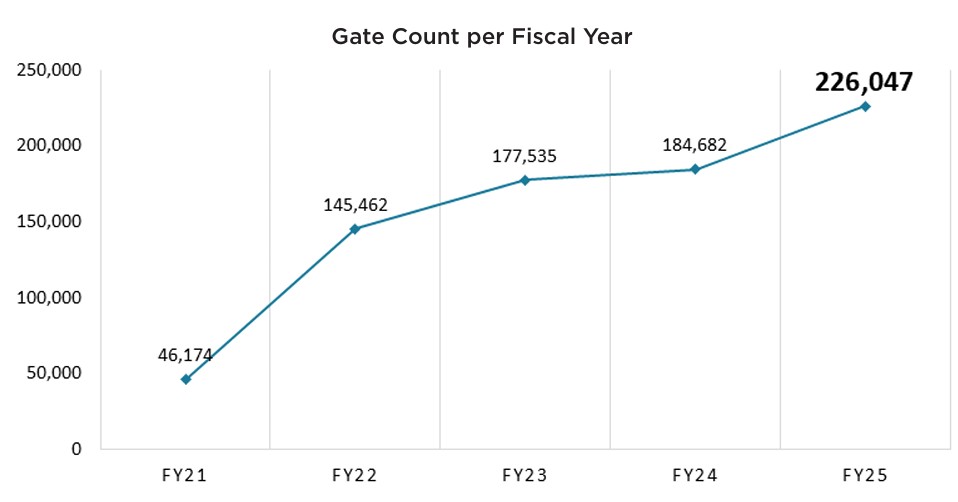
Gate count is an indicator of how many people are coming into the building. We have continued to see increases in the number since 2020 but FY25 (July 1, 2024 – June 30, 2025) saw a marked increase of 22% from 184,682 in FY24 to 226,047 in FY25. Gate count includes anyone coming into the HSHSL building. While our space is shared with other units, we are pleased to see the increase, an indicator that students, faculty, and staff are using spaces within the building.

Gate Count Chart

Reference consultations or reference transactions are defined by the Association of Academic Health Sciences Libraries (AAHSL) as “a one-on-one information contact that involves the knowledge, use, recommendation, interpretation, or individual instruction in the use of one or more information resources by a member of your library’s staff.” Information Services staff and Research and Education librarians are highly engaged in supporting users and tracking reference transactions. In FY25, the HSHSL saw a 97% increase in recorded reference transactions from 3,825 recorded in FY24 to 7,560 recorded in FY25. Data in this area has been tracking upward since FY21.

I am proud to see more users coming into the HSHSL and more users interacting with our librarians and staff for their reference and research needs.

Also of note, the HSHSL restroom renovation project is nearing completion! We are on track to complete the work in early December. If you plan to be at the HSHSL on Tuesday, Dec. 9, from 10 – 11 a.m., we invite you to visit the restrooms on the first floor for our “tissue cutting” and open house event. Special thanks to Linda Wise and Jerry Anthony for their work in keeping this project on track, and to the UMB Facilities and Operations team for all they did to bring this project in on budget and on time.

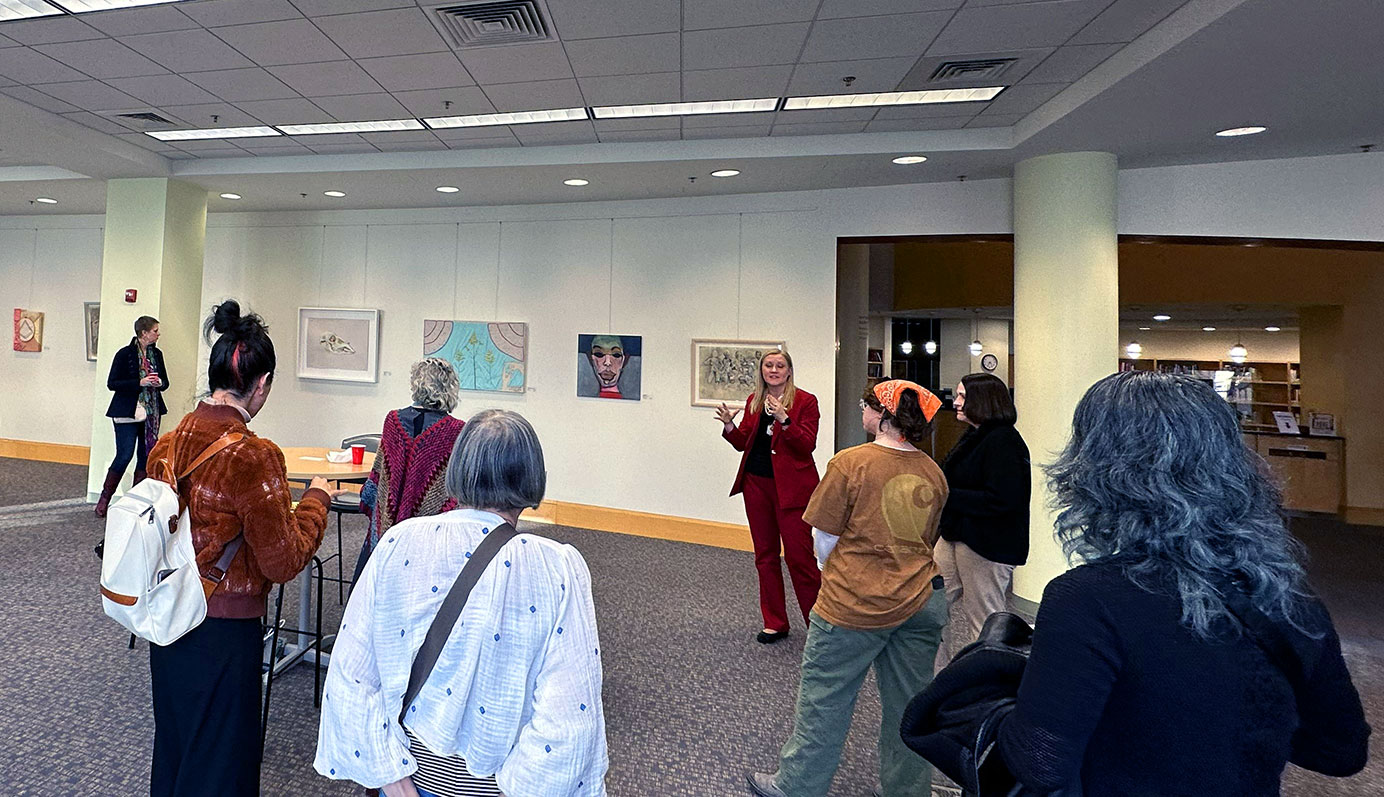
In October I was pleased to welcome the local Goxxip Girl Art Collective to the Weise Gallery. This exhibit was on display from Sept. 15, 2025 – Nov. 7, 2025, and the Oct. 22 reception welcomed many of the artists to the space to share and discuss their work. I enjoyed meeting with the artists and learning about their inspiration and process.

Emily Hurst Addressing Attendees at the Goxxip Girl Exhibit

Emily Hurst Addressing Attendees at the Goxxip Girl Exhibit

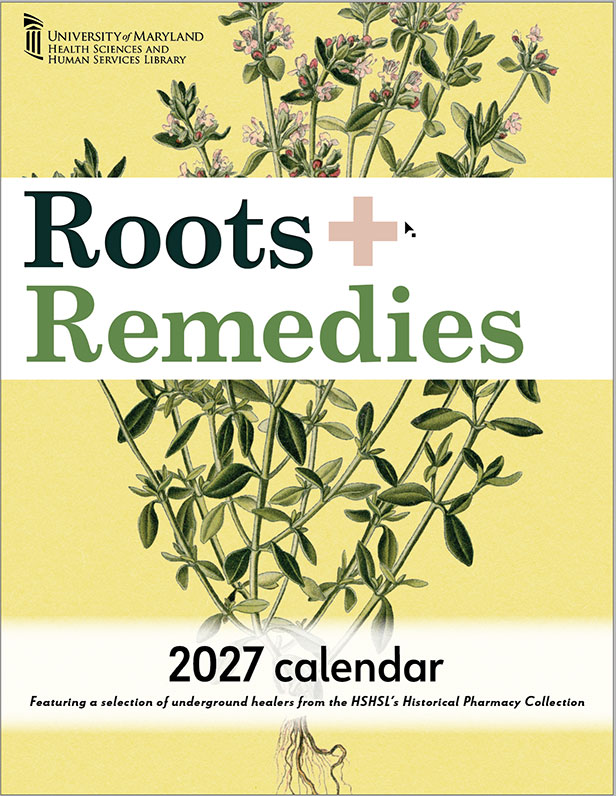
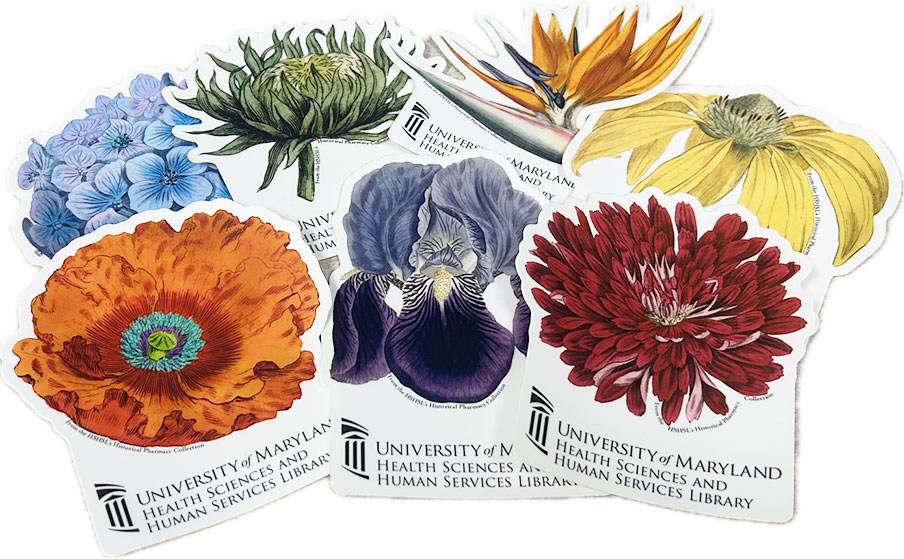
As a reminder, the HSHSL 2026 calendar would make a great holiday gift! This year we are also selling sticker four-packs of stunning botanicals featured in last year’s calendar. Visit us online to purchase. All orders must be picked up at the HSHSL Information Services desk.

As we move into the holiday months, I would like to wish everyone a very safe, happy, and healthy holiday season.

Your Ideas Are Helping Us Transform the First Floor

The HSHSL first floor

Your voice really made a difference. Over the past month, you shared your ideas through our survey and the easel boards on the first floor. We also heard thoughtful feedback from the HSHSL Student Advisory Board. Students, faculty and staff across campus helped us understand how you use this space and what would make it even better.

Your feedback covered everything from seating and study zones to tech needs and the leisure reading area. These insights will help us create a first floor that feels more comfortable, useful and welcoming for everyone who studies, collaborates or just takes a break here.

Thank you for taking the time to share your thoughts. We’re excited to dig into your ideas and keep moving this project forward. Stay tuned for updates as we take the next steps to refresh this space together.

Consensus Trial Coming Soon!

Consensus Logo

The HSHSL will launch a yearlong premium trial of Consensus, an “AI-powered search engine for scientific research papers.” Consensus uses large language models to search, analyze, and summarize research findings. It is designed to make it easier to explore topics, compare studies, and understand the current state of evidence.

The free trial, organized by the HSHSL, will begin in January 2026. Details on how to access the trial will be shared at the start of the new year. Stay tuned for more information on how you can try out this emerging tool and share your feedback.

Strategic Stewardship for UMB’s Scholarly Future 

Dennis Nangle
Dennis Nangle, MLS

Hello, UMB community!

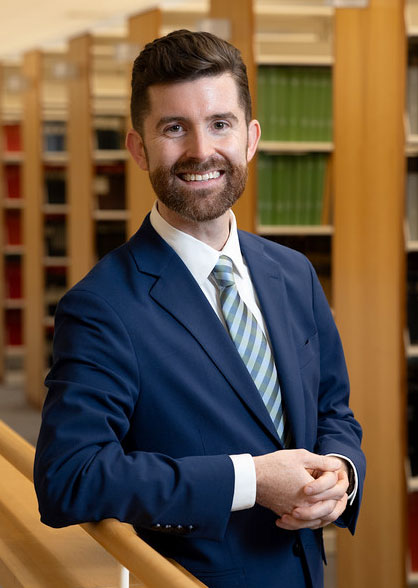
I’m Dennis Nangle, your new assistant dean for Resource Development and Access. Since stepping into this role earlier this fall, I’ve had the privilege of working alongside the talented teams that steward our collections, metadata, and historical resources. As we enter this season of gratitude, I can’t help but offer my thanks to the HSHSL team for their warm welcome. Their dedication and expertise have made my transition both energizing and inspiring. I’m grateful to take part in HSHSL-wide efforts to enhance access, deepen engagement, and meet the evolving needs of those we serve.

In leading the Resource Development and Access Division (which includes Collection Management and Sharing, Historical Collections, and Repository and Metadata Management), I’m committed to advancing the HSHSL’s mission to support UMB’s academic, clinical, and research excellence. My vision centers on strategic stewardship of our physical and digital collections, and elevating the visibility and long-term preservation of UMB’s scholarly and institutional legacy. I look forward to collaborating with students, faculty, and staff to ensure our resources and services reflect the vibrant, innovative spirit of our University.

I’d love to hear from you. Whether you’re navigating a research project, preserving scholarly work, compiling your department’s historical records, or exploring ways to make your scholarship more accessible, your insights can help shape how we support you. Don’t hesitate to reach out; I welcome your ideas, questions, and aspirations as we build an even more connected and responsive HSHSL. You can reach me by email.

NNLM Region 1 Awards Six New Projects to Advance Health Information Access 

NNLM

The Network of the National Library of Medicine Region 1 Office has awarded six new funded projects that continue to support the mission of the National Library of Medicine of equal access to biomedical information to help individuals make informed decisions about their health.

These projects support digital inclusion, student mental health support, rural professional education, environmental health, and cancer information access.

Enhancing Technological Infrastructure to Improve Health Information Access and Care Quality: Support for a technology upgrade to a youth group home to expand internet access, train staff and support residents in finding reliable health information.

Health Literacy in the Laundromat: A Place-Based Outreach Model: Bringing trustworthy health information directly to underserved families into community laundromats for health education and connection.

Access to Wellness Resources and Programs: Supporting 1st & 2nd Year Students: Expanding access to Providing wellness workshops specifically designed for first- and second-year college students, for mental health support and stress reduction.

Rural Waves: Broadcasting Health, Empowering Communities: Supporting the expansion of podcasting health information to rural healthcare providers, strengthening professional learning and community connections in underserved areas.

Connected Camden: Public Wi-Fi and Environmental Monitoring at Community Art Spaces: Installing Wi-Fi at arts-based nonprofits in two neighborhoods facing air-quality challenges to link residents to NLM health resources.

Improving Prostate Cancer Health Information Access for Rural Older Adults in North Carolina: Partnership with rural public libraries to to evaluate the usability of a digital prostate cancer information platform to help older adults access reliable cancer information and improve health literacy.

NNLM Region 1 Office provides outreach, training and funding to 8 regional states and the District of Columbia.

Boost Your Research Visibility: Add Your Datasets to the UMB Data Catalog

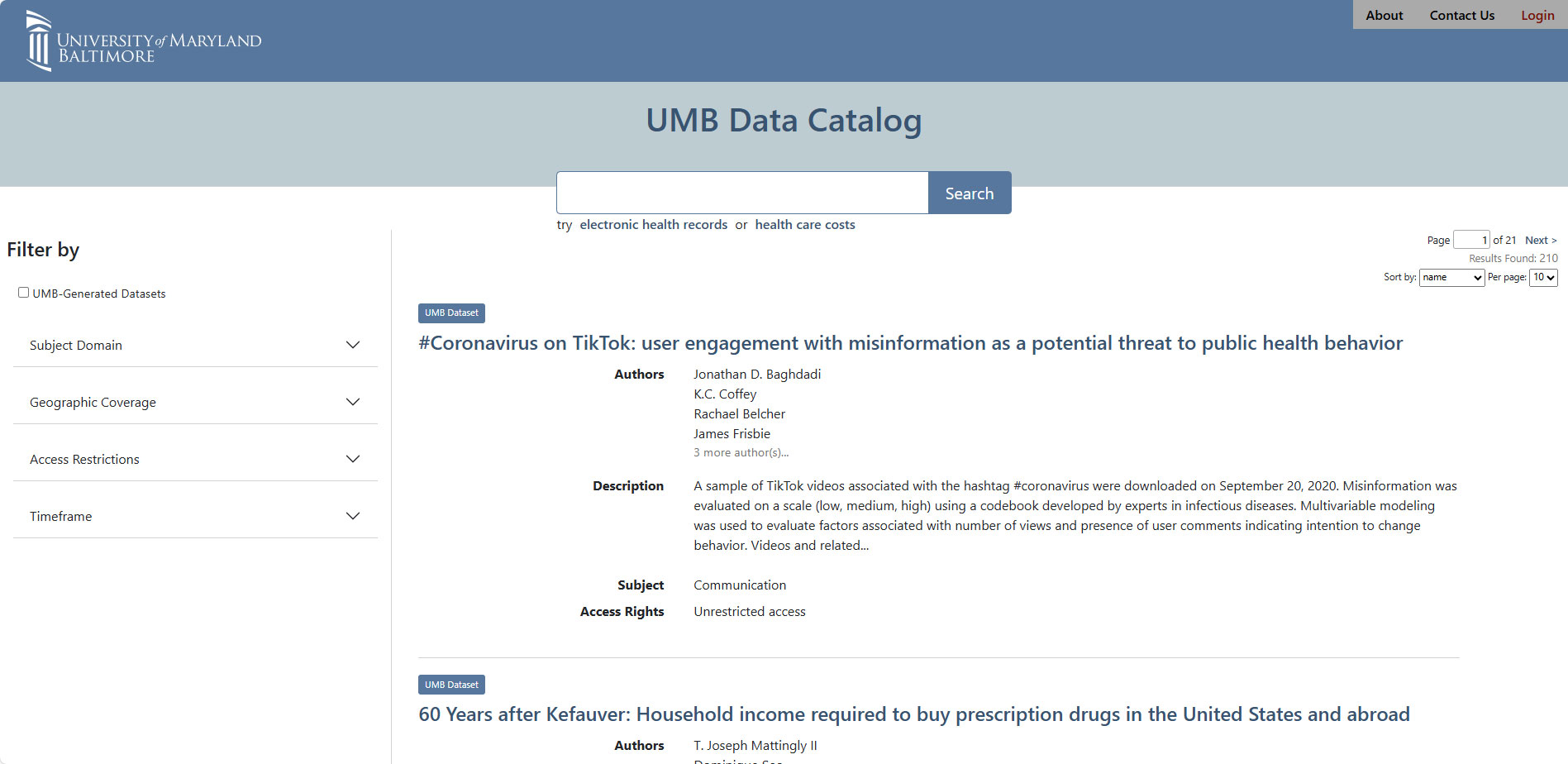
UMB Data Catalog

The UMB Data Catalog is a finding tool for discovering datasets generated by UMB researchers. If you have shared or published data (e.g. as part of funder or publisher compliance), the Data Catalog can help make your data more visible and findable for future use. This catalog provides information about datasets and how to access them but does not function as a repository to store data.

The UMB Data Catalog is designed to:

  • increase the visibility of research data generated by UMB researchers
  • facilitate interdisciplinary collaboration by identifying common research interests
  • support the process of data re-use and data sharing
  • share metadata about datasets that cannot be shared publicly due to ownership or privacy concerns

It’s now easier than ever to list your dataset in the catalog with the new Include Your Dataset form. You will be asked for author and affiliation information, a description of the data, associated publication(s) (if applicable), and instructions for accessing the data.

Link to your dataset record on your ORCiD profile, your CV, or grant reports (e.g. RPPR, final reports) to document your data sharing and let others know how to access your data.

To accompany the new submission form, we also put together the new UMB Data Catalog LibGuide, which provides more information about the catalog and what to know to submit your data! Please email us if you have questions.

December Hours

December Hours

Dec. 1, 2025 – Jan. 1, 2026

Monday – Thursday 6 a.m. – 11 p.m.
Friday 6 a.m. – 8 p.m.
Saturday – Sunday 8 a.m. – 8 p.m.

Exceptions to Regular Hours

Dec. 23, 2025 6 a.m. – 8 p.m.
Dec. 24, 2025 – Jan 1, 2026 CLOSED

Season for Giving

Photo of Wrapped Gifts

As we move into the end of the calendar year and a time of thanksgiving and gratitude, we at the HSHSL would like to share our work in creating opportunities for development and giving. Earlier this year, Anna-Marie Epps, senior program specialist in Administration and Operations, began working more closely with Dean Hurst to create a development plan for the HSHSL. Her work has included a review of all current endowments as well as previous donors to the HSHSL. She has met with various members of the UMB Office of Philanthropy to learn more about the opportunities to engage with potential donors and develop meaningful options for giving.

For readers who are interested in donating to the HSHSL, the library website offers several giving options. These endowments allow the HSHSL to provide support for library services, resources, and spaces. All donations are tax deductible.
Advancing Knowledge: Reflections on Open Access Week

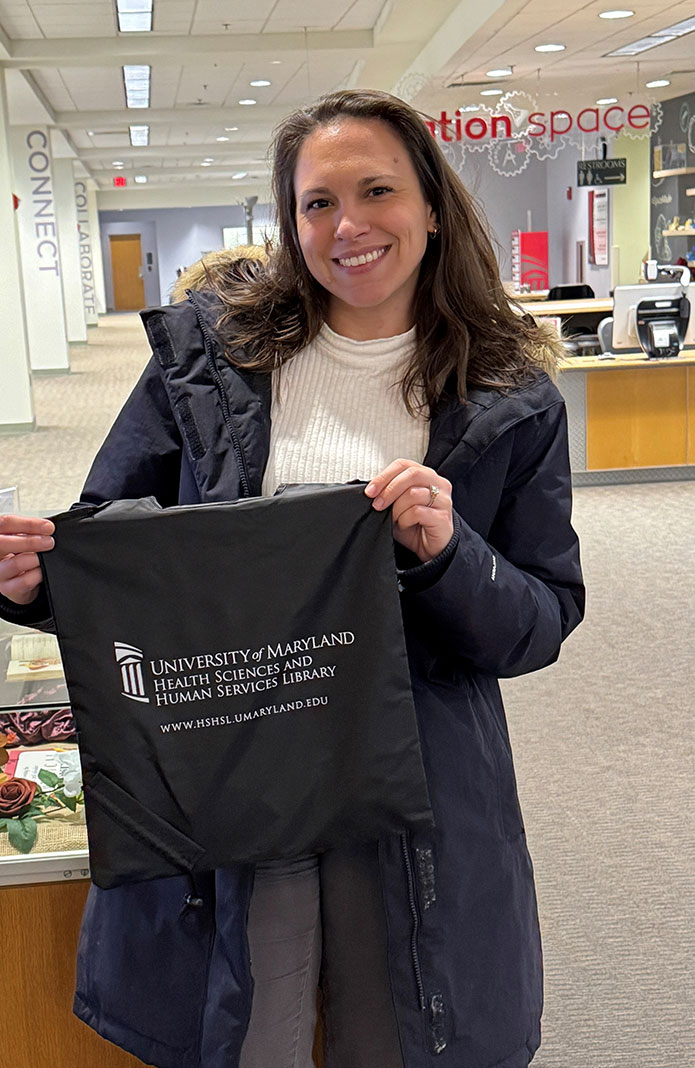
In October, the HSHSL celebrated International Open Access (OA) Week with a five-day challenge designed to educate researchers on different facets of open access. The challenge focused on improving the discoverability of scholarly work through brief but meaningful daily activities, including creating an ORCiD, locating OA journals, learning about repositories and data sharing, and utilizing MyNCBI.  A total of 74 people registered for the challenge, and we received some great feedback. One of our grab-bag winners, Sanaya Shenoy, a first-year PhD student in the School of Pharmacy, summed it up best:

“Open Access advances knowledge generation. It enables critical review of scientific literature, which is a core component of my doctoral training. I sincerely appreciate the efforts undertaken by HSHSL to spread awareness about Open Access resources and help students across disciplines build a stronger research footprint.”

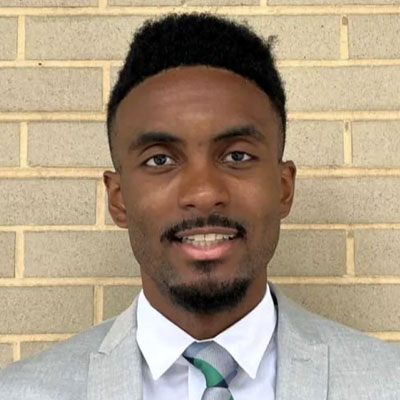
Sanaya Shenoy
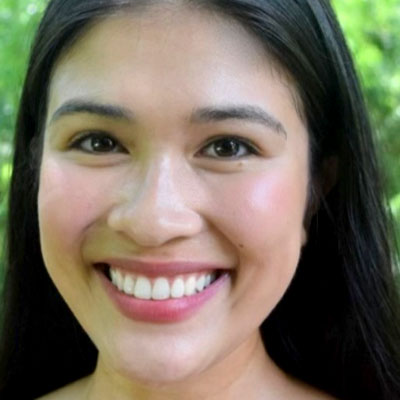
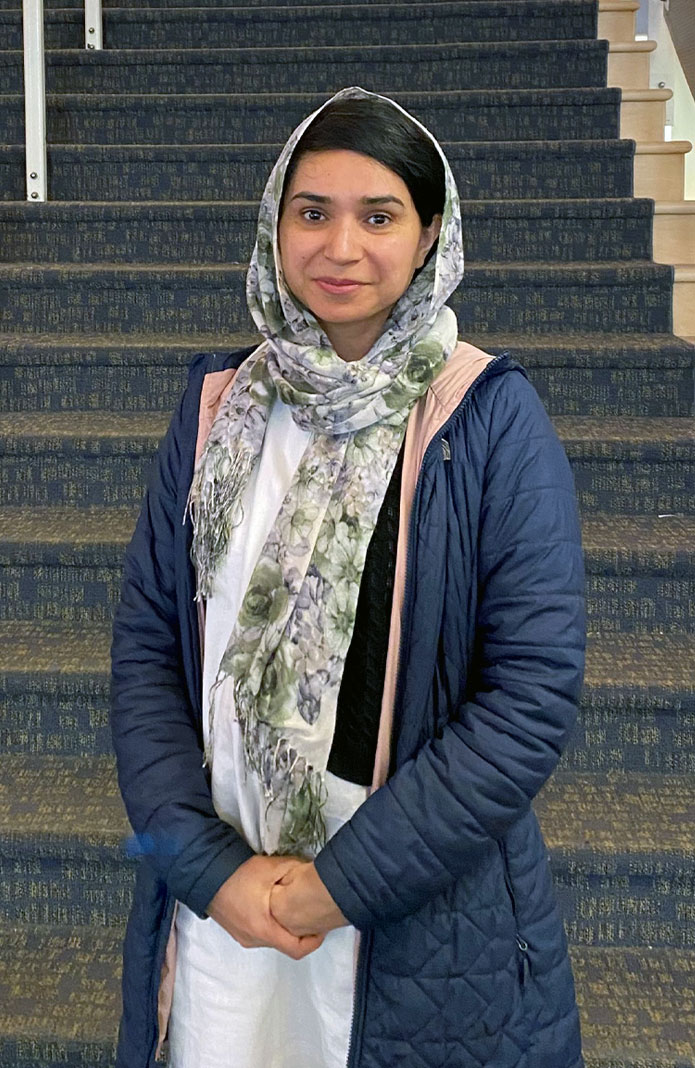
Syeda S Batool
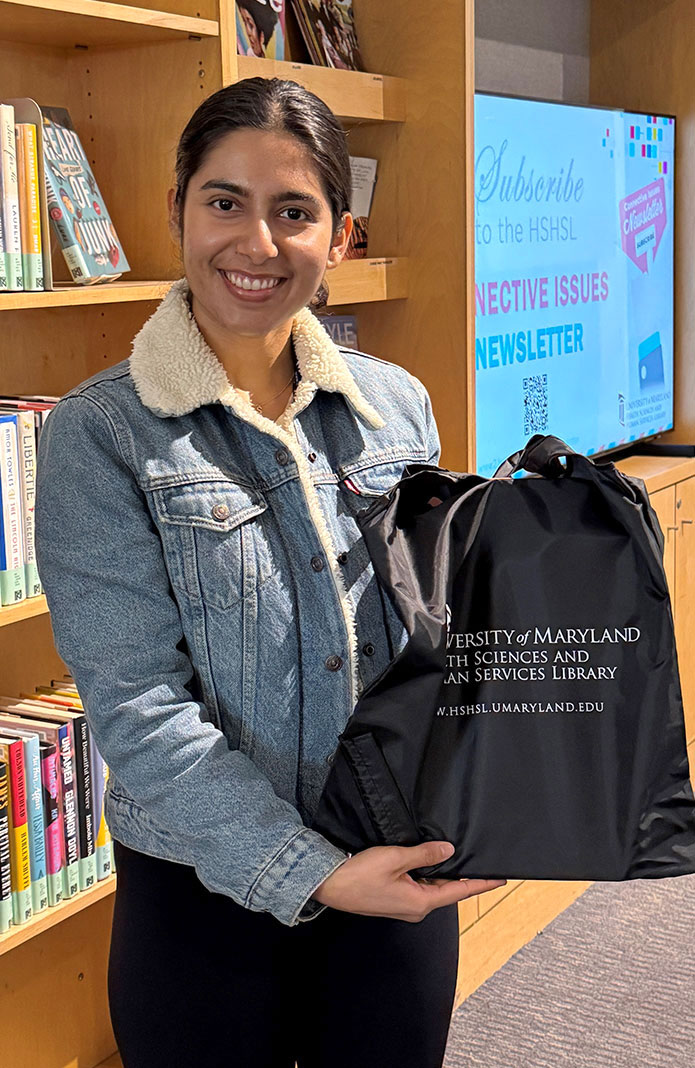
Mary Hackbarth

Congratulations to our prize winners:

  • Sanaya Shenoy, PhD student, School of Pharmacy
  • Syeda S Batool, Postdoc, School of Medicine
  • Mary Hackbarth, MD/PhD, School of Medicine

On behalf of the HSHSL’s Scholarly Communications Committee, thank you to everyone who participated!

Society for Clinical Data Management Shares Career Advice With UMB Students

Society for Clinical Data  Management (SCDM)

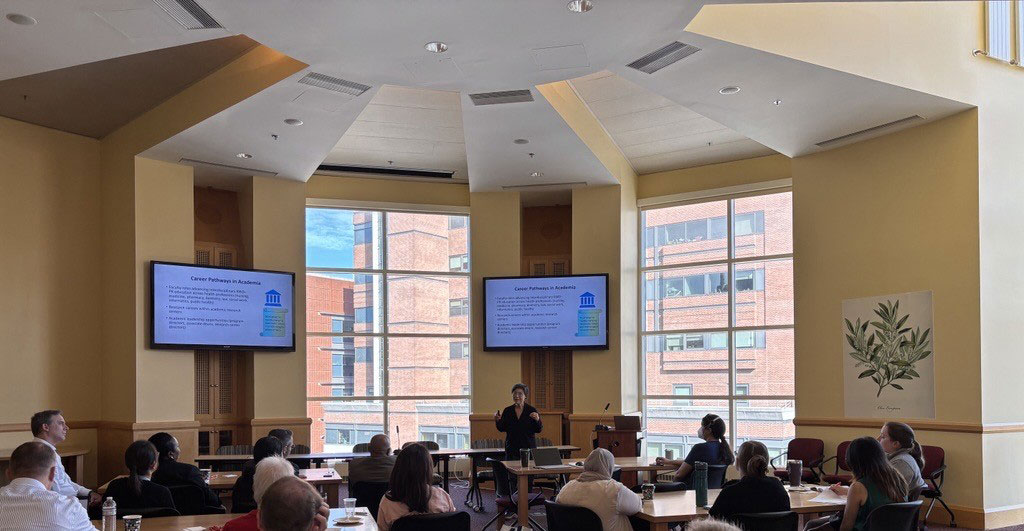
In September, the HSHSL welcomed members of the Society for Clinical Data Management (SCDM) to speak to UMB students and trainees on career opportunities in their field. Emily Hurst, dean of the HSHSL, kicked off the event, during which attendees were able to engage with leaders from companies like Pfizer, Johnson and Johnson, Sanofi, Veeva, and more. There was also a special presentation by Dr. Eun-Shim Nahm, associate dean of the School of Nursing PhD program, on navigating career pathways in an era of big data and AI. This event was a great example of the innovative ways the HSHSL can connect UMB community members with each other and with partners beyond UMB.

Dr. Solomon Granville Moore Notebooks Donated to Historical Collections

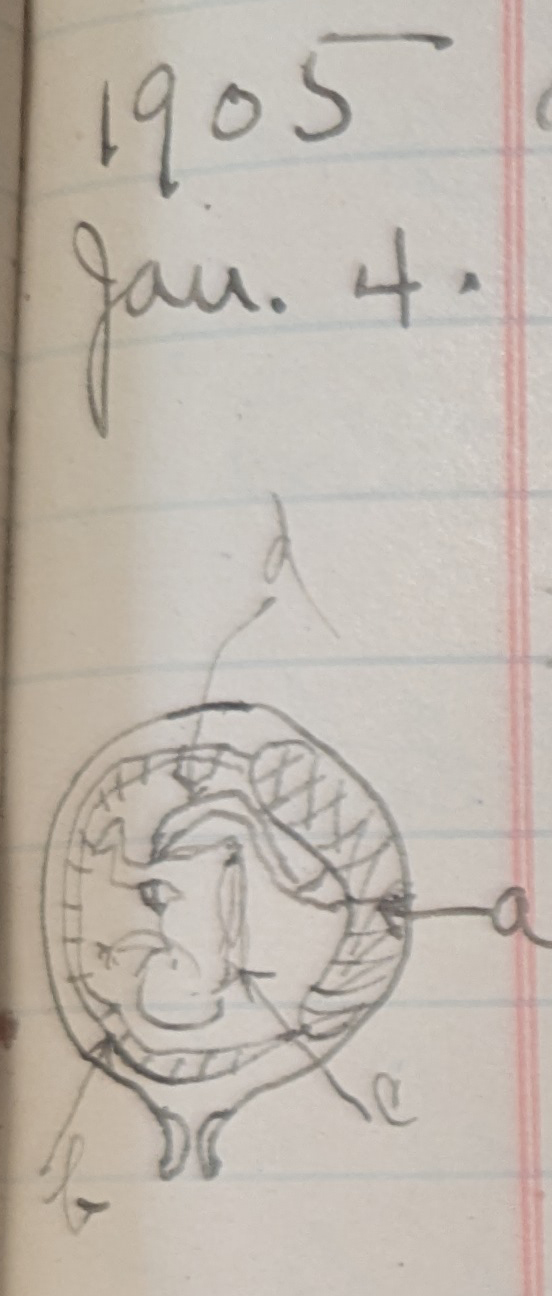
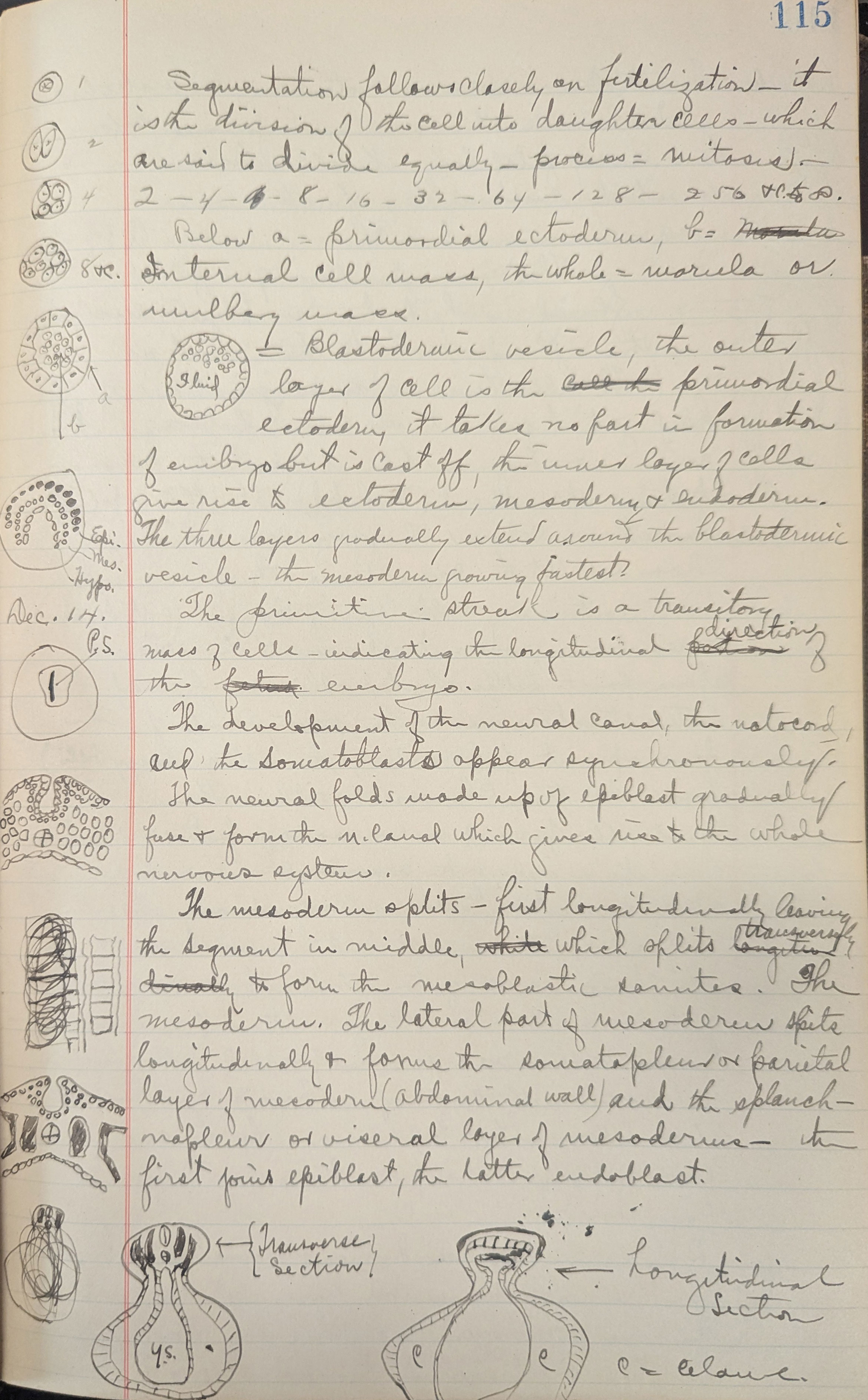
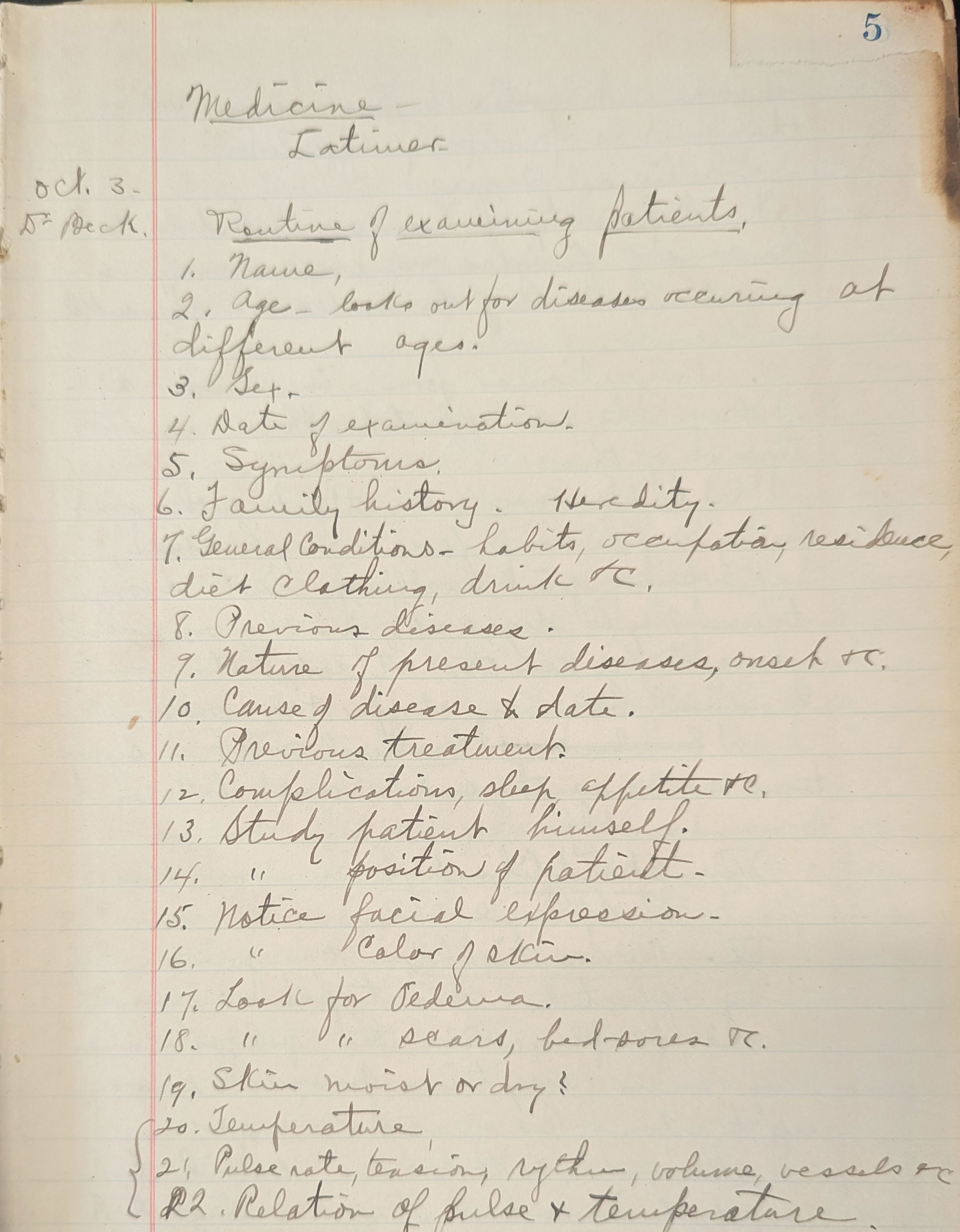
In early November 2025, the Historical Collections department received a donation of two handwritten notebooks of Dr. Solomon Granville Moore, a 1906 graduate of the College of Physicians and Surgeons of Baltimore (P&S). The notebooks represent Dr. Moore’s final two years at P&S and include course notes and diagram doodles from all required courses. The College of Physicians and Surgeons of Baltimore was founded in 1878 by Maryland State law and was a competitor school to the University of Maryland School of Medicine until the two schools merged in 1915. Historical Collections collects and preserves the history of P&S and includes yearbooks, course catalogs, publications, and other items from the now defunct school, many of which have been digitized.

Solomon Granville Moore was born Dec. 1, 1877, in Belington, W.Va., to Alpheus and Lucinda Moore. He attended local public schools and earned a teaching certificate. After three years as a teacher, he entered West Virginia University (WVU), graduating with an A.B. (early name of the Bachelor of Arts degree) in 1904. While at WVU, Moore met and married Peri Inez Miller, a student from Pa.

In 1903, Moore matriculated in P&S as part of an agreement with WVU that allowed students to attend their first two years of medical school in a pre-med program at WVU and finish the degree at P&S. The agreement was introduced in 1903, making Moore one of the first pre-med students at WVU. When Moore graduated from P&S in 1906, WVU also conferred a Doctor of Medicine degree to Moore. Moore completed two postgraduate courses at Harvard Medical School (1914) and Columbia University College of Physicians and Surgeons (1921).
After graduation, Dr. Moore set up practice in Coalton, W.Va., where he remained until 1910. In 1910, Dr. Moore moved to Elkins, W.Va., where he purchased the home and office of Dr. John C. Irons. The home was added to the National Register of Historic Places in 1998. From 1910 to 1915, Dr. Moore served as professor of chemistry at Davis and Elkins College; he was also on staff at Davis Memorial Hospital and a physician to the West Virginial Odd Fellows Home and West Virginia Children’s Home. Dr. Moore retired in 1948. After an eight-week illness, he passed on April 29, 1961, of cerebral arteriosclerosis. He is buried in Maple Park Cemetery, Springfield, Mo.

The notebooks provide a glimpse into medical education at P&S and include notes from courses with influential Baltimore doctors like Dr. Thomas S. Latimer, president of P&S; Dr. John Ruhrah, professor of diseases of stomach and dietetics and professor of pediatrics and dietetics; and Dr. C. Hampson Jones, professor of hygiene and public health, later Baltimore health commissioner.  The notes include instructions on examining patients, treatments for common illnesses, as well as hand-drawn images of labor techniques. The volumes are available for use in Historical Collections by contacting Tara Wink.
 

Employee News

Posters & Presentations

Emily Hurst, MSLS, presented the lightning talk “Yes Chef! Leading Change and Adapting Recipes for a Modern Health Sciences Library” at the Mid-Atlantic Chapter of the Medical Library Association annual meeting, Oct. 2025, Baltimore. Dean Hurst also served as an invited panelist for the session “Journey of Budgeting Knowledge” at the Association of Academic Health Sciences Libraries (AAHSL) annual meeting, Oct. 2025, San Antonio, Texas.
Emilie Ludeman, MSLIS, Amy Yarnell, MLS, Nicole Shelawala, M.Eng., MLIS, Everly Brown, MLIS, and Shanell Stephens, MLIS, presented the paper “The GenAI Test Kitchen: Experimenting with Emerging Research Tools” at the Mid-Atlantic Chapter of the Medical Library Association (MACMLA) 2025, Baltimore, MD.

Alexa Mayo, MLIS, AHIP, Everly Brown, and Emily Hurst presented the poster “The Secret Ingredient: Student Advisory Boards to Enhance Student Engagement” at the Mid-Atlantic Chapter of the Medical Library Association annual meeting, Oct. 2025, Baltimore.

Amy Yarnell, Emily Gorman, MLIS, and Nicole Shelawala presented the poster “From Data to Decisions: Visualizing Open Access Publishing Trends to Inform Institutional Strategy” at the Mid-Atlantic Chapter of the Medical Library Association annual meeting, Oct. 2025, Baltimore.

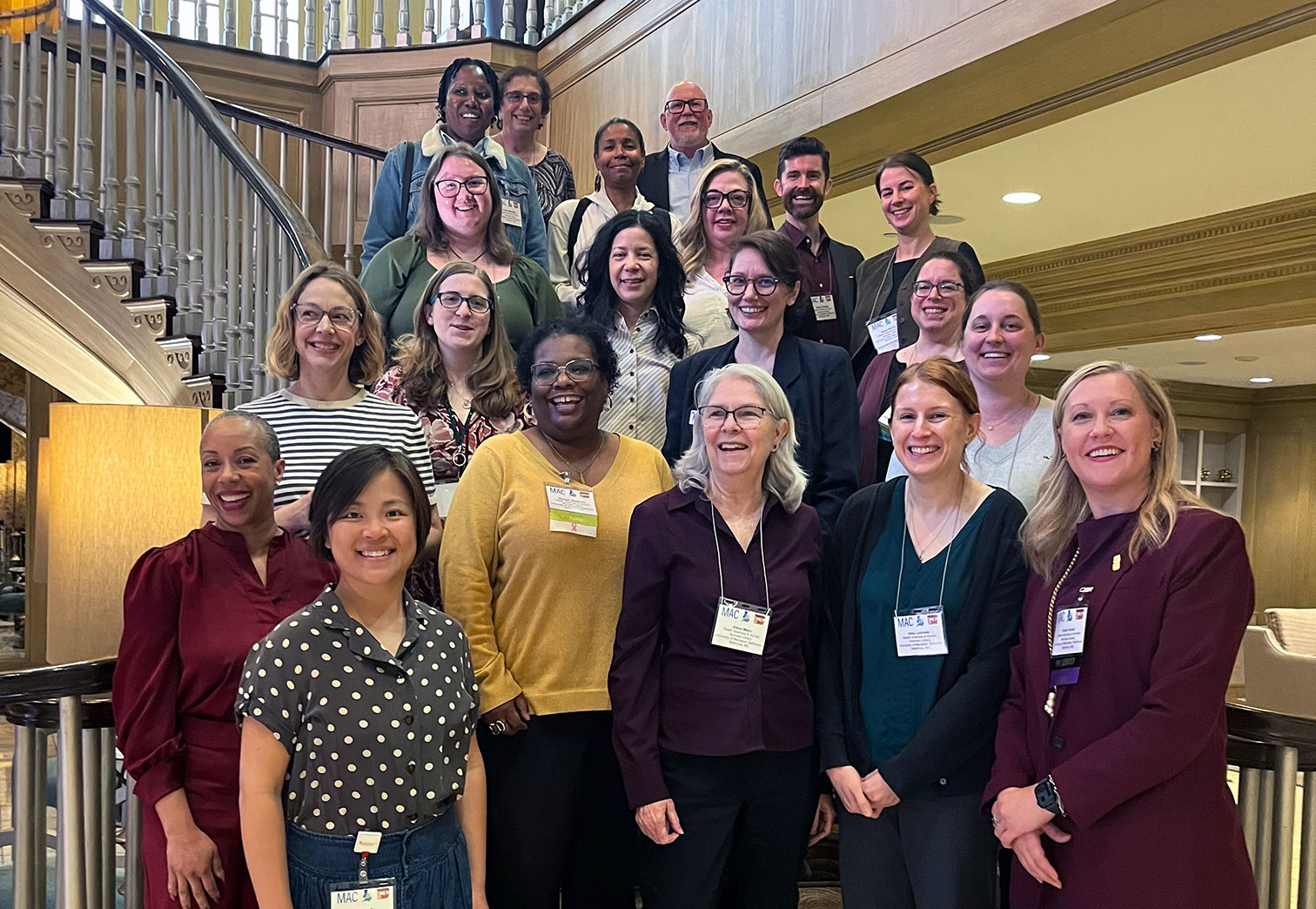
HSHSL employees attended the MACMLA meeting in Oct. 2025.

HSHSL employees attended the MACMLA meeting in Oct. 2025.

The Archives
Subscribe via E-mail

Enter your e-mail address and be notified when a new issue is released!


We currently have email subscribers!