March 2026 – Volume 20 – Number 2

Dean’s Message

Emily Hurst
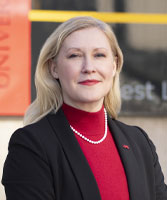
Emily Hurst, Associate Vice Provost and Dean, HSHSL

As spring approaches, the HSHSL employees are looking forward to a busy and exciting time of year. The HSHSL building will be buzzing with activity this spring as we host a number of exciting events and programs. Behind the scenes, I am meeting regularly with both HSHSL teams and campus leaders on a variety of ongoing projects, several of which I highlight below.

Over the last quarter, I have had the pleasure of speaking with deans across campus about the HSHSL Fiscal Year 2025 Annual Report, which is now available online. The report includes photos and stories recapping fiscal year 2025. I am very proud that the report has become such a collaborative effort, one that showcases the rich engagement, collaborations, and activities the HSHSL is involved in. I encourage you to review the report and reach out to me if you have any questions.

Title II, a major federal requirement that will impact the way the HSHSL provides access to services for the public and students, will go into effect at the end of April 2026. Title II of the Americans with Disabilities Act (ADA) requires that all content shared with students and the public meets accessibility standards. This requirement will impact materials posted on the HSHSL website as well as content that the HSHSL may provide to instructors for use in class. Title II holds everyone accountable for creating accessible materials for the public and student audiences. Since January, Christina Cestone, PhD, assistant vice provost for Faculty Affairs, and I have served as co-chairs of the UMB Title II Task Force, through which UMB has developed resources and made recommendations for adopting Title II principles across campus. The HSHSL leadership team also charged an HSHSL Title II Task Force to review current practices and recommend changes to ensure the HSHSL is compliant with Title II. The HSHSL Title II Task Force has worked with the HSHSL Accessibility Committee to develop trainings and host drop-in sessions to ensure all HSHSL employees gain the knowledge and skills to ensure that all materials created for or shared with students and the public are accessible. Across the HSHSL, we are committed to creating an accessible environment and ensuring all students and members of the public can access the materials and services they need to be successful. We are also excited that by embracing Title II standards, we will ensure that our content is broadly accessible to the widest public audience.  

The HSHSL is a member of the University System of Maryland and Affiliated Institutions (USMAI) Library Consortium, an important consortium that helps connect USM library resources and enables reduced cost consortial access for popular databases and other essential resources. I look forward to welcoming the directors of the other 16 USMAI libraries to the HSHSL in May for our annual strategic planning retreat, where we will discuss potential collaborations, and purchase decisions.

I am pleased to share that after many months of planning and selection decisions our HSHSL leadership team has finished reviewing feedback from the HSHSL First Floor Update Task Force and consulting with vendors. The plan to replace carpeting on the first floor is slated to begin right after finals, in mid-May 2026. This major first-floor overhaul will include rearranging furniture and existing spaces as well as launching some new concepts. Photos and more will be shared in the next edition of Connective Issues. You can expect to see improvements to the Kinnard Leisure Reading area, a downsizing of the Innovation Space, and a new, family-friendly study room.

Earlier this month, I was invited to join the UMB Office of Philanthropy on their annual alumni events in Florida. It was a pleasure to meet with alumni from across disciplines and hear their HSHSL memories. Most were happy to learn about the HSHSL building’s 30th anniversary in 2028 and our anticipated relaunch of events, programming, and engagement to support fundraising goals.
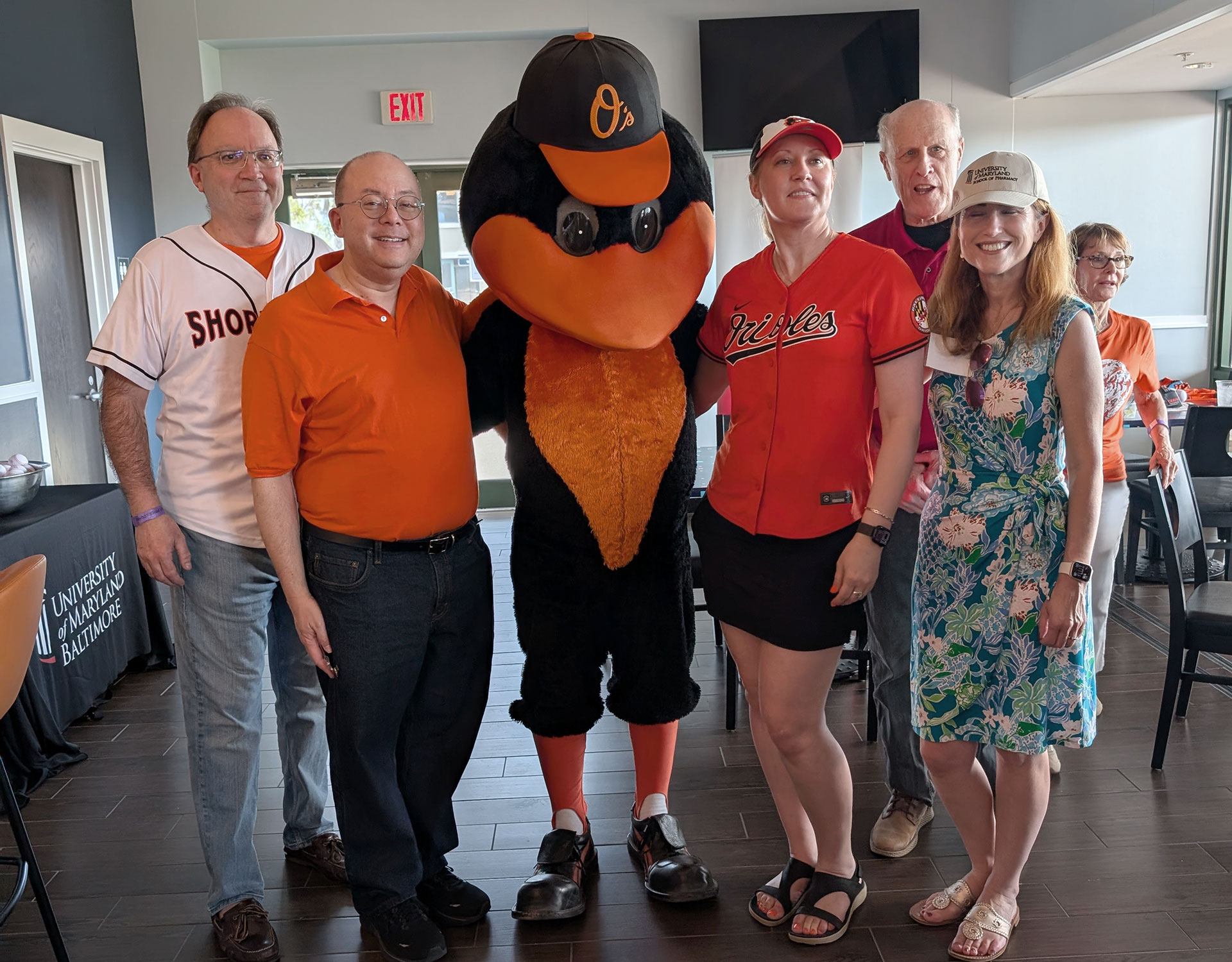
Dean Hurst poses with Greg Bowden, UMB vice president and chief philanthropy officer; Kenneth Wong, PhD, dean of the School of Graduate Studies; Bruce Jarrell, MD, FACS, UMB president; and Sarah Michele, PhD, dean of the School of Pharmacy; and the Oriole Bird at the annual alumni event at the Orioles Spring Training in Sarasota, Florida.

Dean Hurst poses with Greg Bowden, UMB vice president and chief philanthropy officer; Kenneth Wong, PhD, dean of the School of Graduate Studies; Bruce Jarrell, MD, FACS, UMB president; Sarah Michele, PhD, dean of the School of Pharmacy; and the Oriole Bird at the annual alumni event at the Orioles Spring Training in Sarasota, Florida.

In February, the HSHSL hosted its second annual employee appreciation event and meeting. The event included an opportunity to connect with colleagues, an employee kudos video with messages of peer-to-peer recognition and support, a presentation on LibQual+ findings (detailed in the annual report), and updates from the dean.
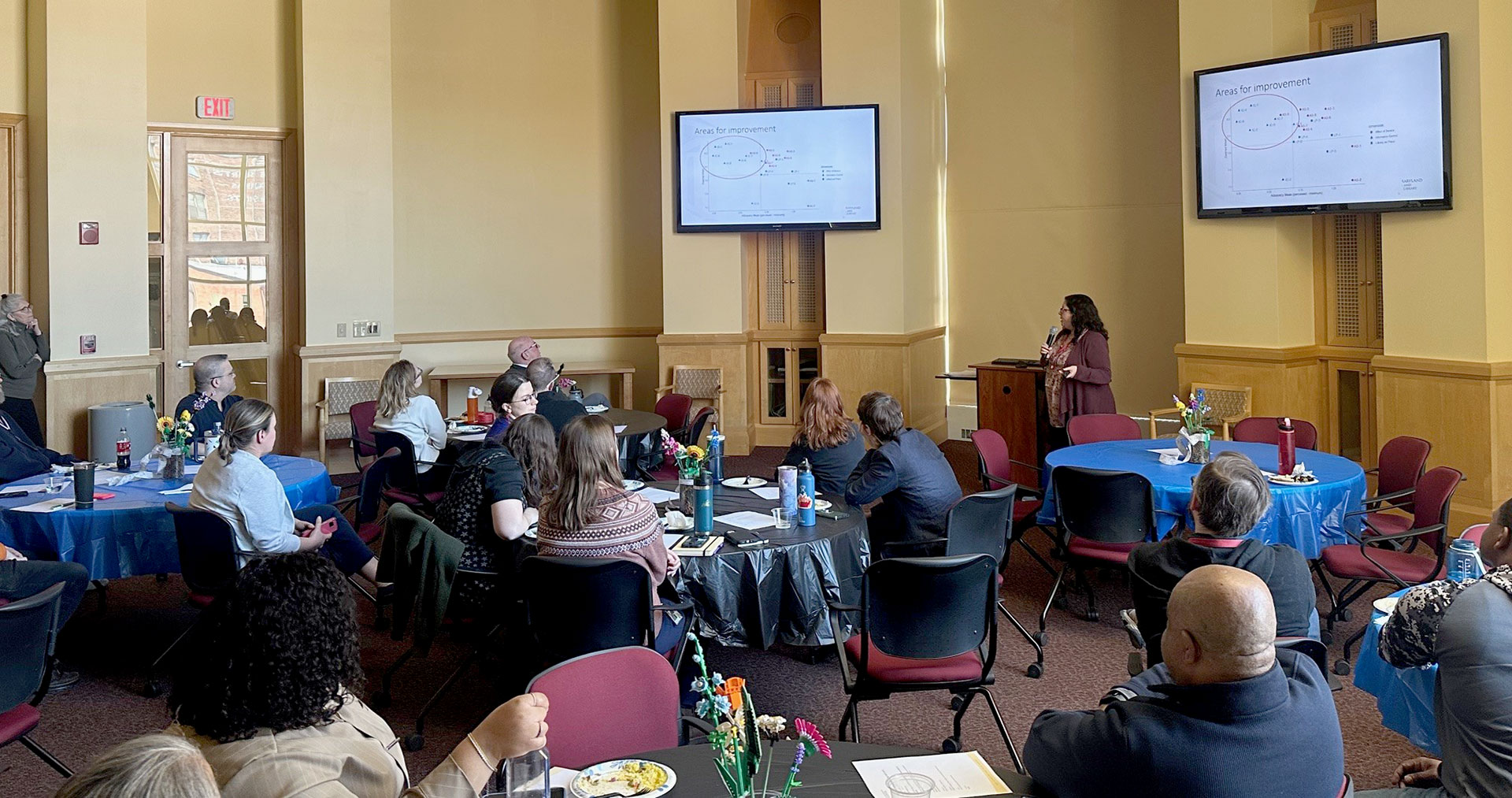

Amy Yarnell, MLS, head of Data & Bioinformation Services presents at the February meeting on LibQual+ findings.

Have You Tried Consensus Yet?

Consensus Logo

Consensus is an “AI-powered search engine for scientific research papers.” It uses large language models to search, analyze, and summarize findings from the scholarly literature, helping users explore topics, compare studies, and quickly understand the current state of evidence.

The HSHSL is currently running a trial of Consensus Pro through 2026. Visit the HSHSL’s Consensus guide to learn more about the tool and how to access the trial.

As a library, we not only provide access to emerging tools but also evaluate how they support research and scholarly work. We welcome your feedback during the trial as we assess whether Consensus adds meaningful value to UMB’s research ecosystem. If you’ve tried Consensus, please complete the Consensus Feedback Form to let us know what you think.

Forgot Something? We’ve Got You

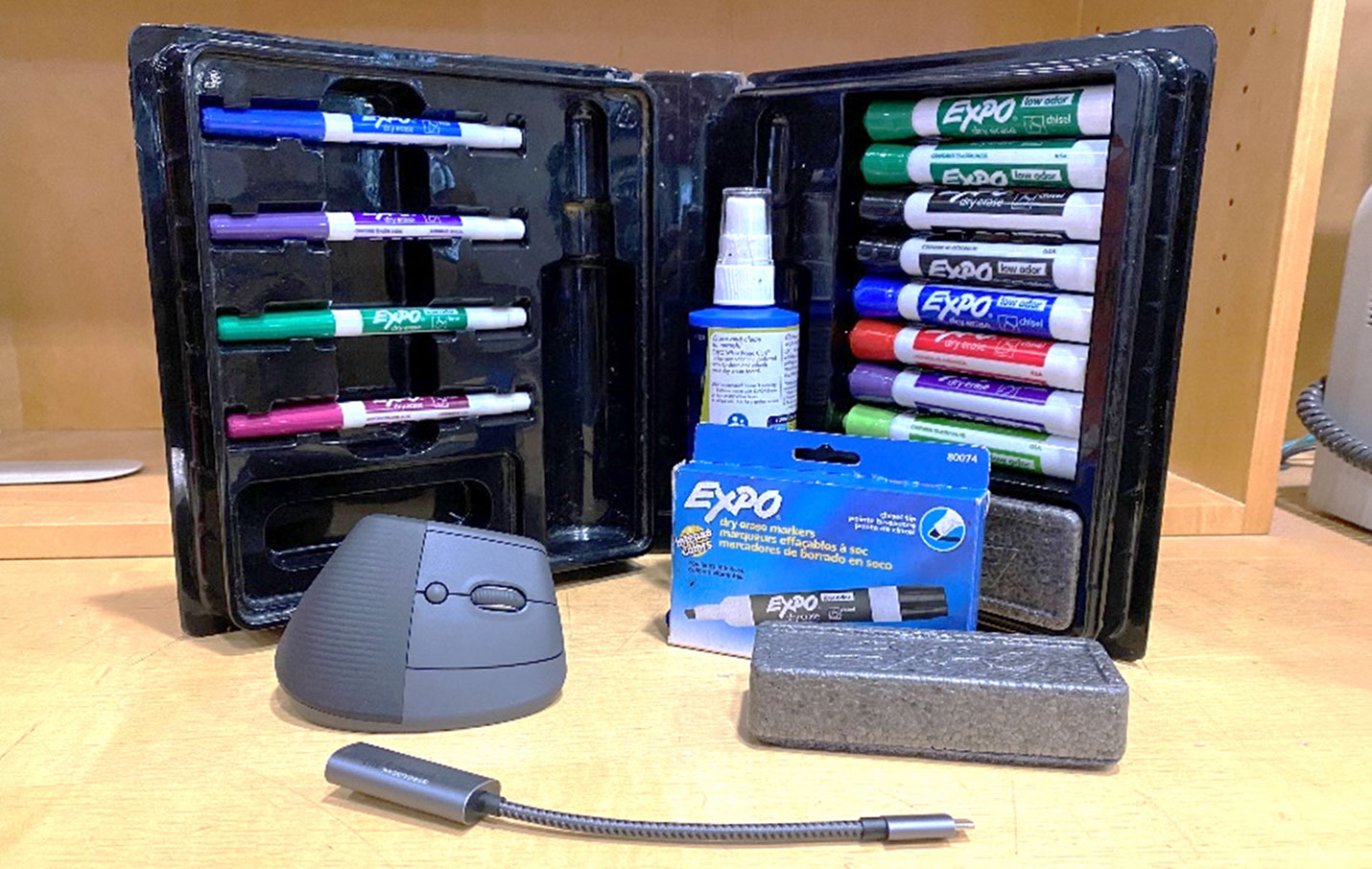
A collection of dry erase markers in an open case, with an ergonomic mouse, an Expo marker box, eraser block, and a USB gooseneck light on a wooden surface.

Need a quick study tool or device accessory? The HSHSL offers a range of items to help you stay focused, organized, and connected. Whether you are settling in for a long study session or just need a quick fix, these tools are easy to access and ready when you are.

Self-Serve Items

Pick these up from the bins at the front desk to use in the HSHSL. No checkout needed.

Study Tools

  • Whiteboards
  • Laptop stands
  • Keyboards
  • Computer mice

Focus Essentials

  • Headphones
  • Earplugs

Items Available at the Desk

Staff will check these out for you.

Study Tools

  • Dry Erase Markers
  • Erasers

Stay Powered Up and Connected

  • Common charging and display cables (USB-C, HDMI, Lightning, Mini DisplayPort)
  • Portable DVD drive
  • External floppy disk drive

Accessibility Items

  • Wireless ergonomic mice
  • Large-print, backlit keyboard
  • LED magnifier
  • Ergonomic laptop stands

Need Something Else?

Just ask. We are here to help you find what you need to work comfortably and effectively.

The Seventh Annual Love Data Week

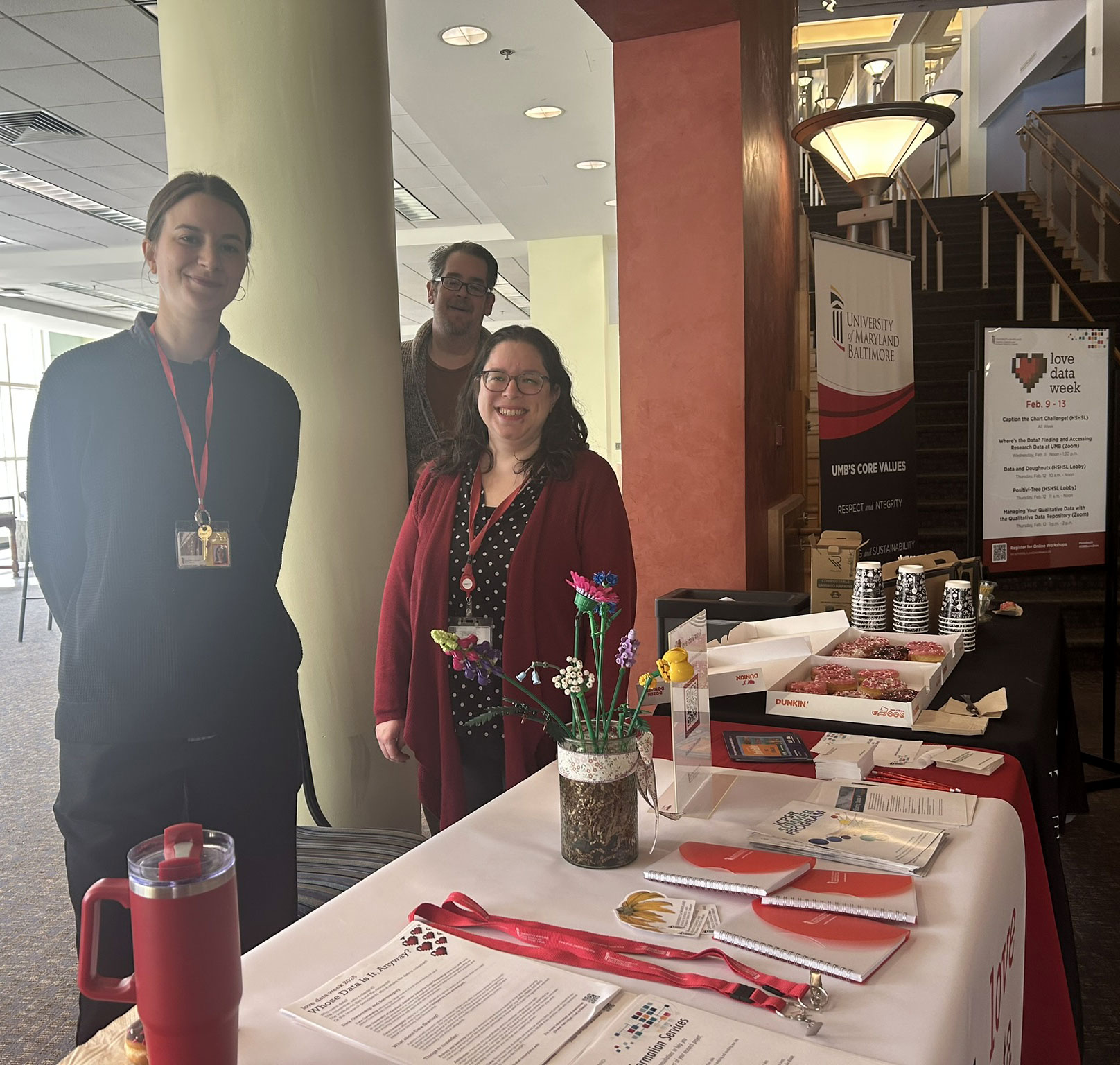
The seventh annual Love Data Week was held February 9 to 13.  To celebrate this year’s theme – “Where’s the Data?” – the HSHSL hosted two virtual sessions focused on data resources available to the UMB community. Guest speakers included Dr. Eberechukwu Onukwugha of the School of Pharmacy, Wanda Hill from the UMB Institute for Clinical and Translational Research (ICTR), and Dessi Kirilova from the Qualitative Data Repository. The recordings of these sessions, along with previous Love Data Week events, can be found on the HSHSL Love Data Week YouTube Playlist.

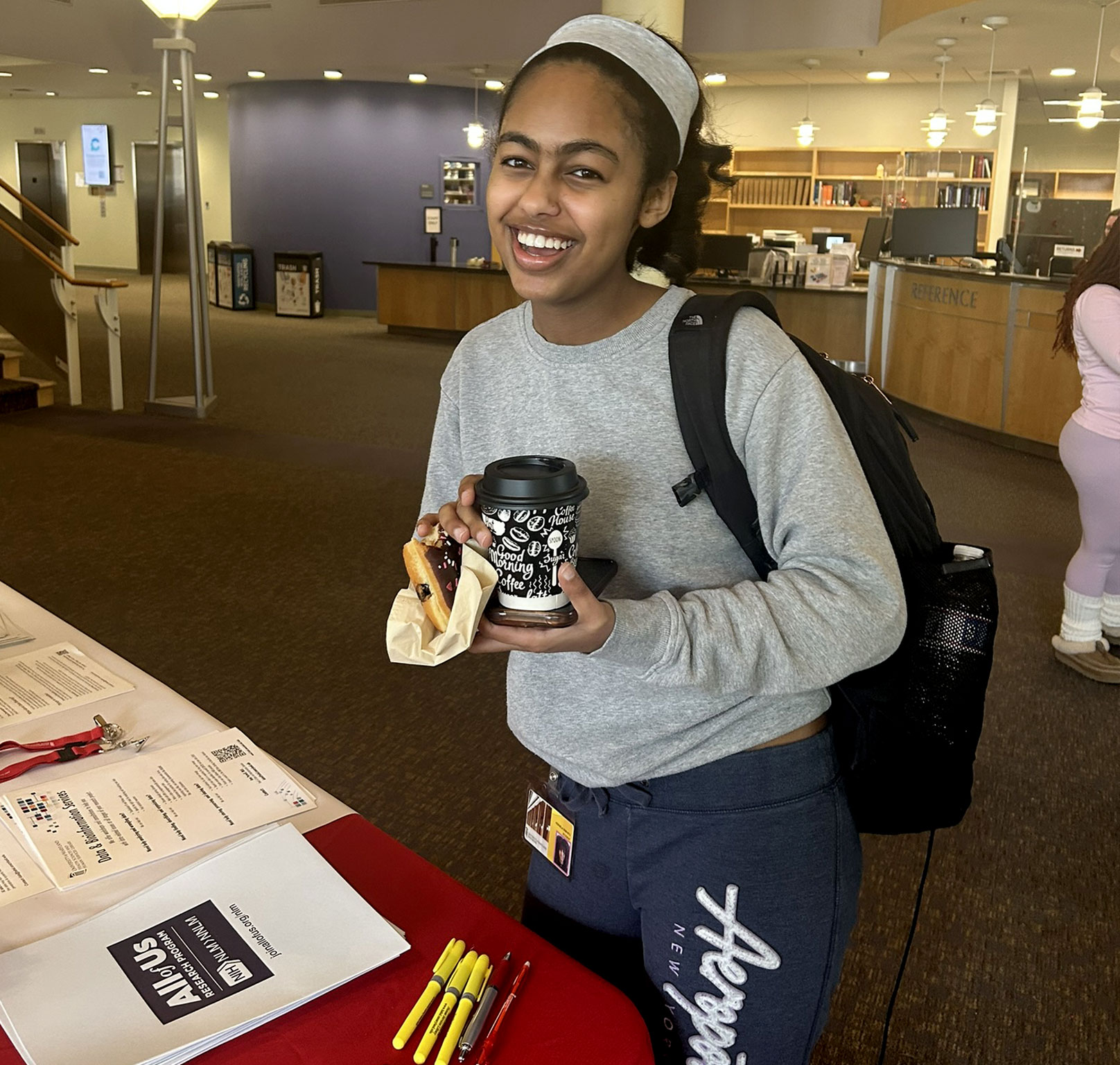
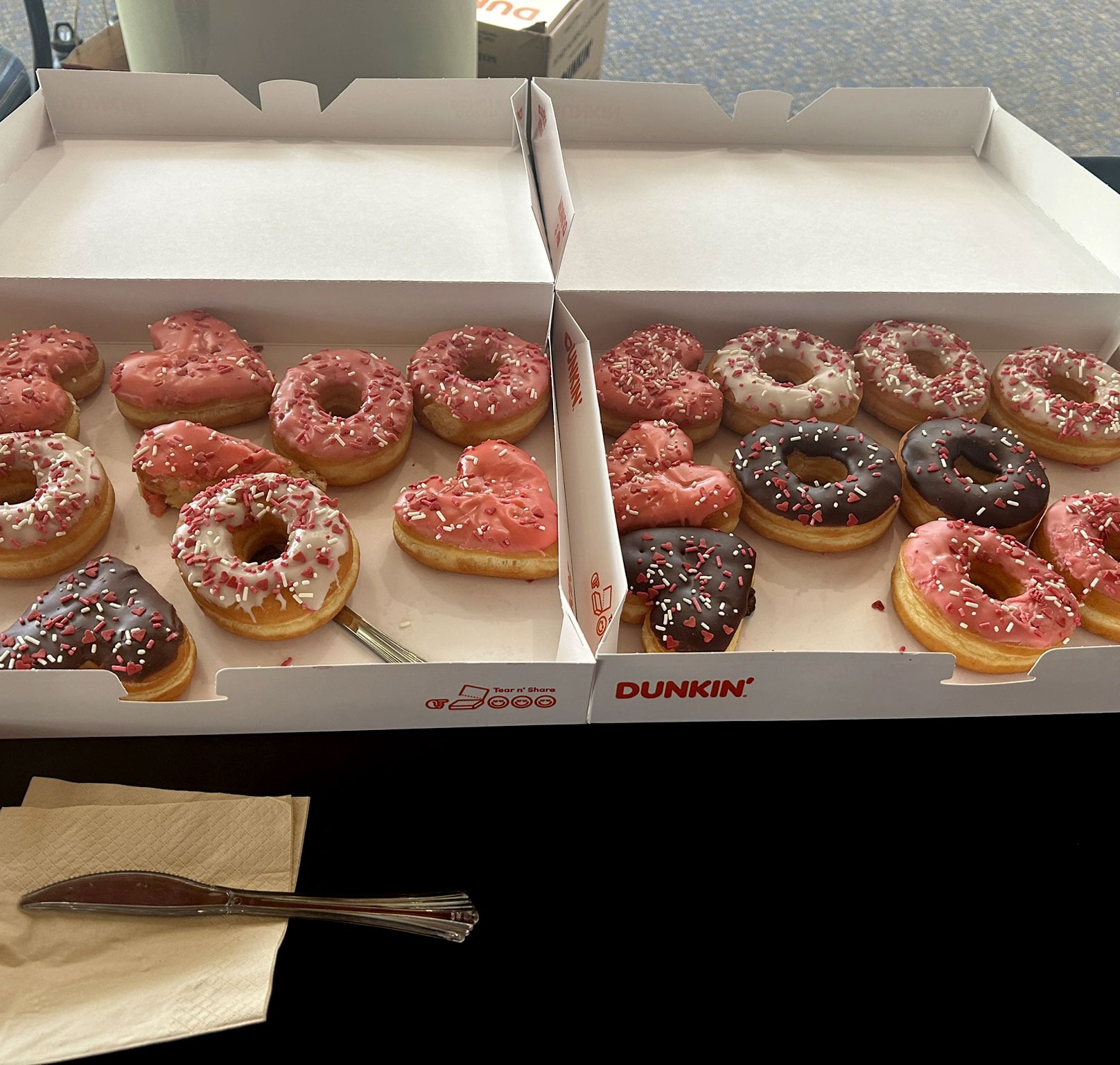
In addition, HSHSL visitors were encouraged to add creative captions to charts and graphs hanging up in various spots throughout the building. To wrap up the week, more than 100 people stopped by our Data and Donuts table for some seasonal Dunkin Donuts treats, library swag, and information about the HSHSL Data and Bioinformation Services department.

Student holding a coffee and donut, standing by a table with papers and highlighters in a library setting.
Various heart-shaped and circular donuts with colorful glazes and sprinkles in two Dunkin' boxes.
Three people standing behind a booth with promotional materials and donuts at an indoor event.

NNLM Region 1 Updates and Upcoming Training Opportunity

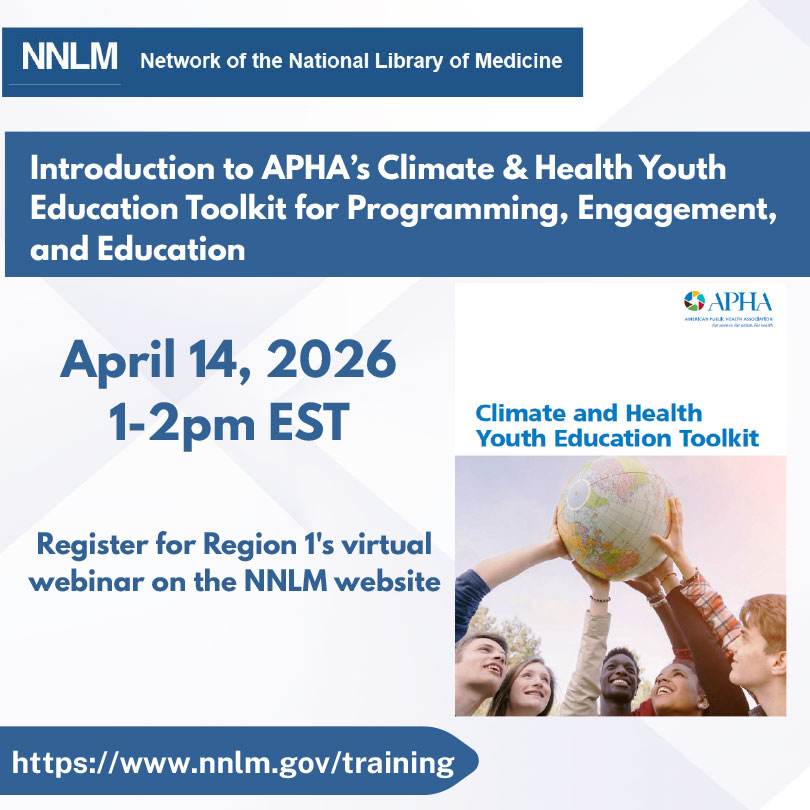
Webinar promotion for Introduction to APHA's Climate & Health Youth Education Toolkit on April 14, 2026.

The Network of the National Library of Medicine (NNLM) Region 1 and the NNLM Web Services Office (NWSO) are planning to enter an extended Year 5 period through April 2027. To support this continuation, NNLM Region 1 and the NWSO have applied for an administrative supplement that would extend our work beyond the current April 30, 2026, end date.

If approved, this extension will allow NNLM Region 1 to continue providing training, outreach, and engagement opportunities for members and stakeholders throughout the region. The NNLM Web Services Office will also continue supporting NNLM Regional Offices and Centers by maintaining key web services and digital infrastructure for the network.

As part of these ongoing efforts, NNLM Region 1 will host an upcoming webinar in April, often recognized as Earth Month:

Introduction to APHA’s Climate & Health Youth Education Toolkit for Programming, Engagement, and Education April 14, 1:00 PM (ET)

This webinar will introduce participants to the American Public Health Association’s Climate & Health Youth Education Toolkit and explore ways it can be used for programming, community engagement, and educational initiatives. Participants can earn one continuing education credit for Certified Health Education Specialists (CHES) awarded by the National Commission for Health Education Credentialing, Inc.

We look forward to continuing the work of the NNLM and supporting our members and partners through 2027!

HSHSL Marks Completion of Restroom Renovation Project

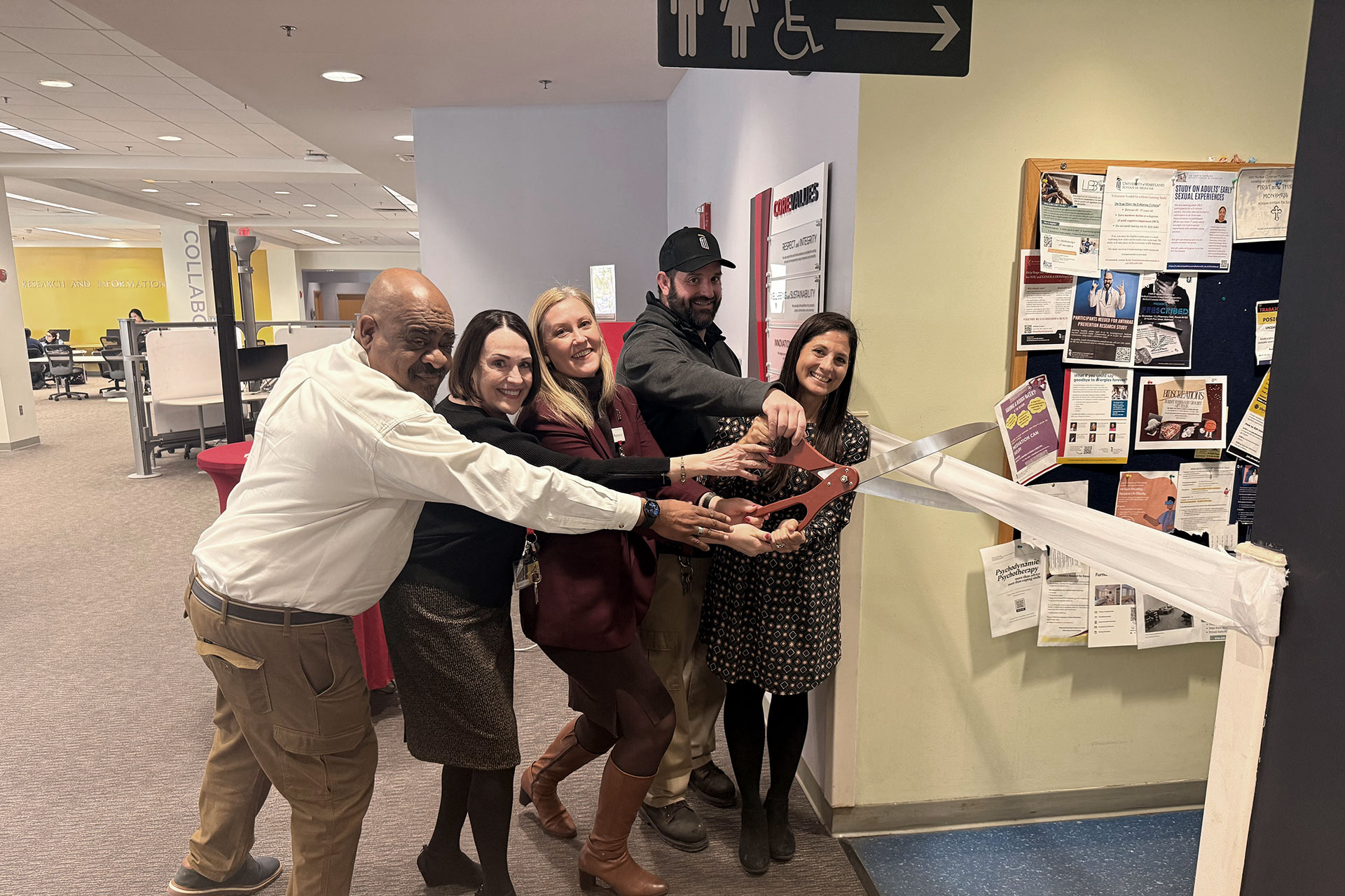
Five people cutting a white ribbon with large ceremonial scissors in a building corridor.

The Health Sciences and Human Services Library (HSHSL) celebrated the completion of its building-wide Restroom Renovation Project with a tissue cutting ceremony on Dec. 9, 2025, marking the culmination of a yearlong effort to enhance facilities throughout the Library.

The project, which included renovations to all restrooms in the building, was completed on time and under budget. The upgrades reflect HSHSL’s ongoing commitment to maintaining modern, welcoming, and functional spaces that support the University of Maryland, Baltimore community.

Dean Emily Hurst gave special recognition to UMB Facilities Operations & Maintenance project managers Daren Lewis and Lucas Noppenberger for their leadership and coordination throughout the project. Dean Hurst also acknowledged the work of Linda Wise, assistant dean for Administration & Operations, Jerry Anthony, facilities & operations specialist and Patrick Williams, facilities & operations coordinator, who led the effort on behalf of the Library.

The ceremony provided an opportunity to thank the many individuals whose collaboration and dedication made this important improvement possible.

HSHSL and UMB USGA Partner to Provide Free Period Products for Students

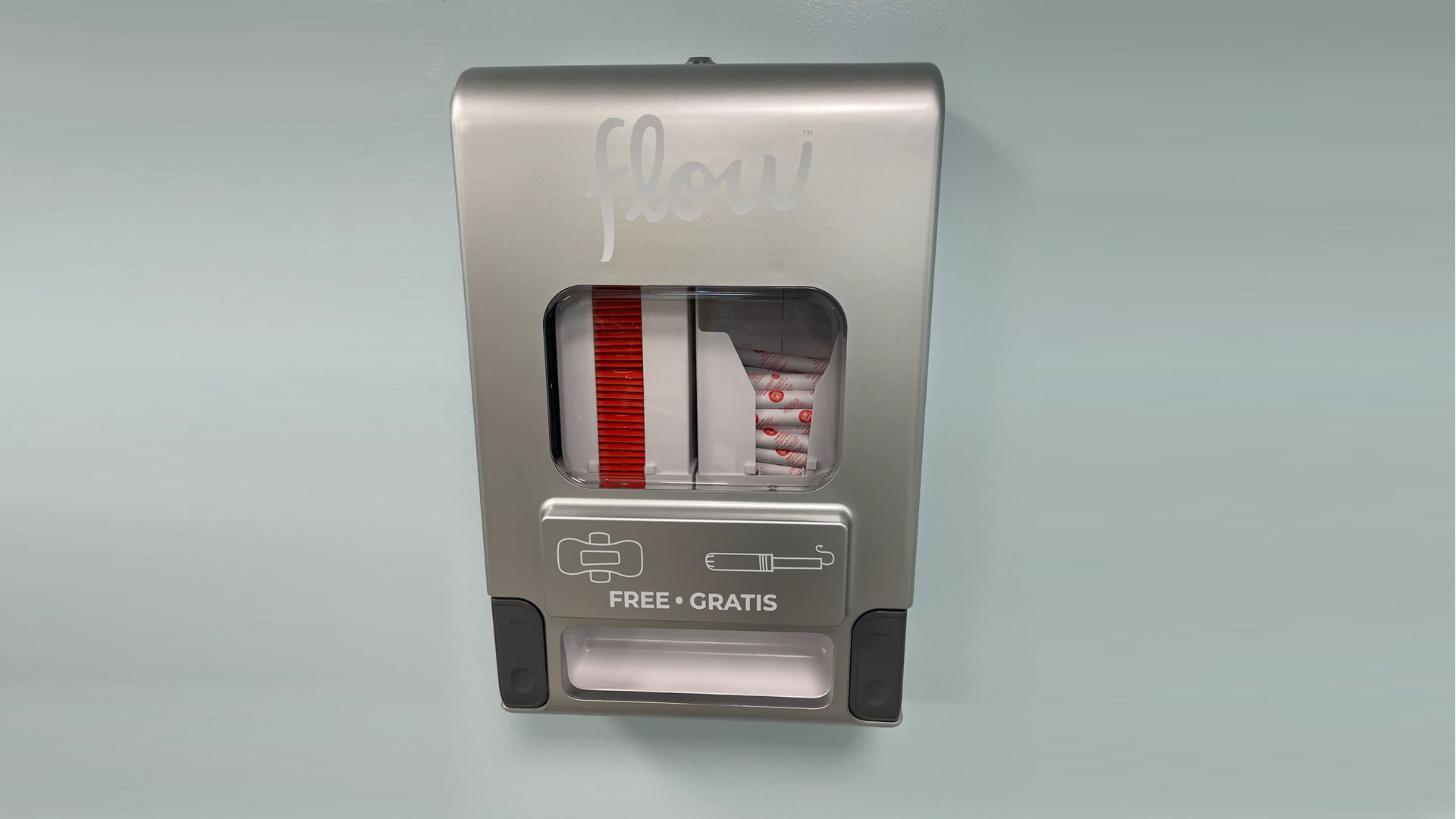
Silver feminine hygiene dispenser with FREE - GRATIS label on a light blue wall.

The University of Maryland, Baltimore (UMB) Health Sciences and Human Services Library (HSHSL), in partnership with the University Student Government Association (USGA), is pleased to announce the availability of free period products for students at the HSHSL.

Funding for this initiative is shared between HSHSL and USGA, reflecting a collaborative commitment to advancing student wellness and campus inclusion. Beginning this month, period products will be available at no cost in the following locations:

  • First floor women’s restroom
  • Fifth floor women’s restroom
  • First floor all-gender restroom

The initiative was developed through conversations and a commitment between student leaders and HSHSL administration to address a basic need that directly impacts student success. By removing financial and access barriers to essential products, HSHSL and USGA aim to foster a more inclusive and supportive campus environment.

HSHSL and USGA are proud to collaborate on initiatives that advance access, wellness, and student-centered support across UMB.

Steven Waugh: Darkness and Light

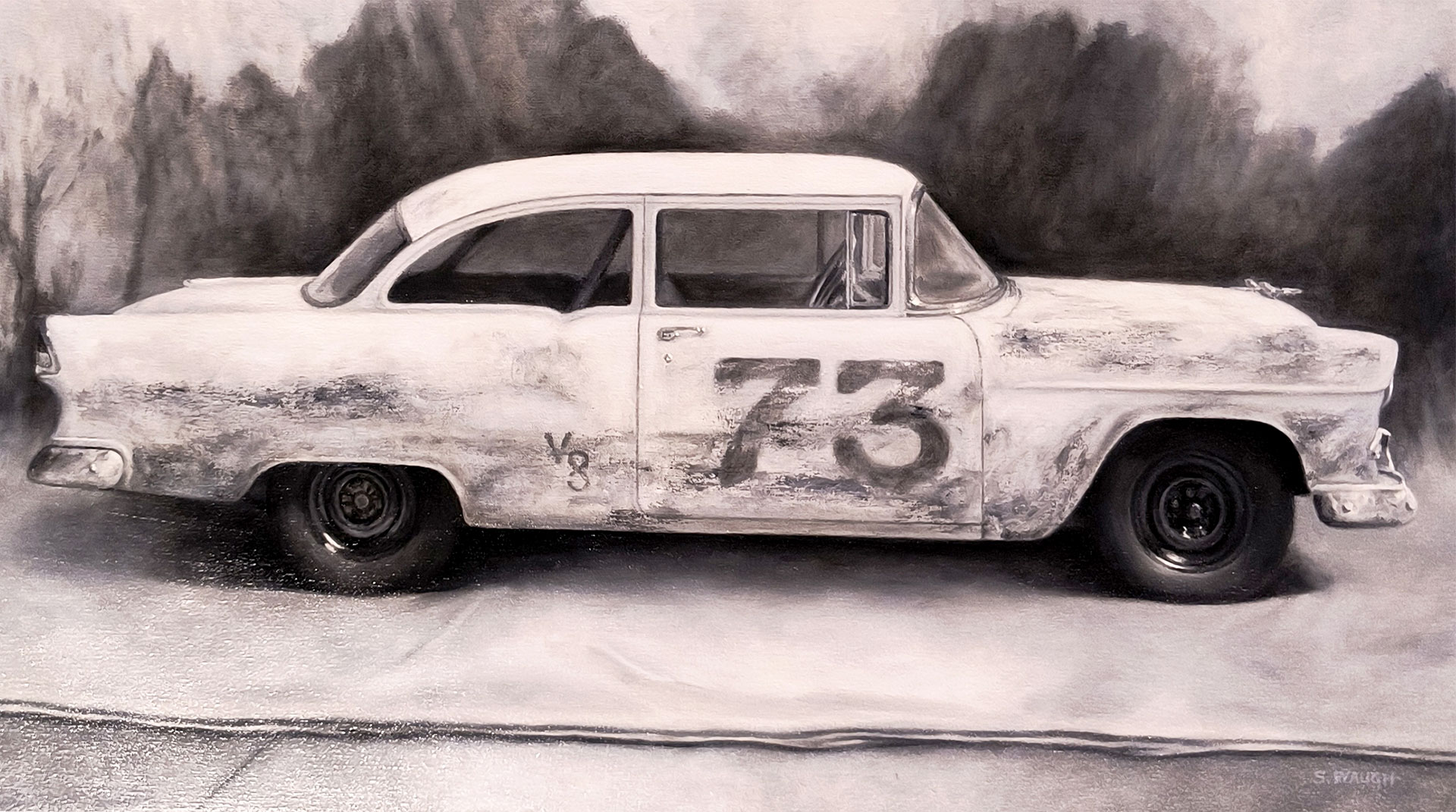
Black and white artwork of a vintage car with the number 73 on the side, parked on a road with blurred trees in the background.

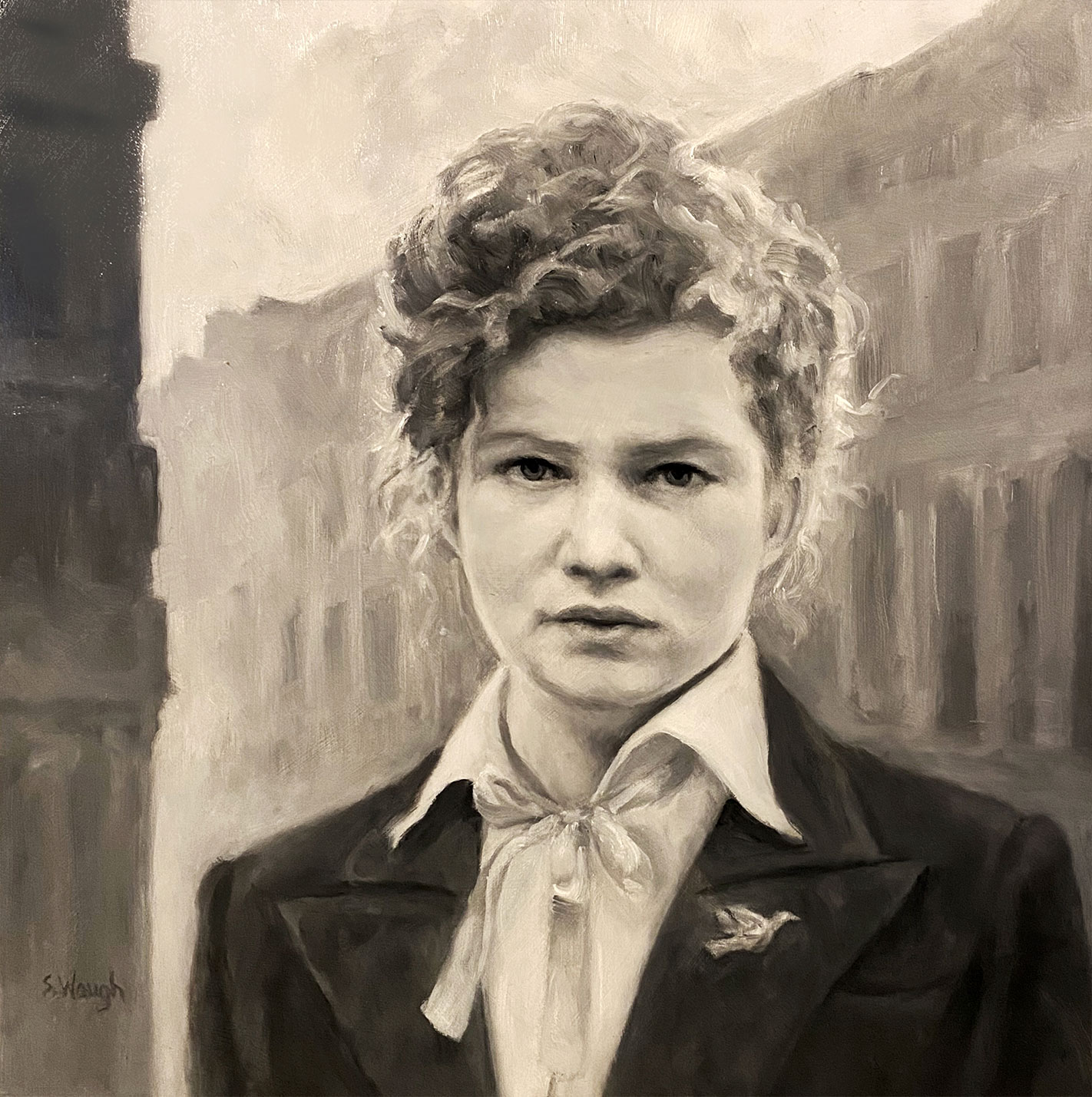
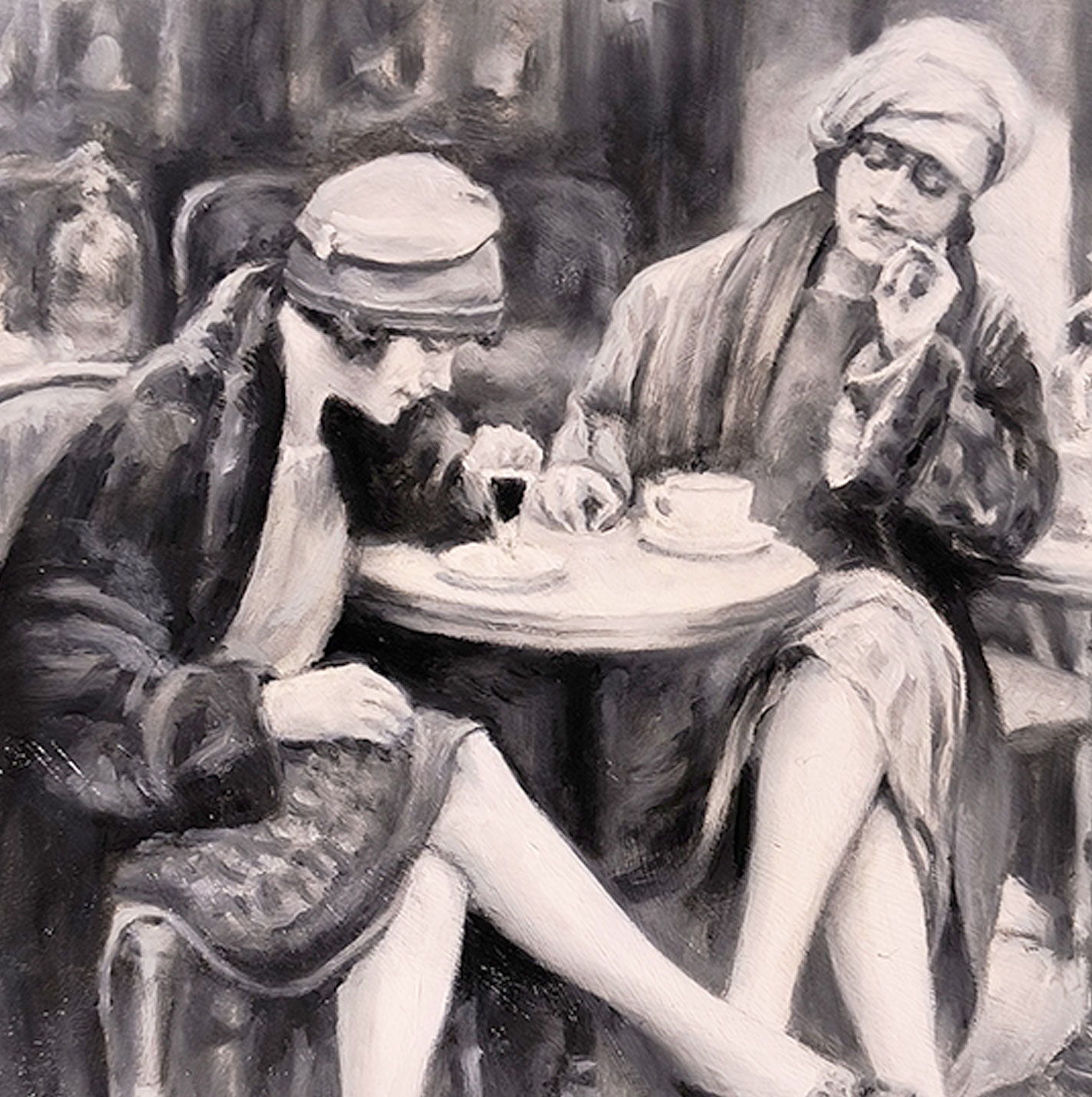
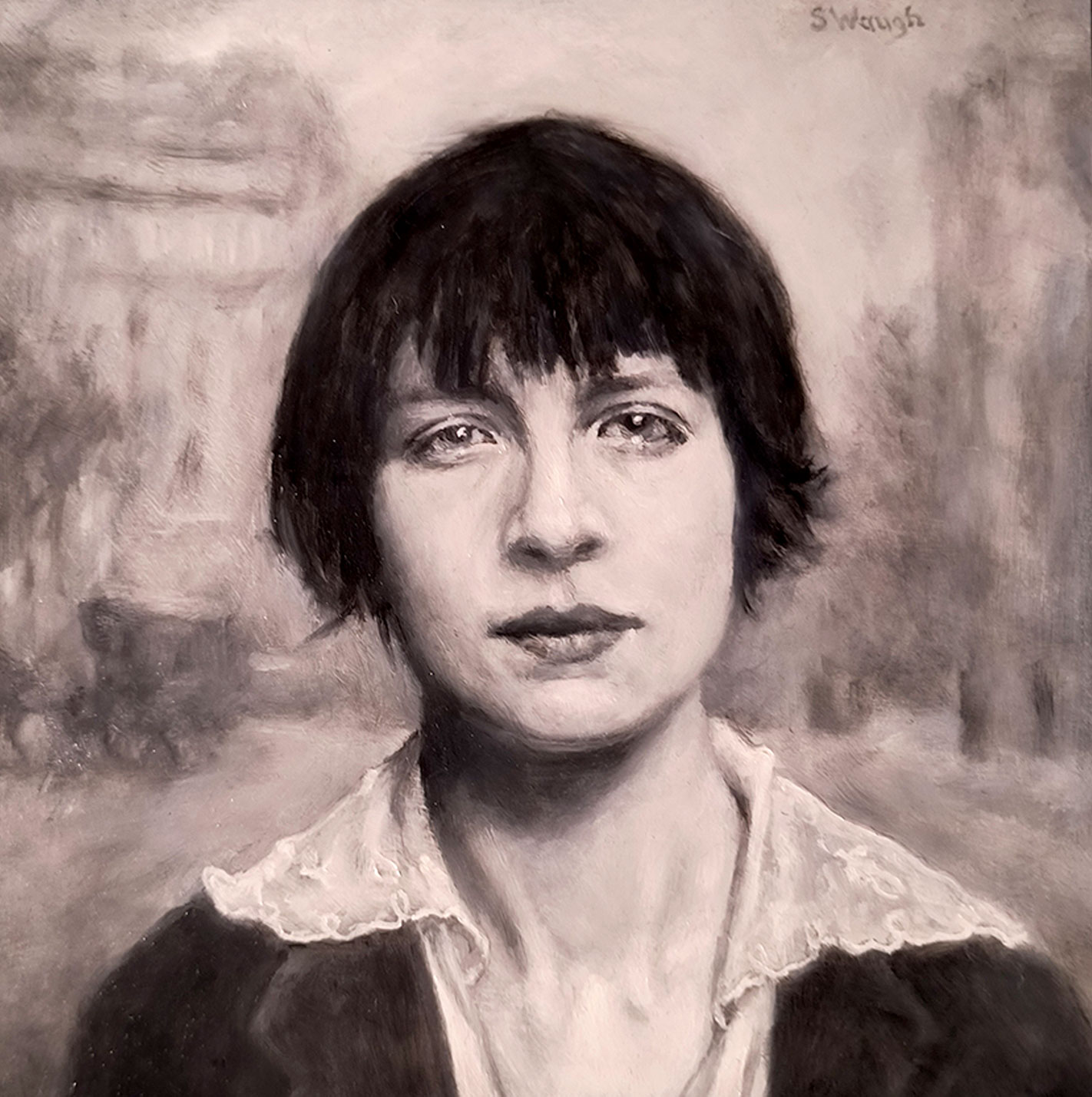
HSHSL’s Weise Gallery is hosting the exhibit “Steven Waugh: Darkness and Light” March 28 – May 15, 2026. Steven Waugh is a self-taught painter from Baltimore whose work has been exhibited at the Corcoran Gallery of Art and the Baltimore Museum of Art. The black and white oil paintings that Waugh creates feature classic cars, objects from nature, and portraits of movie stars from the 1920s. Waugh states, “At times, it feels like color detracts from the reality of the subject in a drawing, painting or photo. There is a depth of richness in the contrast.” Through his attention to contrast and detail, Waugh hopes to capture “a defined moment in time and place.”

The HSHSL will be hosting a reception for “Steven Waugh: Darkness and Light” in May.

Weise Gallery Logo

Black and white painting of a young person in a suit and scarf, in an urban background.
Two women sitting at a cafe table in a black and white painting.
Grayscale portrait of a person with short dark hair against a blurred urban background.

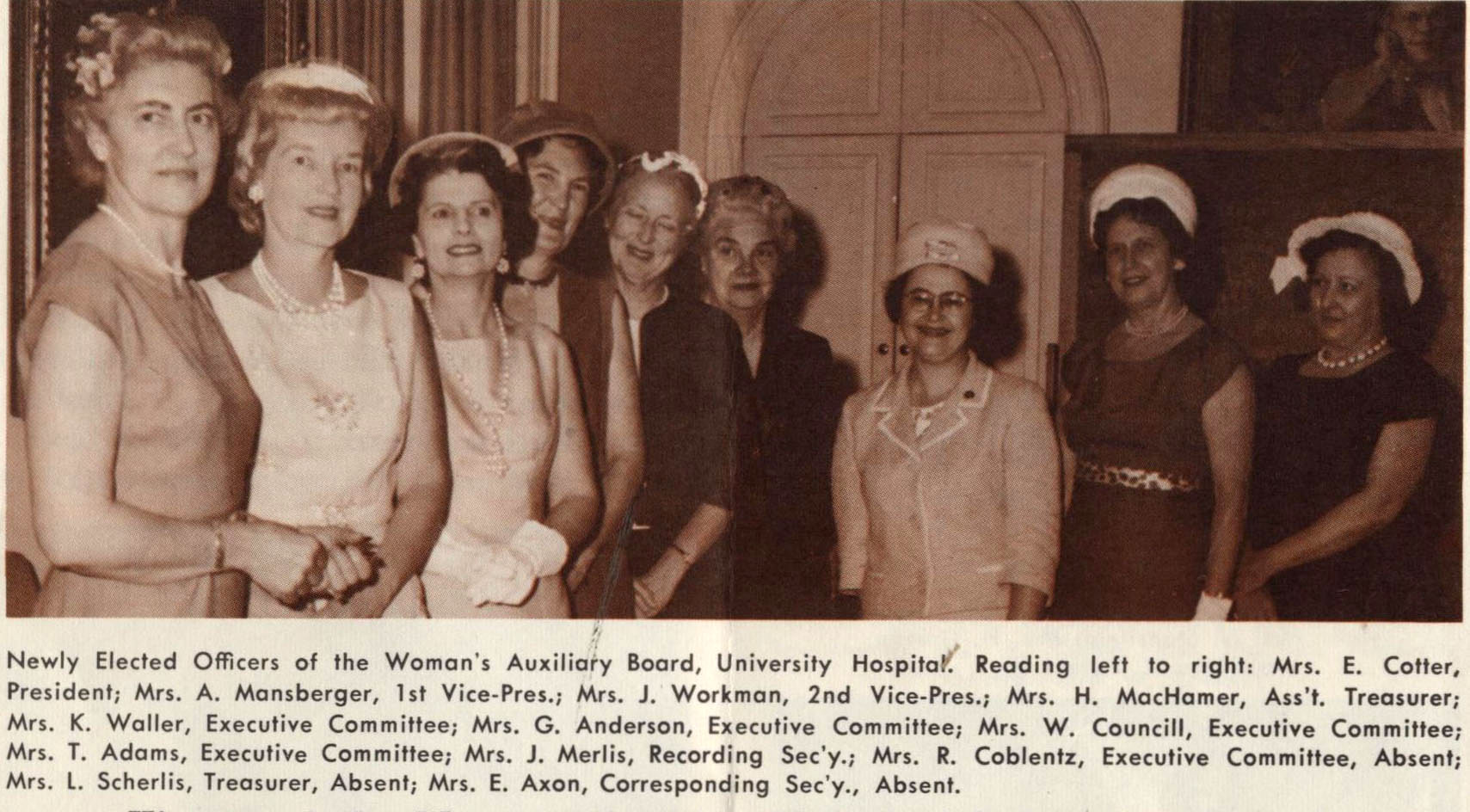
Celebrating Women’s History Month with the Women’s Auxiliary Board of the University of Maryland Hospital

Newspaper clipping of a photograph of newly elected officers of the Woman's Auxiliary Board at University Hospital posing indoors in formal attire, with women standing in a line. The caption lists names and roles, highlighting leadership positions such as president, vice-president, and various committee chairs, indicating a formal group portrait commemorating their election.

Every March, women’s contributions to history are celebrated in the United States. Women’s history at the University of Maryland, Baltimore is complicated as each school began accepting women as students and employing women as educators at different points. The School of Dentistry was the first to graduate a woman, Emilie Foeking, in 1873. In 1889, the University Hospital, predecessor of the UM Medical Center, opened a Training School for Nurses, with the first class graduating in 1892. In 1898, the School of Pharmacy graduated its first woman, Lady Mary Johnson. While women were not attending UMB schools in droves in the first 100 years of its existence, there was a group of women who influenced UMB’s history prior to the turn of the 20th century. That group was the Women’s Auxiliary Board (WAB) of the University Hospital.

The Women’s Auxiliary Board of the University Hospital traces its history back to 1887, when physicians suggested that women volunteers could help with the “domestic administration” of the Lying-In hospital, which at the time was across the street from the main University Hospital and specialized in maternity care. As a result, women started volunteering at the hospital; they cleaned, laundered linens, and oversaw hospital supplies. At a School of Medicine (UMSOM) faculty meeting in 1889, Professor Julian J. Chisolm suggested the women volunteers of the Lying-In hospital be formally organized as the Board of Lady Managers. The Board replaced the Sisters of Charity, a group of nuns who were under contract in the Lying-In hospital until Dec. 15, 1889.

In 1890, the Women’s Auxiliary Board of Lady Managers was officially founded, under the leadership of Miss Susan Williams. The group was composed of Baltimore socialites and doctors’ wives. At the time, being a doctor’s wife was considered a symbol of great status; many girls dreamt of being doctors’ wives. Some girls, raised with this future in mind, learned how to host parties, fundraise, and otherwise prepare for the volunteering commitment typically expected of doctors’ wives. Most of the women of the WAB were unpaid for their contributions to healthcare and the advancement of medicine.

This board was the first hospital auxiliary in the state of Maryland and, perhaps, the country. Initially, the women were tasked with performing the domestic duties of the hospital as well as uplifting the spirits of patients. Almost immediately, however, the board became a major fundraiser for the University Hospital, holding its first benefit concert Dec. 15-17, 1891. Other fundraising events included card parties, luncheons, dinner parties, and dances as well as annual rummage sales and fashion shows. Proceeds from these events supported the purchase of small items like linens, dishware, nightgowns, beds, and electric fans for the comfort of patients, as well as the purchase of large, expensive medical equipment and additions to the building. In the 1920s, the need for a new hospital building was acutely felt and the University president, Dr. A.F. Woods, approached the board to ask for their help in lobbying the Maryland legislature for funds. Through the Board’s help, construction of the new hospital began in 1933. In 1965, the board was able to purchase an audiometer respirator to donate to the University Hospital, and in 1969, the women of the board fundraised and were able to donate $20,000 to the University Hospital to purchase equipment for the new shock trauma unit.

Throughout its history, the group also ran a small lending library (started with 800 books in partnership with the Enoch Pratt Library), a gift shop, and café. In addition to fundraising responsibilities, members of the board were required to pay dues ($2 from 1890 to 1921), to visit patients, and to support the nurses and physicians in the hospital. In 1959, the WAB organized teenagers to work as candy stripers in the hospital; the teens—both boys and girls—helped deliver meals, assisted with patients, and performed basic clerical duties.

Through the efforts of Florence M. Tyson (then organizational president), Grace V. Buckingham, Millicent Gear Edmunds, and Alice B. Matthai, the organization was incorporated in August 1919 as the Woman’s Auxiliary Board of the University Hospital of Maryland, Inc., and received tax exempt status. The name was again changed in November 1975 to The Auxiliary of the University of Maryland Hospital. Membership dwindled in later years, and the organization was ultimately dissolved by Lorraine Fiset in 1999.

When the Board disbanded, its records were transferred to the Historical Collections Department of the Health Sciences and Human Services Library. The collection has since been digitized and is available in the UMB Digital Archive. Additionally, the physical collection has been processed and a finding aid is available online for researchers to understand the provenance and use of the collection.

While the women of the board were not medical professionals, this collection still provides a useful lens for us to understand women’s influence on medicine. The Board, through fundraising and organizational support, influenced the services the University Hospital could provide. This collection, spanning nearly 100 years, helps to fill a void in the history of medicine. For any questions about the collection, please contact Tara Wink, Historical Collections librarian and archivist.


Employee News

Hiring News

Sam Ingram

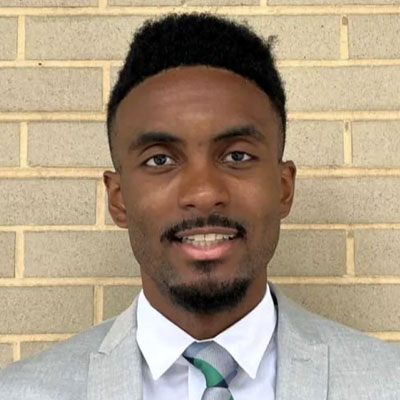
Sam Ingram joined the NNLM Region 1 office in March 2026 as a budget analyst. Sam will be instrumental in the financial operations for Region 1 and NWSO, helping to ensure compliance with University and federal standards. Having worked previously at Johns Hopkins University School of Public Health, he brings strong experience in finance and budgeting, including federally funded projects.

Ruby Maghoney, MLIS

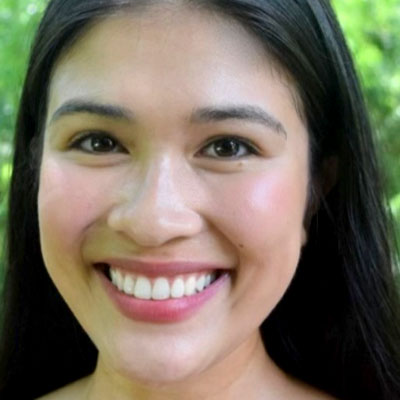
NNLM Region 1 welcomed Ruby Maghoney, MLIS, as a library specialist in December 2025. Ruby will be instrumental in supporting Region 1’s work in outreach, training, and funding. She brings a variety of experience in public service from her previous positions at the Baltimore Museum of Industry, the National Aquarium, and public libraries in Alabama.

Presentations

Dennis Nangle, MLS, participated as a panelist in the session “The Fund(er) Gap: Making Sense of Federal Layoffs and the Impact on University Libraries” at the NISOplus Annual Conference, 2026, Baltimore.

Comments are closed.

The Archives
Subscribe via E-mail

Enter your e-mail address and be notified when a new issue is released!


We currently have email subscribers!