September 2026 – Volume 20 – Number 4

Dean’s Message

Emily Hurst holding blue cotton candy next to a pink cotton candy machine, with a brick building visible through the window.
Alexa Mayo, Interim Associate Vice Provost and Interim Dean, HSHSL

A Fresh Look for the HSHSL First Floor

I am pleased to welcome the campus community back for the fall semester with the Health Sciences and Human Services Library’s refreshed first floor. Visitors will notice new carpeting throughout the space, with new computer workstations coming soon to better support studying, research, and collaboration.

Additional enhancements coming soon will include comfortable one- and two-person lounge seating, a revitalized leisure reading area with improved lighting and modular seating, and a new charging station for personal devices. Painting and updated signage are also planned as part of the ongoing refresh.

Later this fall, the Library will open a new family-friendly study room in Room 111. Available to UMB students, faculty, and staff with young children, the room will provide a dedicated space where caregivers may continue their academic and professional work while accompanied by their children. Information about reservations and availability will be announced soon.

Stop by the HSHSL to check out the refreshed space.  We hope these improvements add to the welcoming, comfortable, and functional environment the HSHSL offers the UMB community.

Annual UMSOP and HSHSL Vaccination Clinic

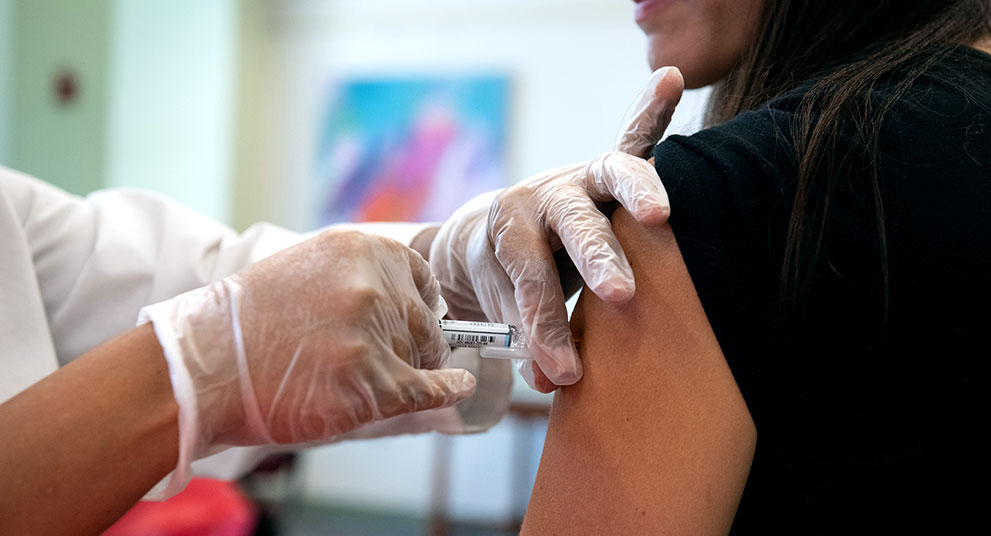
Gloved healthcare worker administering an injection into a person’s upper arm.

It’s time again for the HSHSL and School of Pharmacy Vaccination Clinic.  As always, vaccines are for UMB campus employees and students. The 1-day clinic will be held Thursday, Oct. 8 from 9 a.m. to 5 p.m. in the Collaborative Learning Room on the Lower Level of the HSHSL (Room LL02). Please note the change in location for this year’s clinic.

The clinic will include vaccines for the flu, COVID-19, pneumonia, RSV (ABRYSVO), shingles, and Tdap (tetanus, diphtheria, and pertussis). Participants may sign up for any and all available vaccines needed, but please note that some vaccinations may require a co-pay. Co-pay is by credit card only.

To make sure the clinic has enough vaccinations and for shorter wait times, appointments are strongly encouraged. There will be some walk-up appointments available but we cannot guarantee vaccines without an appointment. Our clinic partner, Safeway, will manage appointments with their vaccine scheduler.

After signing up for an appointment, please look for a confirmation email from Safeway for additional information on what to bring to the appointment and how to reschedule or cancel. The HSHSL cannot access or alter appointment information.

Please bring printed copies of your photo ID and your insurance cards (medical and pharmacy) to your appointment. We look forward to seeing you at the clinic!

Tips for New Students

Three women in white medical coats collaborate at a table, with a smiling woman wearing glasses and a stethoscope in the foreground.

With the fall semester now underway, the HSHSL would like to share some tips to help you get the most out of your time at UMB!

  • Need to study with a group, or just want to have a space to shut out distractions? You can reserve study rooms throughout the second and third floors. No reservations needed for the rest of the library study spaces!
  • Want a fast and easy way to access the full text of articles through the Library? Add the LibKey Nomad extension to your browser. Select University of Maryland, Baltimore as your organization, and then you are good to go!
  • Need help? Our Information Services staff are here for you! Visit in person at the desk on the 1st floor, call 410-706-7995, or use the online chat to get assistance with searching databases, locating items, scanning documents, and more. Go to the Ask Us! page to use the online chat or view answers to frequently asked questions. For more in-depth research help you can schedule a consultation with a librarian. 
  • Want to get your steps in while studying? There are three walking pad desks available towards the back of the first floor, in front of the windows.
  • Need to print something? Printing is available on the first and second floors at 10 cents per page. Instructions are available on our public computing and printing page.
  • Forgot your charger and your electronic device is about to die? Use our second-floor charging station, located near the elevators. These secure lockers contain cords compatible with various devices.

The HSHSL strives to be an inclusive and welcoming environment! Our accessibility resources page describes our physical space, how to get here, available equipment and software, and more. A faith and religious practice space and a lactation room are available on the third floor.

Explore New Data Resources: PolicyMap, Sage Data, and Statista

Announcement for trial access to PolicyMap and Statista, encouraging exploration of new resources and feedback.

The HSHSL is pleased to offer campus-wide trials of PolicyMap, Sage Data, and Statista, three resources that support research, teaching, grant development, community engagement, and data-driven decision-making. All three trials end Sept. 30.

After trying one or more resources, please share your feedback. Your input will help the HSHSL evaluate these resources and determine whether they meet the needs of our campus community.

What are these resources?

PolicyMap is an interactive mapping and data platform that provides access to thousands of demographic, health, socioeconomic, housing, and community indicators. Users can create custom maps, analyze geographic trends, and visualize data from a wide range of trusted sources.

Sage Data is a data discovery and exploration platform that provides access to public-use datasets from government agencies and other trusted sources. Users can search across datasets, create visualizations and cross-tabulations, and download data for further analysis.

Statista is a comprehensive statistics and market research platform that brings together data, reports, forecasts, infographics, and survey results covering business, healthcare, technology, education, public policy, and many other topics.

How to Access:

Each resource is available to use on and off campus.

We encourage faculty, staff, and students to explore these resources and consider how they might support your work.

Still Haven’t Tried Consensus? Now’s the Perfect Time

Consensus Logo

Consensus Pro is available to all UMB faculty, staff, and students through the HSHSL institutional trial. Designed specifically for academic literature searching, Consensus uses AI to help you discover, summarize, and explore peer-reviewed research more efficiently. Recent enhancements make Consensus even more useful: Deep Search can now analyze your saved library and accept attached papers, while Citation Grounding lets you preview the supporting evidence and jump directly to the relevant passage in a paper.

Whether you’re beginning a new research project or preparing a class or grant proposal, Consensus can be a valuable addition to your research toolkit. The trial continues through 2026, and we’d love to hear about your experience. Visit the Library’s Consensus guide to get started and share your feedback after you’ve had a chance to use it.

Jove Logo

JoVE: Your Go-To Resource for Peer-Reviewed Research and Training Videos

Preparing for a new experiment or onboarding a lab member? Skip dense protocols and turn to JoVE, the leading producer of peer-reviewed scientific video content supporting research and training.

Through the HSHSL, you have full access to more than 28,000 videos. Getting started is simple—connect via the library website or log in with your @umaryland.edu email. You can then explore curated playlists for:

Faculty and educators can also receive dedicated support from JoVE’s customer success specialist who can help identify relevant videos, create course-specific playlists, integrate JoVE content into instruction, and support adoption by students and colleagues. For 1:1 demos, embedding support and customized playlists, schedule a quick session with Mariana Muniz from JoVE.

All videos are ADA Title II compliant.

For clear, reproducible, and cutting-edge scientific video content, start with JoVE.

HSHSL Fall Hours

Fall Hours sign above pumpkins, autumn leaves, straw, and an analog clock.

Monday, Aug. 31 Sunday, Dec. 20, 2026

Regular Semester Hours

Monday – Thursday 6 a.m. – 11 p.m.
Friday 6 a.m. – 8 p.m.
Saturday – Sunday 8 a.m. – 8 p.m.


Exceptions to Regular Hours

Thanksgiving Holidays November 25 6 a.m. – 8 p.m.
November 26 – 27 CLOSED

NNLM Upcoming Training Opportunities

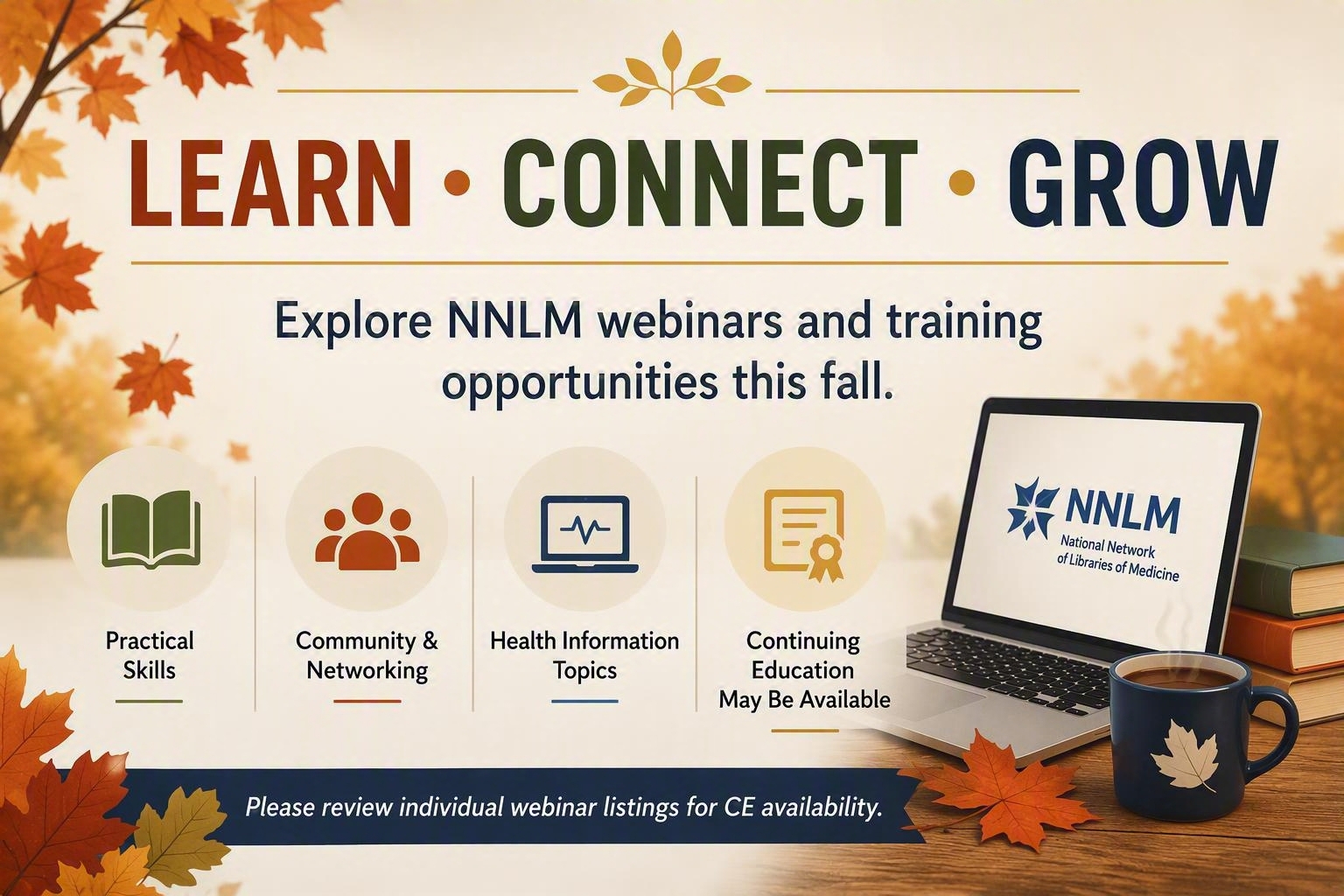
Fall-themed NNLM graphic promoting webinars and training in practical skills, community networking, health information topics, and continuing education.

The Network of the National Library of Medicine (NNLM) is offering a variety of training webinars for fall covering disaster preparedness, health literacy, rural health, and more!

September

October

November

  • Rural Health Webinar Series: NNLM will host various webinars in November to explore communities’ efforts to address the unique needs of rural populations.

Join us this fall for engaging NNLM webinars that support professional growth and may offer continuing education credit. Visit the training calendar to view available CE opportunities.

HSHSL Receives IMLS Grant to Expand Access to Historical Collections

Institute of Museum and Library Services logo with a green dotted starburst beside the organization’s name.

The Health Sciences and Human Services Library has received a $99,953 National Leadership Grant for Libraries from the Institute of Museum and Library Services (IMLS) to support From 1807 to America 250: Preserving and Sharing the History of the Nation’s First Public Medical School. The two-year project will increase public access to materials documenting more than 200 years of health sciences education, research, and practice at the University of Maryland, Baltimore (UMB).

The project team includes Dennis Nangle, Tara Wink, Sarah Weirich, Michael Craven, and Amy Lubinski, whose combined expertise in archives, digital collections, metadata, repositories, web development, and digital accessibility principles will support the preservation and discovery of HSHSL’s historical resources.

Grant funding will support the development of a public access portal using the open-source Islandora platform, bringing together thousands of historical manuscripts, rare books, photographs, theses, and institutional records in a unified digital environment. The project will also explore responsible applications of artificial intelligence to assist with transcription, metadata enhancement, and accessibility while maintaining human oversight and archival standards. This work will draw on the Archival AI Protocol developed by the University of Virginia Library.

The initiative brings together a broad network of collaborators and partners, including the University of Virginia Library, Vanderbilt University, the UMB Medical Alumni Association, the Maryland State Medical Society (MedChi), the Maryland State Archives, and the University of Maryland College Park’s iSchool. In addition to creating new digital exhibits and online access points, the project will provide hands-on learning opportunities for emerging library and archives professionals.

The project reflects HSHSL’s ongoing commitment to preserving the history of the health sciences and making these important collections more accessible to researchers, educators, students, and the broader public.

Coming Soon: Bodies of Knowledge Exhibit

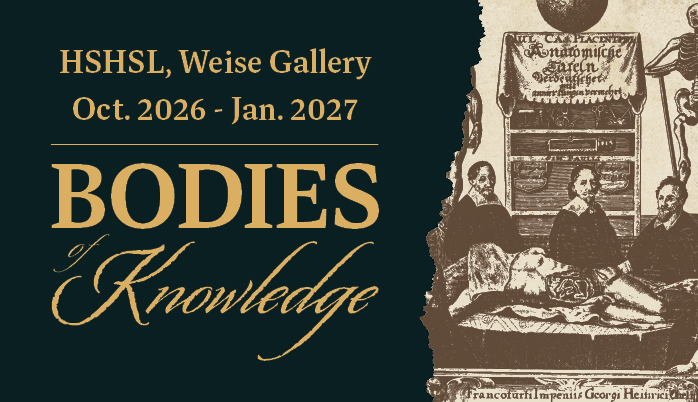
Exhibition graphic for “Bodies Knowledge,” featuring gold text on a dark teal background beside a sepia historical anatomical engraving.

From October 2026 through January 2027, the HSHSL’s Weise Gallery will showcase the exhibit Bodies of Knowledge. The exhibit features a selection of preserved specimens created by the 19th century anatomist Allan Burns, as well as MUMAB (Mummy, University of Maryland at Baltimore), a mummy produced by anatomist Ronald “Ronn” Wade and Egyptologist Bob Brier, Ph.D. The exhibit will explore anatomical education from the 19th century to modern times and feature materials from the HSHSL’s historical collections.

The Burns Collection

In the early 19th century, Scottish anatomist Allan Burns preserved anatomical specimens in a solution of arsenic, salt, and honey, allowing specimens to be used repeatedly for teaching purposes. Following Burns’s death in 1813, his specimens were sold to Granville Sharp Pattison, Burns’s pupil. Pattison came to the United States in 1819 and was named chair of surgery, and later dean, at University of Maryland School of Medicine. Pattison in turn sold the collection to the School of Medicine. The Burns Collection has been touring the world as part of the Mummies of the World exhibit and are now returning to UMB, where they will eventually be exhibited in Davidge Hall.

MUMAB

In 1994, researchers at the University of Maryland School of Medicine and Long Island University undertook an extraordinary experiment: to recreate the ancient Egyptian mummification process using methods described in historical sources. Mummifying a body donor from Maryland, Ronn Wade and Bob Brier followed procedures practiced during the New Kingdom period. Periodically studied via CT scans and MRI, MUMAB has shown no signs of decay. Like the Burns’s specimens, MUMAB has been part of the Mummies of the World exhibit; after the HSHSL exhibit, MUMAB will be returned to the Maryland Anatomical Board.

Event Dates

In conjunction with the exhibit, the HSHSL and Medical Alumni Association will host an exhibit opening on Oct. 28, 2026. Details on the October opening as well as a student trivia event and academic talk will be on the Weise Gallery and HSHSL websites.  Check back for more details on specific exhibit opening and event dates.

Botanical Calendar, Stickers, and Magnets – Oh My!

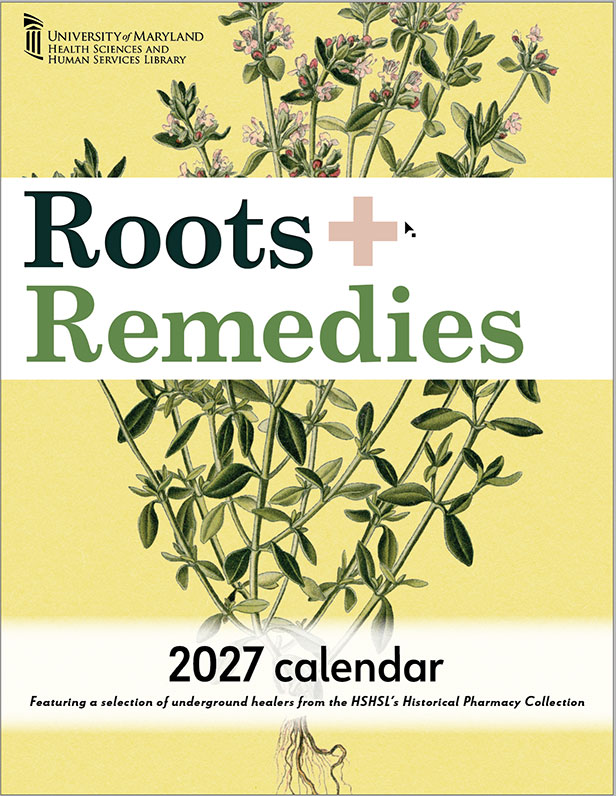
Cover of the 2027 'Roots + Remedies' calendar, featuring illustrated medicinal plants and roots on a yellow background.

Returning for its sixth year, the HSHSL calendar, Roots & Remedies, highlights the subterranean healers in German publisher Franz Köhler’s, Köhler’s Medizinal-Pflanzen (1887-1898). In addition to their stunning blooms and greenery, each botanical in the 2027 calendar has roots that have been used for a variety of medicinal ailments. Calendars will be available later this fall through the HSHSL’s website for $10.

Köhler’s volumes are part of the Pharmacy Historical Collection in the HSHSL’s Historical Collections. They were donated in 1941 by Blanche A. Kach, wife of August Kach, Maryland College of Pharmacy class of 1882.  Köhler’s Medizinal-Pflanzen is known for its vivid chromolithographic plates and scientific detail.

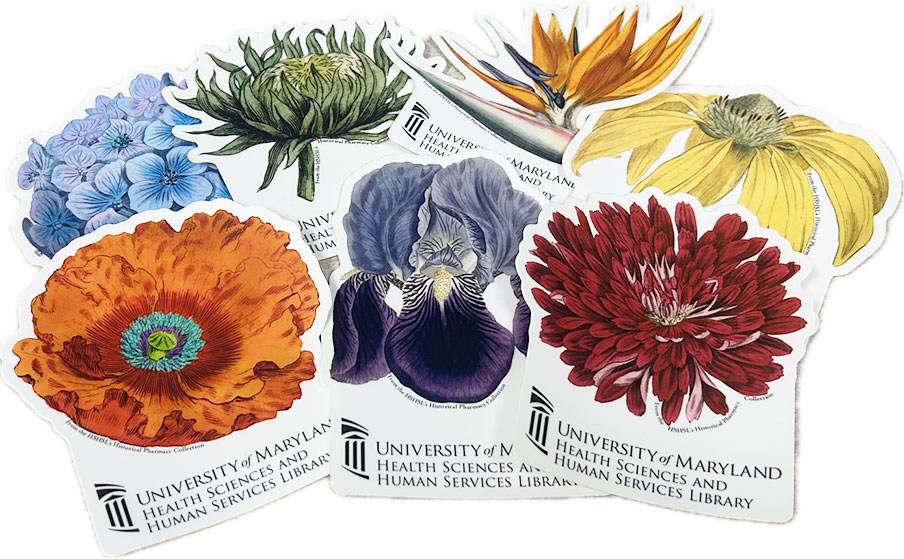
Collage of illustrated flowers on cards labeled University of Maryland Health Sciences and Human Services Library.

In addition to the 2027 Calendar, the HSHSL has added three new botanicals from Historical Collections to its sticker collection, along with two magnets. The new stickers—Chrysanthemum, Sunflower bud, and Iris—complete the rainbow; they come as a set for $5. The new stickers are also part of the complete seven-sticker set, along with the original Black-eyed Susan, Bird of Paradise, Poppy, and Hydrangea stickers, for $10. The stickers, all measuring roughly 4” x 4”, are available for purchase now on the HSHSL’s website.

The magnets, also 4” x 4”, feature our two most popular stickers, Hydrangea and Black-eyed Susan. They are sold as a set for $5 on the HSHSL website.

The calendars, magnets, and stickers make fantastic gifts!

Employee News

Amy Yarnell, MLS, completed a graduate certificate program in Bioinformatics from UMGC.


Presentations, Publications, Posters

Emily F. Gorman, MLS, coauthored the poster “Development and Validation of a Sensitive Search Strategy for Research in Pharmacy Education” presented at the annual meeting of the American Association of Colleges of Pharmacy in Grapevine, Texas.

Gorman and Emilie Ludeman, MSLIS, coauthored the poster “A Scoping Review of Gamification in Pharmacy Education,” also presented at the annual meeting of the American Association of Colleges of Pharmacy in Grapevine, Texas.

Dennis Nangle, MLS, presented “Library Advocacy Through a Funder’s Lens: What Federal Funding Work Taught Me as a New Health Sciences Librarian” and the poster “From Support to Strategy: Libraries in Academic Planning,” coauthored with Emily Hurst, at the Medical Library Association Conference in Milwaukee, Wisconsin.

Nangle also co-presented “Collective Survival After Systemic Disruption” at the virtual ThriveLib 2026 conference.

Sarah Weirich, MLIS, was among the authors of the Research Data Access and Preservation Association’s report “Accessibility for Data and Data Repositories: Understanding and Applying the 2024 ADA Title II Rule” in June 2026.  DOI: 10.31274/isudp.rdap.300.


Hiring News
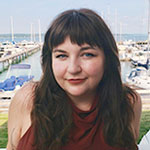
Tara Brooky

Tara Brooky joined HSHSL’s Information Services department as a library specialist. As she learns the role, Tara will be a welcoming and friendly presence at the Information Services desk, helping connect library users with the services and resources they need. She comes to HSHSL from the Baltimore Museum of Art, where she served as a house manager overseeing events and customer and vendor relations. Tara also brings experience in communications writing, planning, and social media and will contribute those skills as a member of the HSHSL communications team.
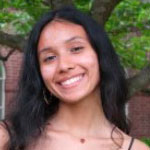
Gabriella (Gabby) Diaz

Gabriella (Gabby) Diaz joined the HSHSL this summer as an oral history intern. Gabby is a Master of Library and Information Science student at the University of Maryland and has served as a teaching assistant, I3R fellow, and UMD Libraries research and teaching fellow. She is working with Tara Wink, Dennis Nangle, and the Oral History Working Group through March as part of the Library’s grant-funded oral history initiative.
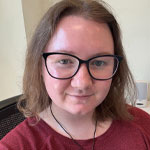
Jordan Heustis, MLIS

Jordan Heustis, MLIS, was named research and education librarian for the School of Graduate Studies (SGS) in the Research and Education Services Department this summer. Jordan originally joined the HSHSL in February 2023 as a library services specialist. She brings a collaborative spirit, creativity, and curiosity to her work, and we are excited to see her apply those strengths in support of the SGS community.
Amy Lubinski, MLIS

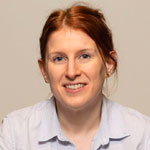
Amy Lubinski, MLIS, accepted the position of metadata librarian in the Repository and Metadata Management Department this summer. Amy joined the HSHSL in January 2025 as digital content specialist and has contributed to a wide range of digitization, metadata, and repository projects. Most recently, she has played an important role in the department’s accessibility efforts, helping improve access to the Library’s digital content.
Ruby Maghoney, MLIS

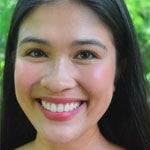
Ruby Maghoney, MLIS, was selected as NNLM outreach and education librarian this summer. Ruby previously served as a NNLM library services specialist. In her new role, she will support outreach, education, and engagement activities across the NNLM Region 1 network, helping connect health information professionals and communities with valuable resources and training opportunities.

Harlee Plummer

Harlee Plummer was welcomed to the HSHSL’s Resources Division as part of Maryland’s Department of Service and Civic Innovation (DSCI) grant-supported service program. Over the next nine months, Harlee will receive specialized training from the Maryland Department of Disabilities through the program’s Accessibility Corps pathway. With this training, she will help the library improve access to our digital content, with a primary focus on materials from the UMB Digital Archive.


Farewell
Tessa Mills

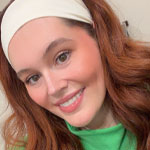
Tessa Mills completed her role as summer historical collections intern in August. Tessa is a Master of Library and Information Science student at the University of Kentucky and previously served as an HSHSL alternative spring break intern in March 2026. Working virtually with Historical Collections since May, she contributed to a variety of projects supporting the Library’s outreach and collections initiatives.

During her internship, Tessa conducted historical research and wrote exhibit labels for the upcoming Bodies of Knowledge exhibit. She also helped draft content for the 2027 HSHSL calendar, Roots and Remedies, authored a blog post on the Dental Illustration Collection, and prepared two additional posts scheduled for publication this fall. In addition, Tessa supported accessibility efforts by enhancing metadata and adding more descriptive alt text to records in the Dental Illustration Collection. We thank Tessa for her many contributions and wish her continued success in her studies and future career.

Comments are closed.

The Archives
Subscribe via E-mail

Enter your e-mail address and be notified when a new issue is released!


We currently have email subscribers!